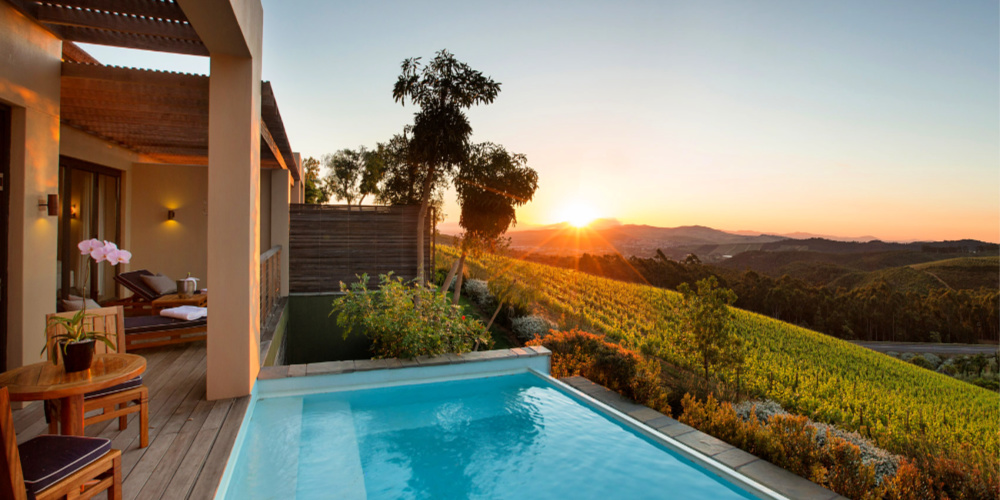
Luxury Vineyard Rooftop Hotels USA: The Definitive Editorial Guide
The American luxury hospitality sector has historically functioned within a horizontal paradigm, where the “vineyard experience” was defined by the sprawling estate and the “rooftop experience” by the urban skyline. However, the emergence of luxury vineyard rooftop hotels usa has disrupted this binary, creating a hybridized asset class that challenges traditional definitions of terroir. This evolution represents a sophisticated synthesis of agricultural production and vertical architectural design. It is a response to a global luxury traveler who no longer sees “nature” and “the city” as mutually exclusive, but rather seeks a compressed experience where high-altitude views and viticultural authenticity coexist within a single structural footprint.
For the discerning traveler or real estate developer, this niche is governed by a set of complex environmental and logistical variables. Growing vines at elevation is an exercise in extreme agriculture, requiring a mastery of wind-shear mitigation, UV-exposure management, and weight-load engineering. When a hotel chooses to crown its structure with a vineyard, it is making a statement about its commitment to “Biophilic Architecture”—the integration of natural systems into human-built environments.
Understanding “luxury vineyard rooftop hotels usa”
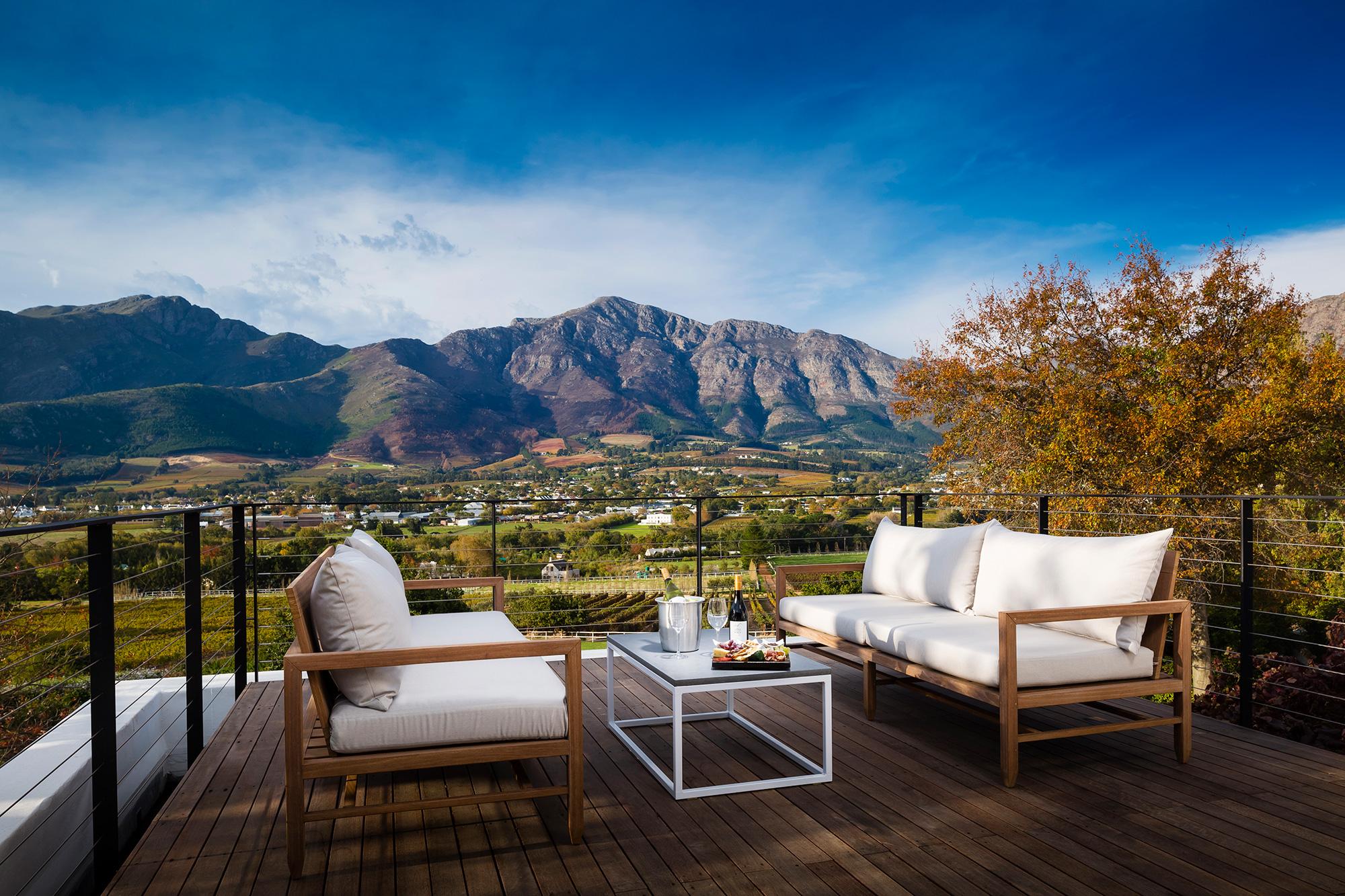
To rigorously define luxury vineyard rooftop hotels usa, one must look past the aesthetic of a glass of wine on a balcony to investigate the “Agricultural Integrity” of the venue. A primary misunderstanding in the travel sector is that any hotel located in a wine region with a roof deck qualifies for this category. In reality, the term refers to properties that have structurally integrated the vineyard into the roof’s architectural DNA. This may involve active “Micro-Vineyards” growing in specialized soil media or “Observation Penthouses” designed to provide a 360-degree topographical analysis of the surrounding estate vines.
Oversimplification frequently occurs when “luxury” is treated as a synonym for “expensive.” In the context of vertical viticulture, luxury is defined by “The Absence of Friction.” It is the ability to move from a high-tech guest suite to a working vineyard in a 30-second elevator ride. This requires a “Dual-Purpose Infrastructure”—elevators that can handle both a five-star guest and a harvest bin, and irrigation systems that keep vines hydrated without compromising the waterproof integrity of the luxury rooms below.
Another critical perspective involves the “Psychology of the Horizon.” On a traditional estate, the guest looks across the vines; on a rooftop, the guest looks down on them. This shift in perspective provides a “Cartographic View” of the land, allowing for a deeper understanding of soil variations and sun exposure patterns. When we evaluate the best examples of this category, we are looking for venues that leverage this verticality to educate the guest, transforming the rooftop from a simple bar into a “Living Lab” of viticultural science.
Contextual Background: The Rise of Vertical Viticulture
The historical trajectory of American wine hospitality began in the 1970s with the “Tasting Room” and evolved into the “Full-Service Resort” of the 1990s. During this era, the roof was a dead space, housing HVAC units and water towers. The shift toward the rooftop began in urban centers like Brooklyn and San Francisco in the early 2010s, where “Urban Winemakers” sought to reclaim the industrial sky.
Today, the movement has matured into a “High-Design Movement.” Architects are now building hotels with the “Vineyard-First” philosophy, where the structure is engineered specifically to support the massive weight of saturated soil and the drainage requirements of active agriculture. This systemic evolution has moved the vineyard from the “Backyard” of the hotel to its “Crown,” reflecting a broader cultural desire to see our food and drink production integrated into our most elite living spaces.
Conceptual Frameworks for High-Altitude Terroir
To analyze these properties with editorial depth, we apply three primary mental models.
The “Atmospheric Terroir” Framework
Traditional terroir focuses on the soil; rooftop terroir focuses on the “Envelope.” At elevation, vines are exposed to higher wind speeds and more intense UV light. This framework evaluates a hotel based on its “Curation of the Elements”—how it uses glass screens or trellising to protect the vines while still allowing them to struggle enough to produce the concentrated sugars necessary for high-end wine.
The “Agri-Luxe” Convergence Model
This assesses the tension between “Agricultural Mess” and “Luxury Precision.” A working vineyard is inherently dirty; it involves mud, bugs, and pruning debris. The most successful luxury vineyard rooftop hotels usa are those that manage this “Operational Blur,” ensuring the guest sees the beauty of the harvest without experiencing the logistical chaos of the crush.
The “Biophilic Shield” Matrix
This evaluates the rooftop vineyard as a functional component of the building’s performance. Vines act as a natural insulator, reducing the hotel’s “Heat Island” effect and lowering cooling costs. In this model, the vineyard is not just an amenity; it is a “Green Skin” that protects the building and the guest, creating a thermal and psychological buffer between the luxury interior and the external environment.
Taxonomy of Vineyard Rooftop Categories and Trade-offs
Navigating the various luxury vineyard rooftop hotels usa requires a categorization based on “Functional Depth.”
| Category | Defining Feature | Primary Benefit | Strategic Trade-off |
| The Active Urban Roof | Soil-based vines in the city. | Novelty; extreme urban contrast. | Limited production volume; high pollution risk. |
| The Estate Observation Deck | 360-degree “View-Only” roof. | Grandeur; total estate immersion. | No physical contact with the vines on-roof. |
| The Hybrid Glass-House | Vines grown in a “Sky-Atrium.” | Year-round access; weather-proof. | Can feel artificial; limited wind-stress for vines. |
| The Canopy Lounge | Vines used as “Living Ceilings.” | High biophilic impact; natural shade. | Requires intense maintenance; “drip” risk from watering. |
| The Private Vineyard Suite | Personal rooftop vines for one room. | Total exclusivity; “Private Farmer” feel. | Extreme per-guest cost; high water-use. |
| The Crush-Pad Roof | Functional harvest equipment on-roof. | Educational value; “Industrial-Chic.” | High noise levels during harvest; industrial smell. |
| Realistic decision logic involves assessing the “Desired Level of Participation.” If the guest wants to prun and pick, the “Active Urban Roof” is the choice. If the guest wants a silent, meditative view of 1,000 acres, the “Estate Observation Deck” is the only rational instrument. |
Detailed Real-World Scenarios in Elevated Management
Scenario A: The “Harvest Logistical Jam”
A luxury hotel in Napa has a rooftop “Crush Pad” integrated into its lounge.
-
The Conflict: The grapes arrive at 6:00 AM, but the guests are trying to sleep in the suites directly below.
-
The Logic: Top-tier venues use “Vibration-Dampened Equipment” and “Acoustic Floors” to separate the industrial work of winemaking from the luxury stay.
-
Failure Mode: A mid-tier venue fails to plan for the “Scent of Fermentation,” which can be overwhelming for guests expecting a floral rooftop experience.
Scenario B: The “Thermal Shock” of the Roof
An urban vineyard hotel in Austin faces a 110-degree heatwave.
-
The Constraint: The concrete roof acts as a radiator, cooking the vine roots from below.
-
The Second-Order Effect: The vines “shut down,” leading to poor fruit quality.
-
Decision Point: Professional “Agri-Luxe” builds incorporate “Cool-Roof Technology” under the soil and automated misting systems to drop the ambient temperature by 15 degrees.
Planning, Cost, and Resource Dynamics
Managing the “Cost of Vertical Terroir” requires a granular look at direct and indirect expenses.
| Item | Traditional Vineyard | Rooftop Vineyard | Variance Logic |
| Infrastructure | $20,000/acre | $200,000/equivalent | Weight-load reinforcement and drainage. |
| Maintenance | $5,000/acre/yr | $50,000/equivalent | Manual labor only; no tractors; crane-access. |
| Water Utility | Low (Groundwater) | High (City Water + Pumping) | Rooftops evaporate water at 3x the rate of valleys. |
| Insurance | Standard Ag | High-Risk Structural | Risk of water leaks into the luxury suites below. |
| Variability in these costs is driven by “Structural Readiness.” A new build designed for vines is significantly cheaper to operate than a retrofit of an existing luxury hotel. |
Tools, Strategies, and Support Systems
To navigate the complexity of luxury vineyard rooftop hotels usa, utilize these strategic levers:
-
Lightweight Growth Media: Replacing heavy soil with expanded shale or volcanic rock to stay within weight limits.
-
Drip-Irrigation Sensors: Using AI-linked sensors that monitor “Evapotranspiration” rates in real-time to prevent over-watering.
-
Gravity-Flow Engineering: Designing the building so the rooftop “Crush” moves juice to the basement “Barrel Room” via gravity, avoiding mechanical pumps.
-
The “Vigneron-Concierge”: Staffing the roof with experts who are dual-certified in hospitality and viticulture.
-
Thermal Imaging Audits: Monthly scans of the roof to identify “Hot Spots” or potential leaks before they damage the luxury interior.
-
Wind-Rated Trellising: Using flexible, high-tension wire systems that move with the wind rather than resisting it, preventing structural fatigue.
Risk Landscape and Failure Modes
-
“The Pest Oasis”: Because a rooftop vineyard is an isolated green spot, it attracts a concentrated population of birds and insects. Without “Invisible Netting,” the crop can be destroyed in a single afternoon.
-
“The Hydrostatic Pressure Trap”: If the rooftop drainage fails, the weight of the water-logged soil can exceed the building’s structural safety factor. This is a “Catastrophic Failure” mode.
-
“The Aesthetic Burnout”: If the vines look sickly due to wind stress, the “Luxury Brand” suffers. A rooftop vineyard must look “Perfect” 100% of the time, which is biologically difficult.
Governance, Maintenance, and Long-Term Adaptation
Rooftop vineyard systems are not static; they are “Adaptive Biological Assets.”
-
Monitoring: Daily checks of soil moisture and leaf health are mandatory.
-
Review Cycles: Annual structural audits to ensure the building is not “Settling” unevenly under the weight of the vineyard.
-
Adjustment Triggers: If vine health drops below a certain threshold, the hotel must be prepared to “Re-Skin” the vineyard—replacing vines and soil media entirely, a process that requires crane access and significant disruption.
Common Misconceptions and Strategic Oversights
-
“The wine is just a gimmick”: False. Many luxury vineyard rooftop hotels usa produce award-winning wines that compete on a global scale.
-
“Any roof can support vines”: A typical roof supports 20 lbs per sq ft; a vineyard needs 150 lbs. retrofitting is rarely viable.
-
“Vines are low-maintenance”: Rooftop vines are “High-Stress Assets” that require 5x more human intervention than ground vines.
-
“The higher the better”: High-rise roofs (50+ floors) often have too much wind for vines to survive. The “Sweet Spot” is 5–15 floors.
-
“The soil is the same as the ground”: Rooftop “Soil” is actually a complex engineered substrate with zero actual “dirt.”
-
“Rain is enough for irrigation”: Rooftops are “Water Deserts.” Even in rainy climates, the wind dries out the soil faster than the rain can replenish it.
Conclusion
The pursuit of luxury vineyard rooftop hotels usa is an exercise in “Vertical Stewardship.” It is about finding the balance between the industrial rigidity of the city and the biological fluidity of the vine. For the guest, it offers a “Refined Terroir”—a way to experience the soul of the wine country from the comfort of the sky. As architecture and agriculture continue to merge, these properties will stand as monuments to our ability to cultivate the horizon.