How to Reduce Rooftop Hotel Dining Expenses: An Editorial Strategy
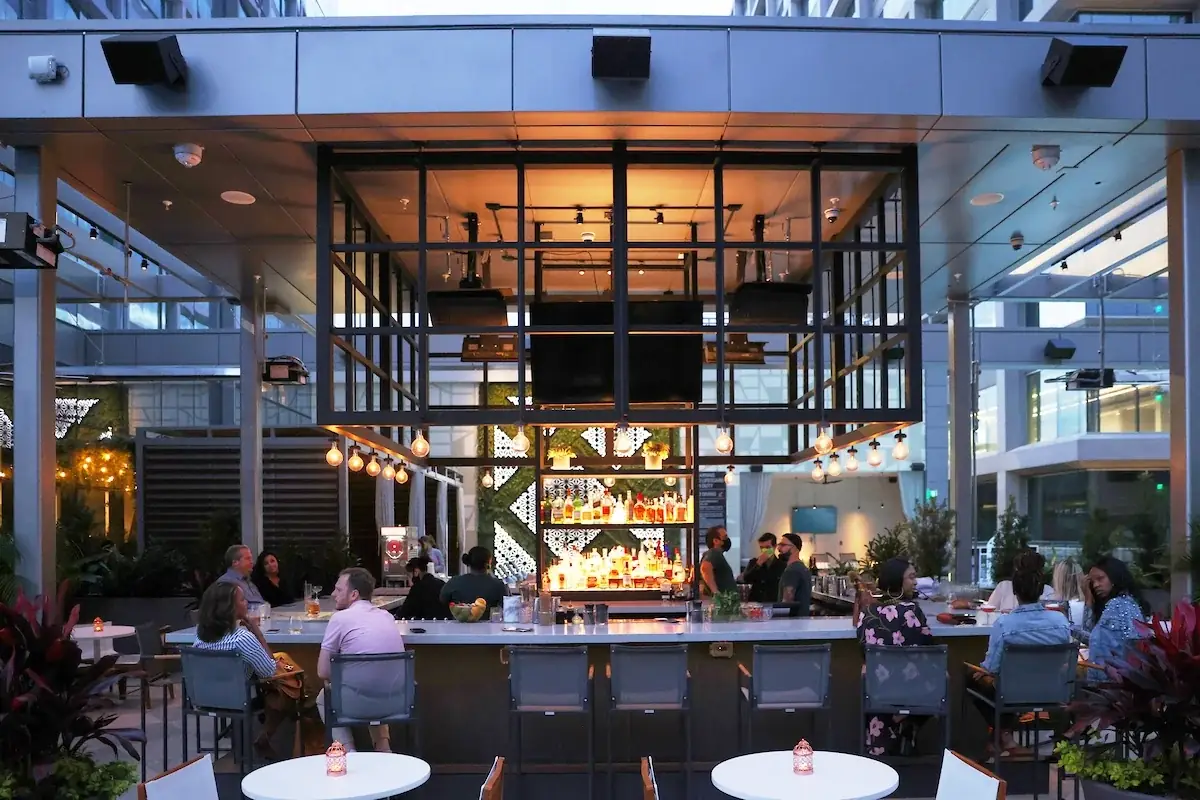
The phenomenon of the rooftop dining experience has become a cornerstone of modern urban hospitality, yet it exists within a unique economic paradox. While these venues often command the highest average checks and the most significant foot traffic in a property, they are simultaneously burdened by extraordinary operational overhead. The “vertical premium”—the inherent cost of transporting labor, inventory, and utilities to the highest point of a building—frequently erodes margins that would be considered robust in a ground-floor establishment.
For the traveler and the corporate event planner, the challenge is similarly bifurcated. The aesthetic value of a high-altitude meal is undeniable, but it is often accompanied by pricing structures that reflect the hotel’s logistical complexity rather than the intrinsic value of the ingredients. Navigating this landscape requires more than just searching for “happy hours”; it demands a structural understanding of how hospitality groups price their “sky-high” assets and where the levers of negotiation actually lie.
This analysis dissects the systemic drivers of high-cost rooftop dining. We will explore the architectural and logistical reasons why a cocktail costs more at thirty stories than it does at three, and provide a rigorous framework for how to reduce rooftop hotel dining expenses without compromising the experiential quality that makes these venues desirable. By understanding the tension between luxury branding and operational reality, one can move from passive consumption to strategic engagement with these premier spaces.
Understanding “how to reduce rooftop hotel dining expenses”
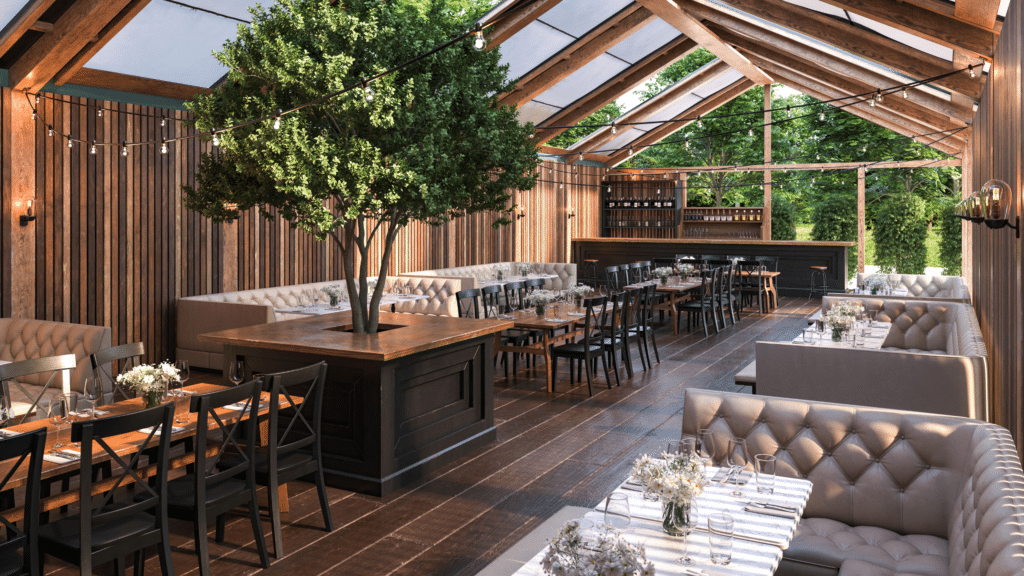
To effectively understand how to reduce rooftop hotel dining expenses, one must first dismantle the myth that rooftop pricing is arbitrary or based purely on “greed.” In reality, these venues operate as high-performance stages. Every seat on a rooftop represents a significant capital investment in structural reinforcement, weatherproofing, and vertical transportation. When a guest seeks to lower their expenditure, they are essentially negotiating against the hotel’s need to recoup these fixed architectural costs.
A common oversimplification in this area is the focus on menu prices alone. True expense reduction involves analyzing the “bundle” of the experience. Is the guest paying for the food, or is the food a “cover charge” for the view? By decoupling the nutritional value from the scenic value, guests can identify which parts of the experience are essential and which are merely high-markup add-ons. For instance, many rooftop venues implement “minimum spend” requirements during peak hours; understanding the threshold of these tiers is the first step in a strategic approach to cost management.
Furthermore, reducing expenses in this context is often a matter of timing and “spatial positioning.” The same menu may carry different financial implications depending on whether it is accessed through a room service credit, a club lounge benefit, or a direct reservation. The definitive approach to managing these costs requires a multi-perspective view that considers the hotel’s occupancy levels, the seasonality of the city, and the specific operational pressures facing the F&B (Food and Beverage) director on any given night.
The Historical Shift from Utility to Visual Commodity
Historically, hotel rooftops were the domain of mechanical engineers, not chefs. In the early 20th century, the “roof garden” was a passive space designed for fresh air in pre-air-conditioning eras. As vertical construction technology advanced, these spaces were rebranded as “commoditized views.” This shift fundamentally changed the pricing model.
In the 1990s and 2000s, the “lifestyle” hotel movement turned the rooftop into a nightclub and dining hybrid. This transition meant that the dining table was no longer just for eating; it was a front-row seat to the city’s skyline. This evolution is critical because it explains why rooftops are resistant to traditional “value” dining models. When the view is the product, the food becomes a secondary, high-margin companion. Understanding this historical trajectory helps guests realize that they are participating in a theatrical event, and pricing their participation accordingly is the key to expense control.
Conceptual Frameworks: The Value-Elevation Matrix
To systematically evaluate rooftop costs, we can apply three primary mental models.
The Dwell-Time-to-Dollar Ratio: Rooftop venues rely on “table turns.” If a guest occupies a prime sunset seat for three hours while only ordering a single appetizer, the hotel loses money on the “opportunity cost” of that seat. Strategic guests can reduce expenses by identifying “low-pressure” time slots where the hotel is less focused on rapid turnover, often leading to more flexible minimum spends.
The “Service Elevator” Inflation Model: This framework accounts for the “hidden” labor costs of rooftop dining. Every plate must travel a complex path from a central kitchen to the roof. By choosing items that require less complex finishing on the roof (e.g., cold plates versus soufflés), guests can sometimes find better value in items that aren’t priced to cover the specialized labor of a rooftop-specific chef de cuisine.
The Aesthetic Arbitrage Model: This involves finding the “near-rooftop” experience. Frequently, a hotel’s mid-level terrace or a high-floor club lounge offers 90% of the view at 50% of the dining cost.
Taxonomy of Expense Reduction: Categories and Trade-offs
When considering how to reduce rooftop hotel dining expenses, the methods generally fall into several operational categories.
| Strategy Category | Primary Method | Trade-off |
| Temporal Shifting | Dining during “shoulder” hours or brunch. | Loss of the “neon/nightlife” atmosphere. |
| Credential Leverage | Utilizing loyalty status or corporate rates. | Requires prior investment in the brand. |
| Tiered Access | Choosing lounge seating over dining tables. | Less ergonomic; restricted menu options. |
| Menu Deconstruction | Focusing on “hero” appetizers over entrees. | May trigger “minimum spend” penalties. |
| Package Integration | Booking “Room + Dining” inclusive rates. | Higher upfront cost; less flexibility. |
The decision logic here depends on the objective. A guest who prioritizes the view might accept a higher beverage price to avoid a full-course meal, whereas a guest seeking a meal might find better value in a pre-theater fixed-price menu that some rooftops offer to fill tables before the 9:00 PM rush.
Real-World Scenarios: Logistics of High-Altitude Saving
In cities like New York or Hong Kong, “sunset” is a premium commodity. A guest who arrives at 5:00 PM for a 6:30 PM sunset may find themselves forced into a high-minimum-spend cocktail lounge.
Decision Point: A more effective strategy is to book a table for 8:00 PM—after the “sunset surge” has ended. The view remains, but the operational pressure on the venue has decreased, often resulting in a more relaxed enforcement of premium pricing tiers.
In a “Day Club” rooftop scenario, the most significant expense is often the “rental” of a cabana or prime poolside table. Failure mode occurs when guests assume these are free with a meal. A strategic second-order effect is to dine at the rooftop’s bar area, which often has no seating fee, and then move to a standing area for the view, effectively bypassing the real estate cost of the table.
Planning, Cost Dynamics, and Opportunity Costs
The cost of a rooftop meal is rarely just the sum of the menu items. It includes the “access cost.”
| Expense Type | Impact | Variable |
| Direct Menu Cost | Visible | Seasonal ingredient pricing. |
| Service Surcharges | 15-25% | Regional labor laws and “view taxes.” |
| Minimum Spends | Variable | Occupancy and day of the week. |
| Opportunity Cost | High | The time spent waiting for a “free” table. |
Reducing expenses requires calculating the “Total Cost of Attendance.” If a hotel offers a $50 credit for a $150 meal, but the hotel room itself is $100 more than a comparable property, the “saving” is an illusion.
Support Systems and Strategic Navigation
To navigate the high costs of these venues, guests can utilize several “support systems.”
-
Concierge Negotiation: A hotel concierge often has the authority to waive covers or minimum spends for in-house guests during off-peak times.
-
Digital Booking Platforms: Apps that specialize in last-minute “empty table” bookings often feature rooftop venues looking to fill gaps.
-
The “Lounge-First” Strategy: Utilizing the hotel’s executive lounge for complimentary hors d’oeuvres before moving to the rooftop for a single, higher-value experience.
Risk Landscape: The Cost of Excessive Frugality
There is a compounding risk in being too focused on reducing expenses in a luxury environment.
-
Diminished Experience: Over-optimization can lead to sitting in “obstructed view” seats or feeling rushed by staff.
-
Reputational Risk: In corporate or social settings, excessive focus on “splits” or “minimums” can undermine the perceived prestige of the event.
-
The “Hidden Fee” Trap: Attempting to bypass a minimum spend by ordering multiple small items can sometimes result in a higher total check than if a single, high-value entrée had been ordered.
Governance and Long-Term Value Maintenance
For frequent travelers, the goal is to develop a “Personal Valuation Framework” for rooftop dining. This involves:
-
Benchmark Tracking: Knowing the average price of a standard cocktail across different “classes” of rooftops in a specific city.
-
Benefit Audits: Regularly checking if a “Gold” or “Platinum” status actually yields a tangible discount at the property’s rooftop venue, as many are managed by third-party vendors and exclude loyalty perks.
-
Feedback Loops: Documenting which venues provided the best “View-to-Value” ratio for future trips.
Common Misconceptions and Strategic Oversights
A primary myth is that “In-house guests always get a discount.” In reality, many rooftops are the most profitable part of the hotel and maintain strict price parity for everyone. Another misconception is that “Lunch is always cheaper.” On a rooftop, the logistical cost of keeping the venue open during the day often means lunch prices are nearly identical to dinner. Finally, many assume that “The further from the edge, the cheaper the table.” While true in some venues, many premium rooftops charge a flat “entrance” or “seat” fee regardless of the specific table location.
Synthesis and Editorial Judgment
The challenge of how to reduce rooftop hotel dining expenses is ultimately a test of one’s ability to navigate the optics of luxury. A rooftop is more than a restaurant; it is an architectural statement and a social theater. Reducing costs in this environment is not about “couponing,” but about understanding the timing and the structural pressures of the hospitality industry. By choosing the right “elevation,” the right “window,” and the right “service tier,” a guest can enjoy the pinnacle of urban hospitality without succumbing to the inefficiencies of the vertical premium.