Best Coastal Rooftop Hotels in the US: An Editorial Strategy
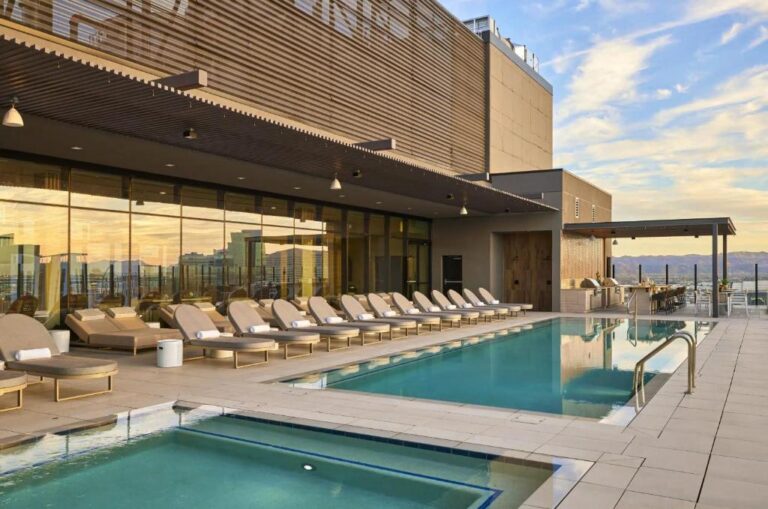
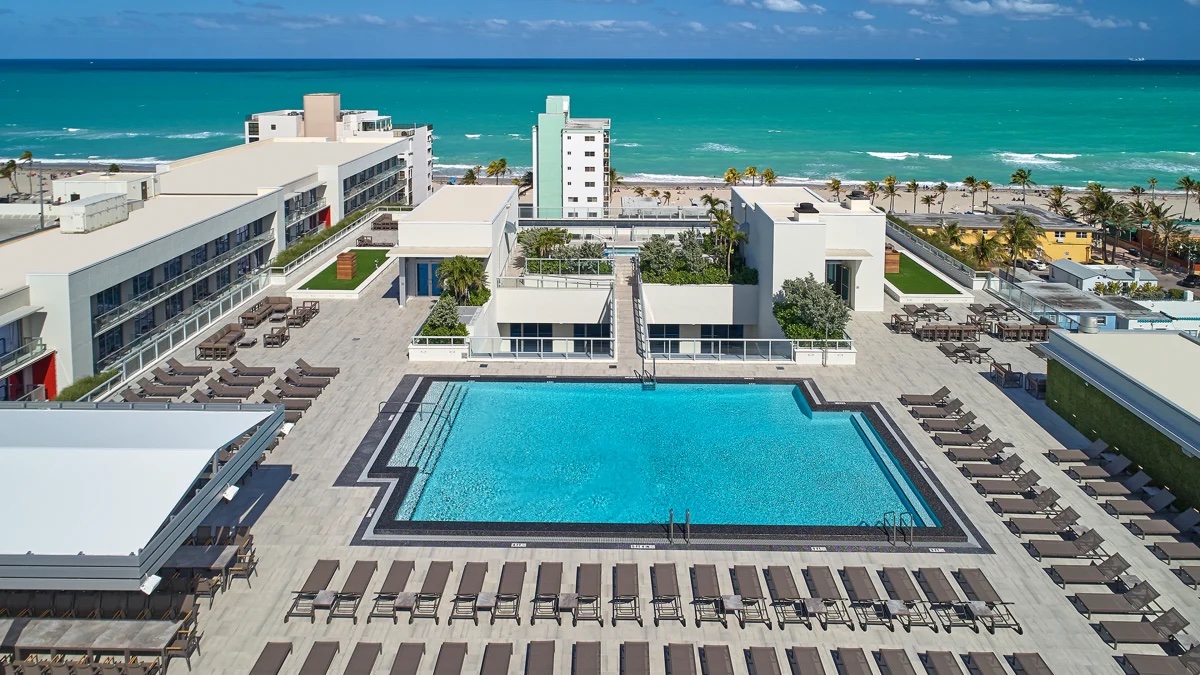
The American coastline has long served as the primary frontier for luxury hospitality, yet the nature of that luxury has undergone a profound structural shift. Traditionally, the “oceanfront” experience was defined by horizontal proximity—direct beach access and ground-level patios. However, as coastal land prices have escalated and architectural engineering has advanced, the premium has moved upward. The rooftop has become the definitive site for maritime engagement, offering a perspective that reconciles the vastness of the Atlantic or Pacific with the controlled environment of a high-end property.
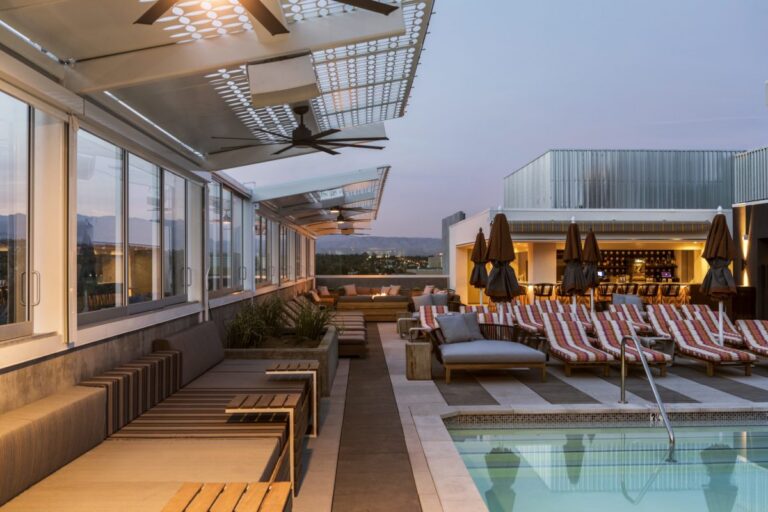
Operating at the intersection of salt air and high altitude introduces a unique set of complexities that ground-level hotels rarely encounter. A coastal rooftop is not merely a social space; it is an environmental interface. It must navigate high-velocity offshore winds, the corrosive effects of saline humidity, and the intense UV exposure of unshielded horizons. For the hotel, the roof is a high-yield asset that serves as both a public-facing brand beacon and a private sanctuary for residents. The tension between these two functions defines the operational reality of the most successful properties in this niche.
This analysis provides a rigorous editorial framework for evaluating the premium coastal hospitality market. By moving beyond promotional imagery, we examine the systemic variables—from architectural “wind-shedding” to seasonal atmospheric shifts—that dictate the quality of an elevated seaside stay. Understanding the best coastal rooftop hotels in the us requires a nuanced appreciation for how a building’s “fifth facade” interacts with the unique physics of the American shoreline.
Understanding “best coastal rooftop hotels in the us”
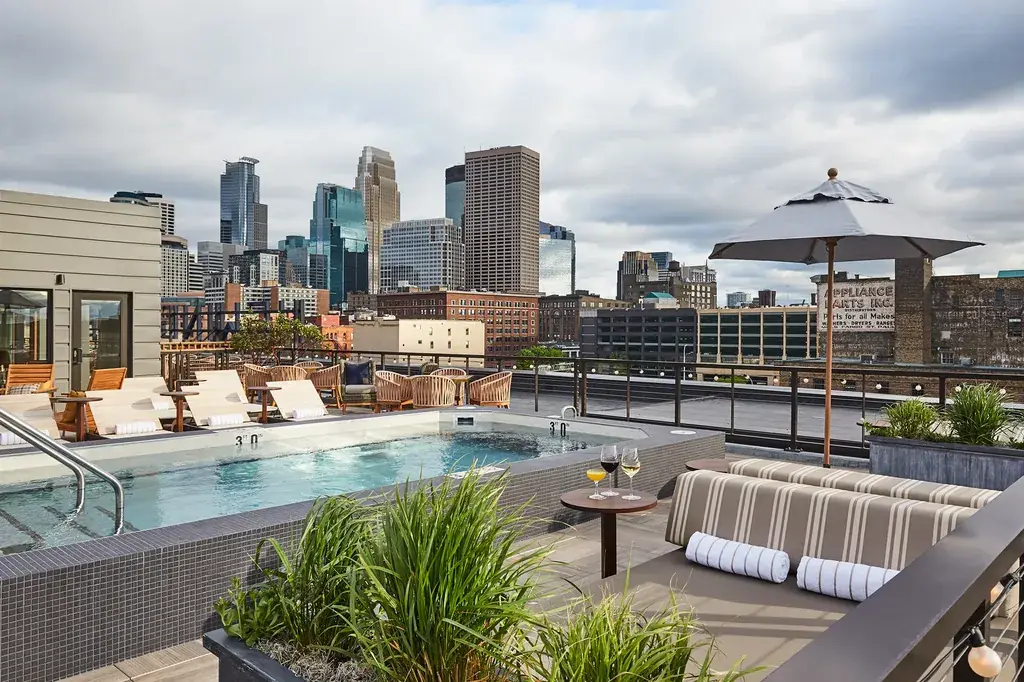
To rigorously evaluate the best coastal rooftop hotels in the us, one must look past the “infinity pool” aesthetic to the underlying operational integrity of the property. A common misunderstanding is the assumption that any rooftop near the water provides a superior experience. In reality, the “best” properties are those that successfully manage the “Acoustic-Atmospheric Paradox.” This is the challenge of providing an open-air experience that feels connected to the ocean but is shielded from the relentless noise of offshore wind and the mechanical hum of high-capacity coastal HVAC systems.
Oversimplification in this sector often involves ranking hotels solely by their height. However, in many coastal American cities—such as Santa Monica or Charleston—strict height limits mean that the most prestigious rooftops are often lower to the ground but more intimately connected to the surf line. A 5th-floor terrace that allows guests to hear the breaking waves and smell the salt spray often provides a more “authentic” maritime experience than a 40th-floor sky deck that feels hermetically sealed from the environment.
Furthermore, the “USA” context requires recognizing that the coastal experience is regionally specific. The Atlantic, Pacific, and Gulf coasts each present distinct logistical challenges. A rooftop in Maine must prioritize seasonal glass enclosures and heat-retention, while a property in Scottsdale (serving as a “coastal-adjacent” luxury hub) or Miami must focus on solar shading and convective cooling. Authority in this domain requires identifying the properties that have been engineered specifically for their unique latitude and longitude.
The Historical Evolution of the Maritime Skyline
The history of the coastal hotel in America is a story of vertical migration. In the early 20th century, grand resorts like those in Atlantic City or Coronado were designed with expansive porches and “promenades” at the sand level. The roof was a utilitarian space, often obscured by ornate gables or reserved for mechanical ventilation. It wasn’t until the mid-century modern movement in Florida and California that architects began to experiment with “sundecks” as a primary amenity.
The 21st-century “Lifestyle Hotel” movement accelerated this trend. As urban coastal centers became more dense, the roof became the only available space for expansion. The development of high-strength, low-iron glass—which can withstand hurricane-force winds while remaining perfectly clear—allowed for the creation of the “transparent horizon” effect that defines modern luxury. Today, the coastal rooftop is the hotel’s most important competitive advantage, often generating more revenue per square foot than the rooms themselves.
Conceptual Frameworks: The Coastal Atmospheric Interface
To analyze these properties, we apply three primary mental models.
The Wind-Shadow Framework: This model evaluates how a building’s architecture creates “micro-climates” on its roof. The best hotels use “setbacks” and glass baffles to ensure that guests can enjoy a drink without the wind knocking over their glassware, even during a stiff offshore breeze.
The Salt-Cycle Depreciation Model: This framework assesses the hotel’s commitment to maintenance. Salt air is an aggressive corrosive agent. A property that doesn’t invest in daily rinsing of glass and specialized coatings for metal fixtures will see its “luxury” feel degrade within 24 months of opening.
The Temporal Sightline Theory: This focuses on the “arc of the sun.” In coastal hospitality, the orientation of the roof (East-facing for Atlantic sunrises vs. West-facing for Pacific sunsets) dictates the operational “prime time” of the venue and the nature of its social programming.
Taxonomy of Coastal Rooftops and Regional Trade-offs
The American coastal market is segmented by geography and architectural intent, each offering different value propositions.
| Region | Primary Architectural Feature | Operational Trade-off |
| Pacific Northwest | Fire-pit clusters; glass conservatories. | High “weather-risk”; views often obscured by fog. |
| Southern California | Minimalist open-air decks; “wellness” pools. | High UV exposure; requires aggressive solar shading. |
| Florida / Gulf Coast | High-capacity bars; hurricane-grade glazing. | Extreme humidity; risk of sudden tropical storms. |
| Northeast Atlantic | Seasonal adaptive spaces; “nautical” masonry. | Limited operational window (May–September). |
| Lowcountry / Georgia | Intimate terraces; historic district context. | Height restrictions; higher insect-control needs. |
The decision logic for a guest involves weighing “Visual Scale” (the height of the view) against “Sensory Proximity” (the ability to feel the ocean).
Detailed Real-World Scenarios in Elevated Seaside Operations
Consider the “Sudden Squall” scenario in Miami. A rooftop pool deck is at capacity when a tropical downpour hits.
Failure Mode: If the hotel lacks an integrated “Indoor-Outdoor” transition, 200 wet guests are forced into a single elevator bank, creating a logistical crisis and a safety hazard.
Success Mode: Properties with “retractable roof” technology or a large, adjacent indoor lounge can transition the crowd seamlessly, maintaining the revenue flow and guest comfort.
Another scenario involves the “Acoustic Shadow” in a bustling California beach town. The rooftop bar is popular with locals, but the guest rooms are directly below.
Decision Point: Does the hotel use “floating floor” technology to dampen the vibration of footsteps and music?
Second-Order Effect: A hotel that fails this structural test will suffer from “Review Decay,” where the high-margin bar revenue is offset by the cost of refunding dissatisfied sleepers.
Planning, Cost, and Resource Dynamics
The “Coastal Premium” is reflected in tiered pricing that often fluctuates with the tide and the season.
| Resource Category | Direct Cost Factor | Opportunity Cost |
| Top-Floor Premium | 20-40% higher room rate. | Closest access to roof; highest noise risk. |
| Rooftop “Daybed” Rental | $150–$1,000+ per day. | Guarantees space; can be cost-prohibitive. |
| Seasonal Surcharges | Peak-summer pricing. | Crowded elevators; longer service wait times. |
| Event Buyouts | High “minimum spend” for privacy. | Closes the best asset to regular guests. |
Strategic planning requires booking “shoulder seasons”—such as late September on the Atlantic coast—when the weather remains stable but the “crowd density” on the rooftop decreases by 30-40%.
Strategies and Support Systems for Property Selection
-
Vertical Logistics Audit: Check the number of elevators. A 200-room hotel with a public rooftop bar needs at least three guest elevators to function without 10-minute wait times.
-
Shadow Mapping: Use satellite views to see if the rooftop pool is shaded by neighboring buildings during the afternoon.
-
Acoustic Inquiry: Specifically ask the front desk: “Does the rooftop bar have a dedicated sub-floor to prevent vibration transfer?”
-
Wind-Break Verification: Look for properties with floor-to-ceiling glass railings, which provide wind protection without sacrificing the “coastal horizon” view.
The Risk Landscape: Failure Modes in Coastal Design
-
The “Corrosion Creep”: When salt air compromises the electronics of outdoor sound systems or elevator sensors, leading to “glitchy” service.
-
Solar Over-Exposure: When a rooftop lacks “passive cooling” (like greenery or misting systems), making it unusable during the 12:00 PM to 3:00 PM window despite the beautiful view.
-
Elevator Hub Saturation: When a popular rooftop bar attracts so many non-guests that residents cannot return to their rooms in a timely manner.
Governance, Maintenance, and Long-Term Adaptation
The best properties implement a “Daily Saline Rinse” protocol for all rooftop surfaces. Governance also involves “Sound Mapping”—using decibel meters to ensure that music levels on the roof do not exceed a specific threshold at the guest-room balconies. Long-term adaptation in the US market now includes “Climate Resiliency” upgrades, such as reinforced drainage systems to handle the increased intensity of coastal storms.
Common Misconceptions and Strategic Oversights
-
“Higher is always better”: A 50th-floor view can feel “detached” and dizzying; a 6th-floor view maintains the connection to the waves.
-
“Infinity pools are always heated”: In coastal California, many pools are unheated, making them unusable for half the year.
-
“The rooftop is private”: Most coastal hotels rely on public bar revenue to survive; “exclusive” often just means “expensive.”
-
“Glass walls stop all wind”: Wind can “whip” over the top of glass barriers, creating a “venturi effect” that is noisier than the open air.
Synthesis and Editorial Judgment
The quest for the best coastal rooftop hotels in the us is ultimately a search for architectural harmony. The roof is the one place where a hotel cannot hide its flaws; the elements are too harsh and the expectations are too high. Silence, wind protection, and salt-air maintenance are the invisible hallmarks of true quality. For the guest, the reward is a perspective that is both expansive and intimate—a way to witness the edge of the continent from a position of absolute tranquility.