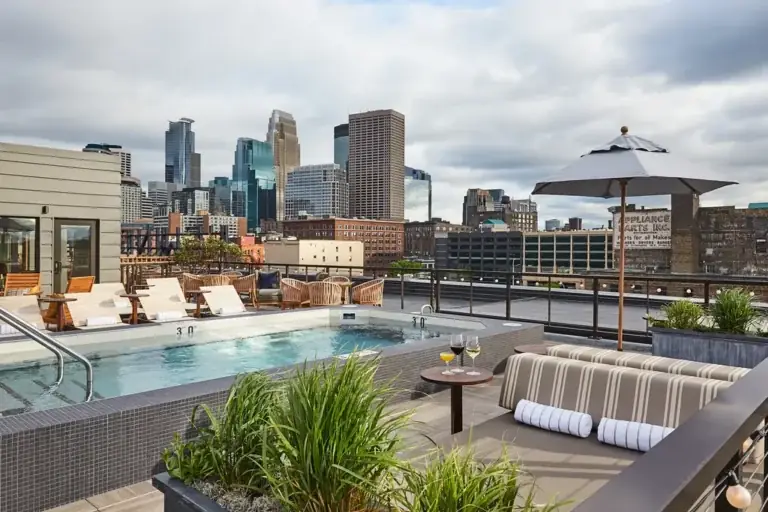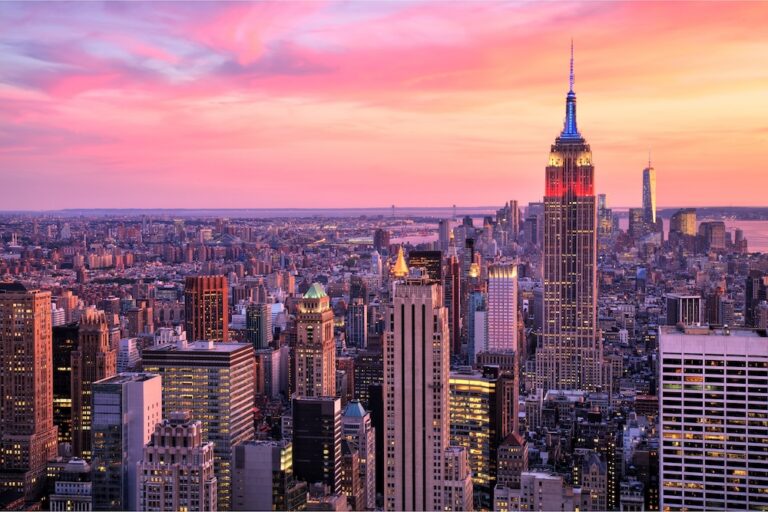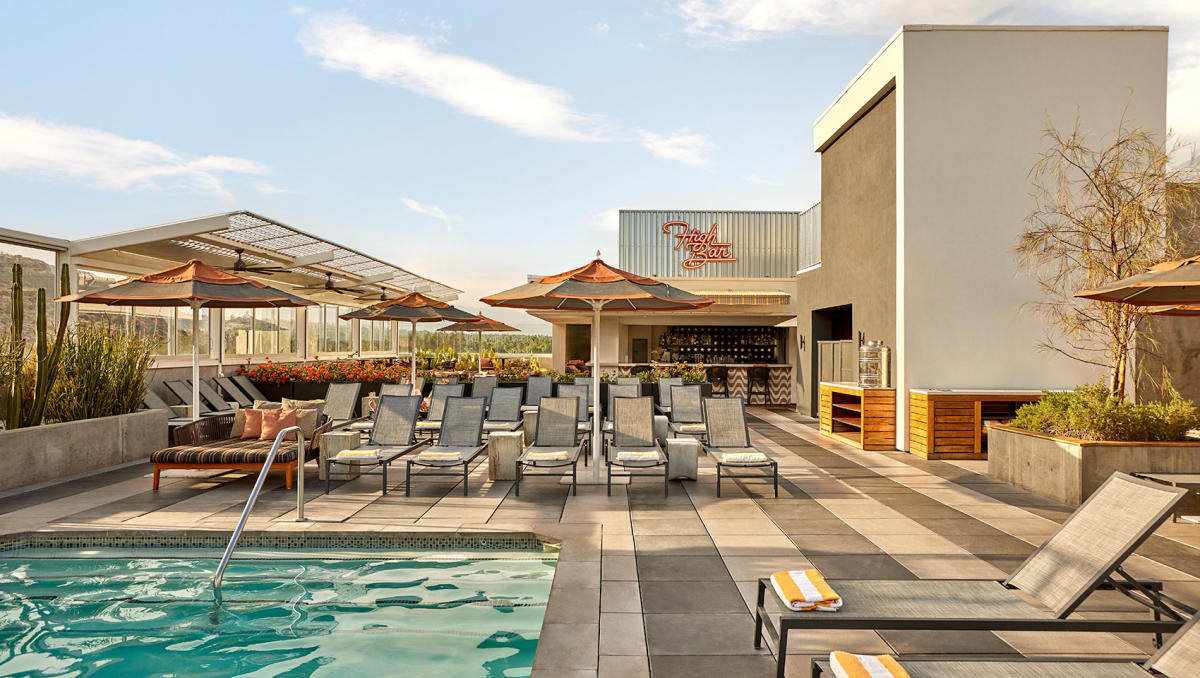
American Rooftop Hotel Lifestyle: A Definitive Editorial Analysis
The concept of the “fifth facade” has undergone a profound transformation within the American urban fabric. Historically, the rooftop of a hotel was a utilitarian wasteland, a site for water towers, HVAC compressors, and elevator overrides. Today, it serves as the primary stage for brand identity and social signaling. This migration of value from the lobby to the sky reflects a broader shift in consumer behavior: the desire for an “unbounded” environment that reconciles the density of the city with the openness of the horizon.
In the United States, this trend is not merely an architectural fashion but a response to the “experience economy.” As traditional luxury markers become increasingly commodified, the unique vantage point offered by a rooftop provides a form of exclusivity that cannot be replicated at ground level. This verticality creates a psychological buffer from the street—a sanctuary of curated light and sound that allows the guest to participate in the city’s energy without being consumed by its friction.
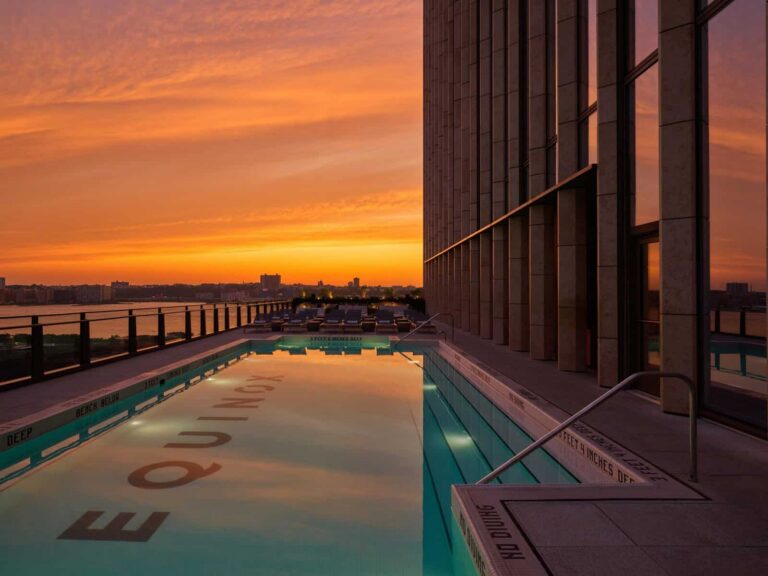
This editorial analysis examines the structural, cultural, and logistical layers that comprise the modern american rooftop hotel lifestyle. It is a world where the physics of construction meet the nuances of social hierarchy, requiring a sophisticated understanding of how high-altitude spaces are engineered, managed, and consumed. We move beyond the surface-level aesthetics of the “infinity pool” to investigate the systemic complexities that allow these elevated environments to function as both commercial assets and cultural symbols.
Understanding “american rooftop hotel lifestyle”
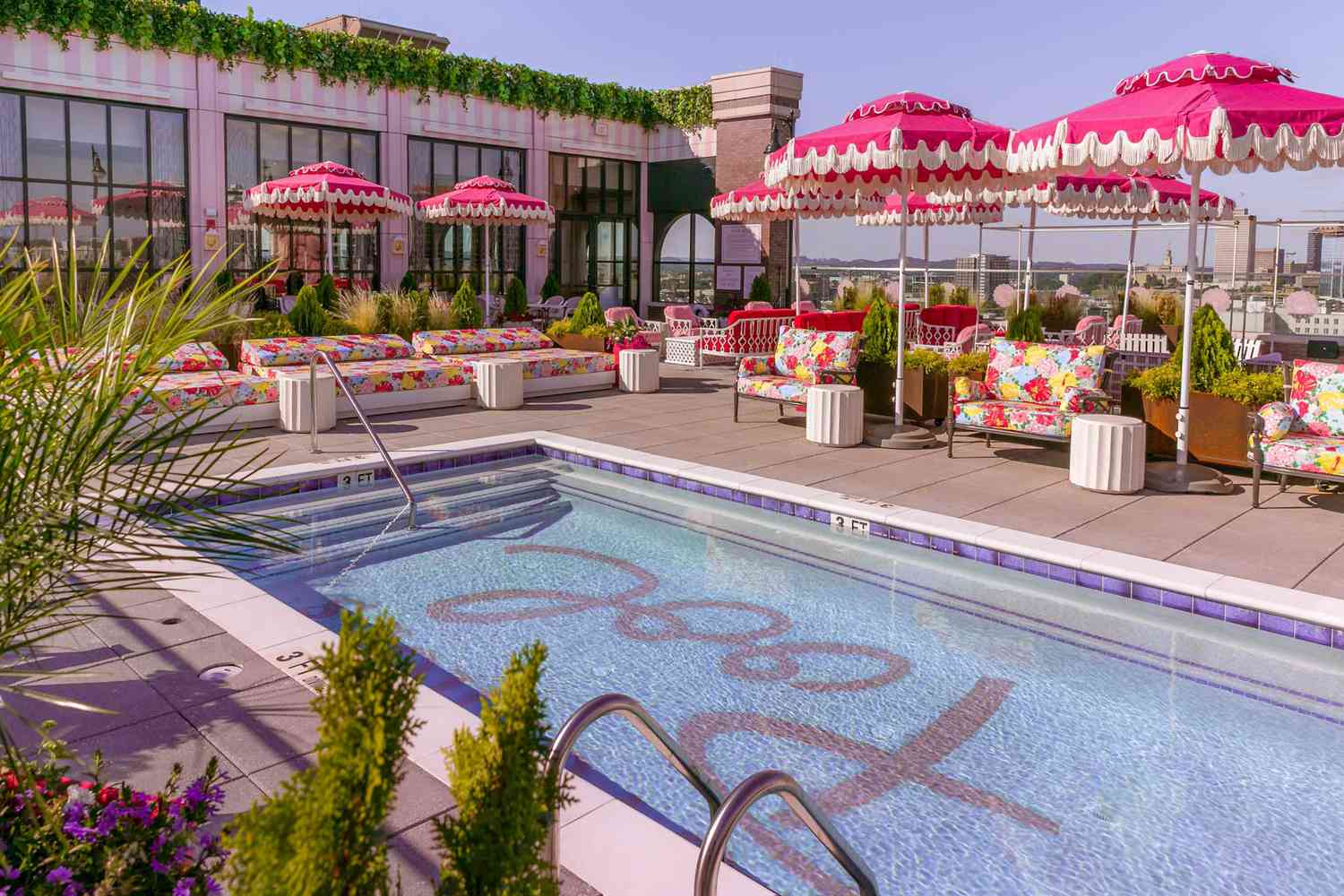
To rigorously define the american rooftop hotel lifestyle, one must acknowledge that it is a multi-dimensional construct involving real estate, psychology, and performance. A common misunderstanding is that this lifestyle is defined solely by the presence of a bar or pool. In reality, it is a comprehensive operational philosophy that prioritizes vertical transit, visual “theatre,” and acoustic curation. The rooftop acts as a gravity-defying social hub that must balance the needs of the overnight resident with the demands of the public visitor.
Oversimplification occurs when analysts treat the rooftop as a standalone feature. Instead, it should be viewed as the apex of a building’s circulatory system. Every design choice—from the speed of the elevator dispatch to the density of the glass railings—impacts the “flow” of the experience. The risk for the consumer is entering these spaces with an expectation of quietude, only to find that the hotel’s revenue model depends on high-volume public access. The “lifestyle” is thus a negotiation between the quiet sanctuary of the guest room below and the vibrant, often chaotic, social stage above.
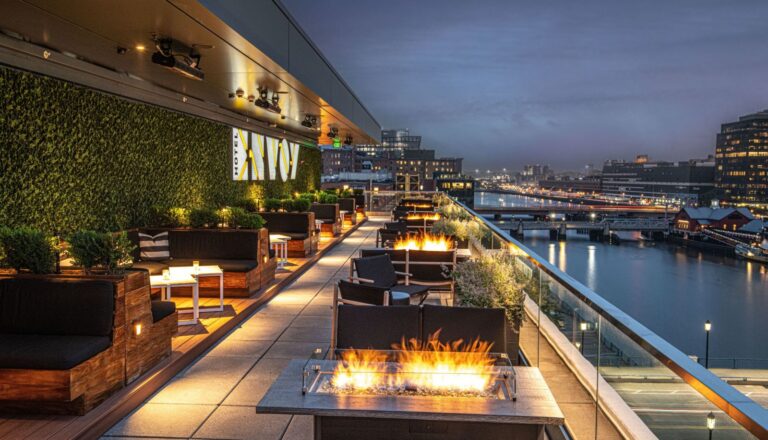
Furthermore, the American iteration of this lifestyle is uniquely influenced by the country’s varied climate zones and municipal regulations. Authority in this domain requires recognizing that a rooftop in a historic district like Charleston faces entirely different governance than a new-build tower in the Hudson Yards of Manhattan. The “lifestyle” is an adaptation to these constraints, manifesting in the “igloos” of New York winters or the “misting systems” of Phoenix summers.
The Historical Evolution of Vertical Leisure
The American rooftop has shifted through several distinct eras. In the late 19th century, the “Roof Garden” was a response to the lack of air conditioning; it was a seasonal necessity for the wealthy to escape the stagnant air of the lower floors. By the 1920s, these spaces became sites of jazz-age performance, as seen in the legendary roof ballrooms of Chicago and San Francisco.
The mid-century era saw a decline in rooftop use as central air conditioning made indoor spaces more comfortable and mechanical equipment became more complex. However, the “Boutique Revolution” of the 1990s, led by figures like Ian Schrager, rediscovered the roof as a site of social exclusivity. This paved the way for the current “Omnipresent Rooftop” era, where even mid-market hotels feel compelled to offer an elevated amenity to remain competitive. This trajectory demonstrates that the roof has evolved from a climatic refuge into a powerful tool for social and economic differentiation.
Conceptual Frameworks for High-Altitude Hospitality
To systematically evaluate these environments, we apply three primary mental models.
The “Liminal Space” Theory: This framework views the rooftop as a transition zone between the private (the room) and the public (the city). The success of the lifestyle depends on how well the hotel manages this “edge,” providing security and comfort without sacrificing the feeling of being “out there.”
The Acoustic Decoupling Model: This is the technical framework for separating the vibration of the social roof from the rest of the hotel. It involves the use of “floating slabs” and spring-mounted sound systems. If this framework fails, the “lifestyle” of the roof destroys the “utility” of the guest room.
The Visual Asset Valuation: This measures the “premium” of the view versus the “cost” of the climb. In the USA, the value of a rooftop is often determined by its “Iconic Density”—how many recognizable landmarks are visible from a single vantage point.
Taxonomy of Rooftop Environments and Regional Trade-offs
The american rooftop hotel lifestyle varies significantly based on regional archetypes and architectural constraints.
| Environment Type | Key Characteristic | Trade-off / Limit |
| The Urban High-Rise | Unmatched scale; 40+ floors. | High wait times for elevators; wind-shear issues. |
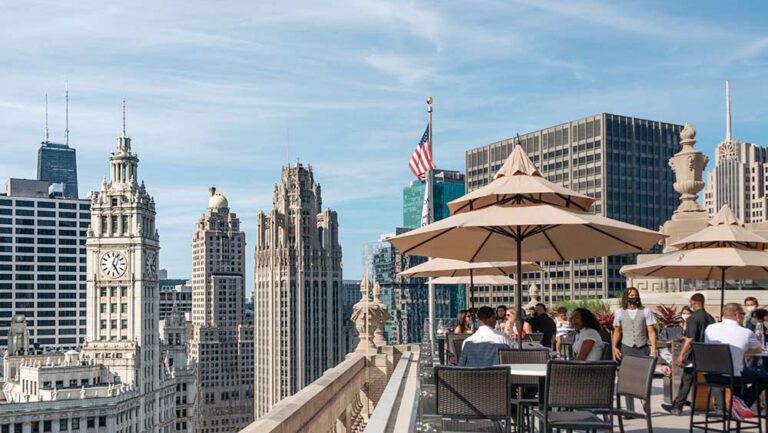
| The Historic Terrace | Masonry detail; intimate feel. | Restricted floor plans; noise-leakage to neighbors. |
| The Coastal Pool Deck | Focus on wellness and sun. | Salt-air corrosion; seasonal weather volatility. |
| The “Podium” Roof | Lower elevation; large floor plate. | Less prestige; closer to street-level sirens. |
| The All-Season Conservatory | Glass enclosures; HVAC control. | Reduced “open-air” feeling; higher energy costs. |
The decision logic for the guest involves a trade-off between “Height Prestige” and “Operational Seamlessness.” The most iconic roofs are often the most difficult to access, requiring a tolerance for “elevator hubs” and public crowds.
Detailed Real-World Scenarios in Vertical Operations
Consider the “Sunset Saturation” in a West Hollywood property. The rooftop is at maximum capacity, and the elevator bank is struggling to keep up.
Failure Mode: If the hotel lacks a “dedicated guest car,” residents trying to return to their rooms become trapped in the public queue.
Second-Order Effect: The brand loses its “private” appeal, and the guest room rate—no matter how high—feels unjustified.
In another scenario, a Denver hotel operates a year-round rooftop bar. An unexpected “Spring Blizzard” hits during a Saturday night.
Success Mode: The property utilizes “passive snow-melt” floor systems and automated retractable glass. The “lifestyle” continues undisturbed, turning a weather event into a unique “theatre” for the guests.
Planning, Cost, and Resource Dynamics
The economic reality of the rooftop lifestyle involves significant direct and indirect costs.
| Expense Category | Range (Premium %) | Variability Factor |
| Room Rate Premium | 15% – 50% | Proximity to roof floors. |
| Beverage/Service Markup | 25% – 100% | Exclusivity of the “View-Access.” |
| Logistical Time-Tax | 5 – 20 Minutes | Elevator dispatch efficiency. |
| Maintenance Surcharge | Hidden in rate | Coastal vs. Urban (corrosion/cleaning). |
Opportunity cost is a major factor here. A guest might choose a hotel for its rooftop but spend three hours of their stay waiting for elevators or bar service, a “resource drain” that is rarely accounted for in the initial booking.
Strategies and Support Systems for the Elevated Guest
To navigate the american rooftop hotel lifestyle effectively, one must utilize specific strategies:
-
Vertical Logistics Audit: Check if the hotel has a “separate entrance” for public rooftop visitors.
-
The “Shadow” Map Check: Use satellite imagery to ensure the rooftop pool isn’t shaded by adjacent towers during peak sun hours.
-
Acoustic Buffer Selection: Request rooms at least three floors below the rooftop to avoid mechanical resonance.
-
Off-Peak Access: Utilizing the rooftop during the 8:00 AM – 11:00 AM window for a private “sanctuary” experience before the public crowds arrive.
Risk Landscape and Compounding Failure Modes
The risks of vertical hospitality are often compounding.
-
Safety Saturation: High-occupancy roofs create massive fire-egress challenges.
-
Mechanical Resonance: Subwoofers placed directly on a concrete slab can vibrate a building’s frame, creating a “low-end hum” that persists even after the music is turned down.
-
Security Osmosis: When public visitors find ways to exit the rooftop through guest-only stairwells, compromising the safety of the entire residential wing.
Governance, Maintenance, and Long-Term Adaptation
A resilient rooftop operation requires strict governance. This includes:
-
Decibel Limiting: Hardware-locked limits on sound systems.
-
Elevator Logic Review: Monthly audits of “dispatch times” during peak hours.
-
Furniture Lifecycle Management: Replacing light-weight metal chairs with heavy, rubber-footed pieces to prevent “scraping” noises.
-
Climatic Review: Adjusting the “greenery” and “wind-breaks” as seasonal patterns shift, ensuring the roof remains usable in extreme conditions.
Measurement, Tracking, and Evaluation
How does a property know if its rooftop is succeeding?
-
Leading Indicators: Elevator wait-time metrics; “social media mentions” per guest-night.
-
Lagging Indicators: Negative reviews mentioning “vibration” or “crowding”; long-term wear-and-tear on top-floor elevators.
-
Qualitative Signals: The ratio of “residents” to “outside visitors” in the rooftop lounge during sunset hours.
Common Misconceptions and Strategic Oversights
-
“Higher is always better”: In many cities, the 10th floor offers a more engaging “street-life” view than the 60th floor.
-
“Rooftops are only for summer”: The best American properties have mastered the “winterized” roof, which often provides a higher level of intimacy.
-
“Infinity pools are private”: Most urban rooftop pools are surrounded by bar tables; the “lifestyle” is more fishbowl than sanctuary.
-
“Modern buildings are quieter”: Steel-frame skyscrapers are often more resonant than the thick masonry of pre-war hotels.
Synthesis and Editorial Judgment
The american rooftop hotel lifestyle is a testament to the human desire for perspective. It represents the ultimate luxury: the ability to look down upon the complexity of the city while remaining comfortably detached from its demands. However, this lifestyle is a fragile construct, dependent on a thousand invisible engineering and operational choices. The definitive rooftop experience is not found in the most famous view, but in the most seamless transition—where the guest can move from the privacy of their room to the spectacle of the sky without feeling the friction of the machine that carries them there. In the final analysis, the rooftop is not just a place to see; it is a way to be.