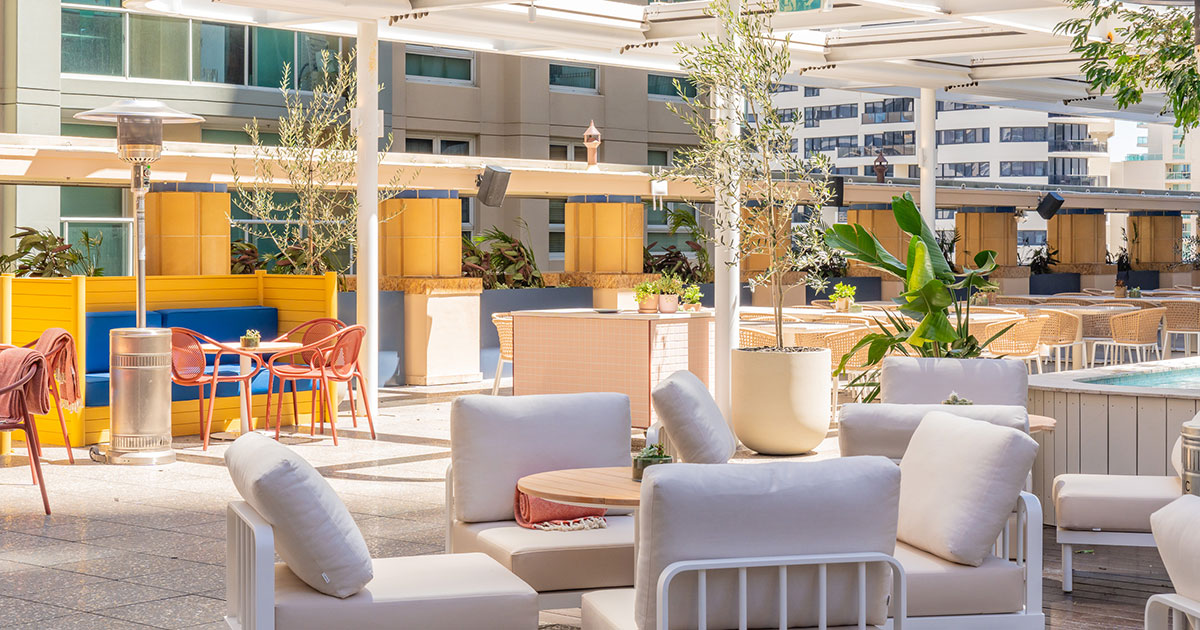
How to Manage Rooftop Hotel Crowd Control: A Definitive Editorial Guide
The modern hotel rooftop has transitioned from a niche architectural feature into a high-stakes operational theater. In the current hospitality landscape, the summit of a building often generates more revenue per square foot than the lobby or the guest rooms themselves. However, this economic windfall creates a unique set of logistical pressures: the “Vertical Bottleneck.” Unlike ground-floor venues that benefit from multiple egress points and sidewalk spillover, the rooftop is a closed system, physically constrained by the capacity of its elevators and the load-bearing limits of its floor plate.
Understanding the mechanics of density in these spaces requires looking beyond the simple counting of heads. It involves a sophisticated orchestration of human psychology, spatial geometry, and life-safety regulations. When a rooftop reaches its saturation point, the guest experience does not merely degrade; it can trigger a systemic collapse of service quality and safety protocols. Effective management is therefore not about exclusion, but about the “Engineering of Flow”—ensuring that the transition from the street to the sky remains fluid and predictable.
This editorial analysis provides a definitive framework for hospitality professionals and urban planners. We move past the superficial deployment of velvet ropes to investigate the systemic complexities that dictate how a space breathes. From the “Atmospheric Pressure” of an overcrowded terrace to the “Vertical Logistics” of emergency evacuation, we examine the variables that determine whether a rooftop remains a premium asset or becomes a liability.
Understanding “how to manage rooftop hotel crowd control”
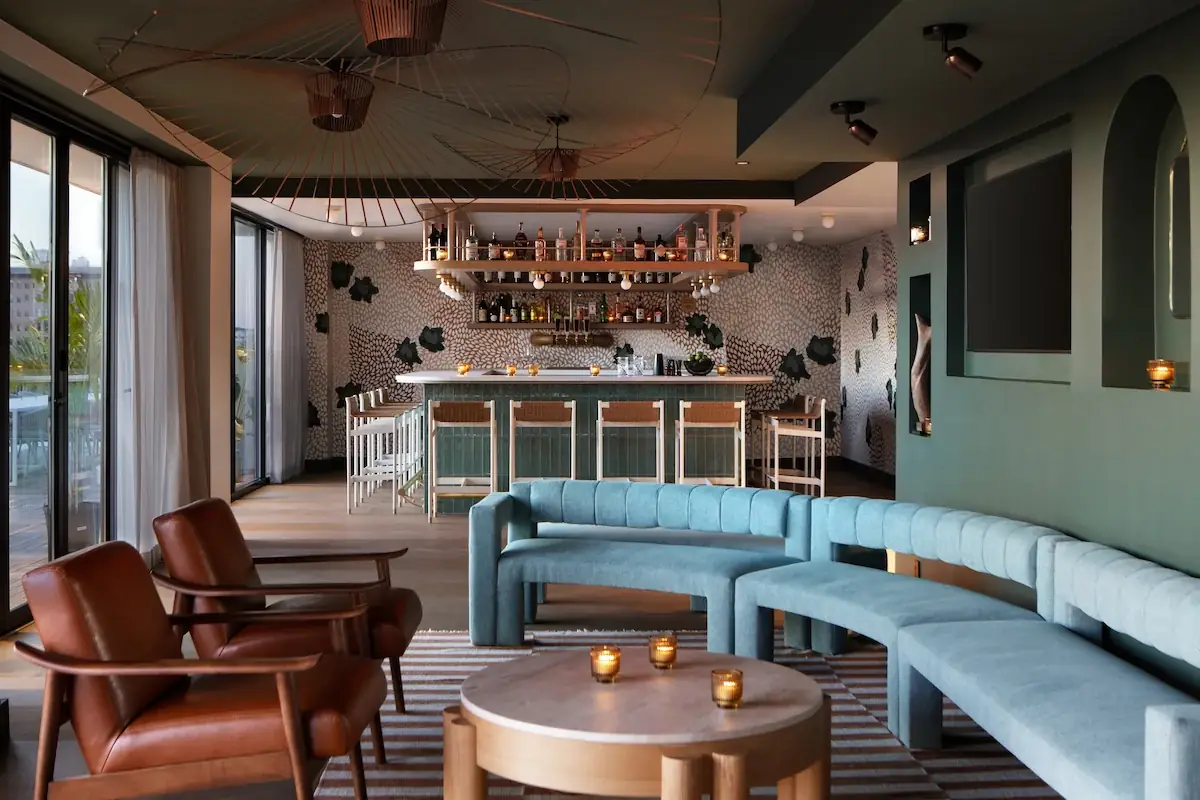
To rigorously define how to manage rooftop hotel crowd control, one must first dismantle the misconception that crowd management is a reactive function performed by security personnel. In high-performance hospitality, crowd control is a proactive design discipline. It begins with “Occupancy Intelligence”—the ability to differentiate between “Nominal Capacity” (what the fire marshal allows) and “Experiential Capacity” (the density at which a guest still feels they are receiving premium service).
Oversimplification occurs when management relies solely on a “one-in, one-out” policy at the elevator bank. This ignores the “Stagnation Zones” that occur around bars, heaters, or specific “Instagrammable” vistas. True mastery of this domain involves manipulating the environment to encourage natural movement. For instance, the placement of lighting and furniture can subtly nudge guests away from congested pinch points toward underutilized corners of the terrace, effectively increasing the usable capacity without adding square footage.
The risk of poor management is twofold: a loss of “Atmospheric Sovereignty” for the guest and a breach of “Regulatory Compliance” for the operator. In a rooftop setting, a crowd is not just a group of people; it is a dynamic load that affects the building’s infrastructure. Identifying the best methods for control involves assessing how a property manages its “Elasticity”—its ability to accommodate a surge during a sunset or a celebrity appearance without compromising the safety of the vertical supply chain.
The Systemic Evolution of Vertical Hospitality
The history of the rooftop is a story of transition from utilitarian “mechanical penthouses” to “social hubs.” In the mid-20th century, rooftops were largely the domain of HVAC units and water tanks. The shift toward leisure began in the late 1990s, but early crowd management was primitive, often involving little more than a doorman and a clipboard.
Today, the “Smart Roof” era has arrived. With the integration of IoT sensors, real-time heat maps, and digital reservation systems, management has become data-driven. This evolution reflects a broader urban trend: as cities become denser at the street level, the “upward migration” of social life has forced hospitality brands to develop sophisticated protocols that mirror airport security or stadium logistics, adapted for the intimacy of a luxury hotel.
Conceptual Frameworks for Density Management
To analyze crowd control with editorial depth, we apply three primary mental models.
The “Vertical Sluice” Model
This framework views the elevator system as a sluice gate. If the “flow rate” at the bottom exceeds the “evacuation rate” at the top, the system enters a state of turbulence. Management must synchronize the elevator cycle with the average “dwell time” of the guest to prevent platform overcrowding.
The “Aesthetic Friction” Theory
This model suggests that movement can be governed through sensory cues. Bright lights, higher-tempo music, or the removal of standing tables create “friction” that encourages guests to circulate or exit, while soft lighting and plush seating “anchor” them in place.
The “Psychological Buffer” Framework
Crowd control is as much about the perception of space as the space itself. By using mirrors, staggered floor heights, and varying plant densities, management can create “visual privacy,” making a crowded space feel significantly more expansive and less claustrophobic.
Key Categories of Flow Control Systems
Managing a rooftop requires a multi-layered approach, often categorized by the level of technical integration.
Decision logic involves weighing “Operational Control” against “Guest Freedom.”
Detailed Real-World Scenarios in Crowd Dynamics
Consider the “Sunset Surge” in a Manhattan high-rise. If 150 people attempt to reach the roof simultaneously between 7:30 PM and 8:00 PM, the elevator lobby becomes a site of “Social Frustration.”
-
Success Mode: The hotel utilizes a “Digital Queue” where guests receive a text notification when it is their turn to ascend, allowing them to wait in the lobby bar—monetizing the wait time and clearing the hallway.
-
Failure Mode: A physical line forms in the lobby, blocking the path to the elevators and the front desk, degrading the experience for staying guests who aren’t even visiting the rooftop.
In another scenario, consider a sudden “Weather Pivot” (a rain squall).
-
Success Mode: The rooftop features a “Retractable Perimeter” that allows the crowd to remain on the roof in an enclosed space, preventing a panicked, simultaneous rush for the elevators.
-
Failure Mode: The roof is entirely open, forcing 300 people to converge on two elevator doors at once, creating a hazardous crush.
Planning, Cost, and Resource Dynamics
The economic reality of crowd control involves significant investment in both technology and human capital.
Strategic planning requires calculating the “Cost of Congestion.” If overcrowding leads to a 20% drop in drink orders due to bar wait times, the investment in flow management pays for itself in a single season.
Tools, Strategies, and Support Systems
-
Heads-up Headcounting: Using infrared sensors at the door to provide a live “Occupancy Dial” for staff.
-
The “Shadow” Host: Stationing a host at the bottom of the elevator to “gatekeep” before the guest ever reaches the roof.
-
Zonal Audio Control: Directing sound to specific “party zones” while keeping “chill-out zones” quiet, naturally sorting the crowd by energy level.
-
Mobile Ordering: Allowing guests to order from their phones to prevent “Bar Clumping,” a major cause of perceived overcrowding.
-
Variable Lighting: Brightening the space slightly 30 minutes before closing to signal the “Exit Phase” without using a megaphone.
-
Elevator “Express” Logic: Programming elevators to bypass intermediate floors during peak rooftop hours.
Risk Landscape and Failure Modes
The primary risk is “Atmospheric Degradation”—the moment a premium lounge starts feeling like a crowded subway car. This leads to “Brand Erosion.” A more severe risk is “The Egress Logjam,” where a medical emergency or fire occurs, and the crowd cannot be evacuated efficiently.
Secondary failure modes include “The Social Mismatch,” where the crowd becomes too homogenous or too rowdy, driving away high-spending hotel guests. Finally, “Regulatory Overreach” occurs when a property is fined or shut down because a temporary surge (often invisible to the manager) pushed the headcount over the legal limit.
Governance, Maintenance, and Long-Term Adaptation
A premier rooftop requires a “Crowd Governance” document that is reviewed quarterly. This should include an “Occupancy Pivot Plan”—specific instructions for staff on how to react when the roof hits 90% capacity. Maintenance involves the constant recalibration of sensors and the physical upkeep of barriers and signage.
Long-term adaptation requires “Spatial Re-profiling.” If the data shows that the bar is always the bottleneck, the physical bar may need to be expanded or relocated to the center of the room to allow 360-degree access, significantly improving flow.
Common Misconceptions and Strategic Oversights
-
“Security is Crowd Control”: Security is for conflict; crowd control is for flow. They require different skill sets.
-
“The Fire Limit is the Goal”: The Fire Limit is the absolute maximum; the “Comfort Limit” is usually 30% lower.
-
“Bouncers solve everything”: Heavy-handed security at a luxury hotel creates a “nightclub” vibe that can alienate sophisticated travelers.
-
“Technology is a Silver Bullet”: If the elevator breaks, no amount of software will manage the crowd.
-
“Waitlists are Bad”: A well-managed waitlist creates “Perceived Exclusivity” and manages expectations.
-
“Crowds are only a Night Problem”: Daytime “Pool Parties” often create more complex crowd issues due to guest luggage and pool accessories.
Synthesis and Editorial Judgment
Learning how to manage rooftop hotel crowd control is ultimately about mastering the “Architecture of Patience.” In a vertical environment, every guest interaction is intensified by the physical boundaries of the space. A truly authoritative approach treats the crowd as a fluid dynamic that can be guided, shaped, and nurtured. Success is not measured by how many people you keep out, but by how effortlessly those inside move through the experience. For the hotelier, the goal is a “Invisible Hand” approach—where the guest feels they are in a spacious, exclusive sanctuary, entirely unaware of the complex machinery working behind the scenes to keep the sky from feeling crowded.