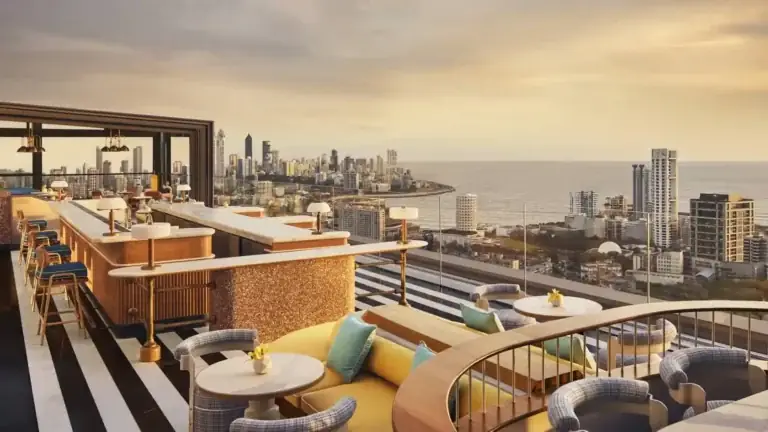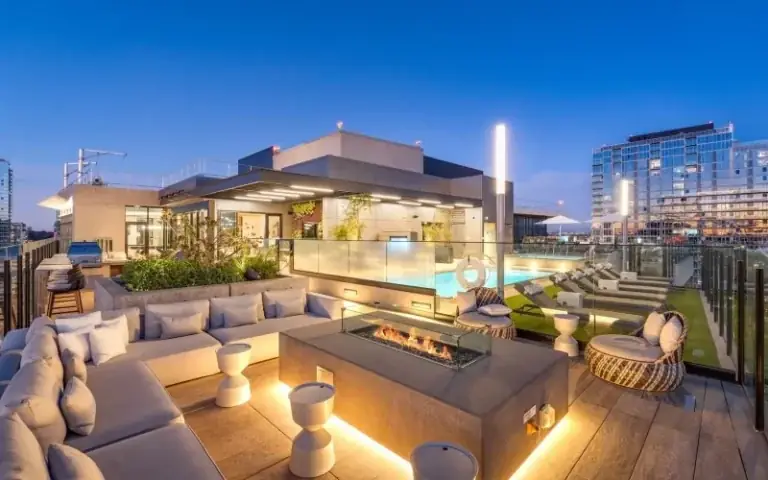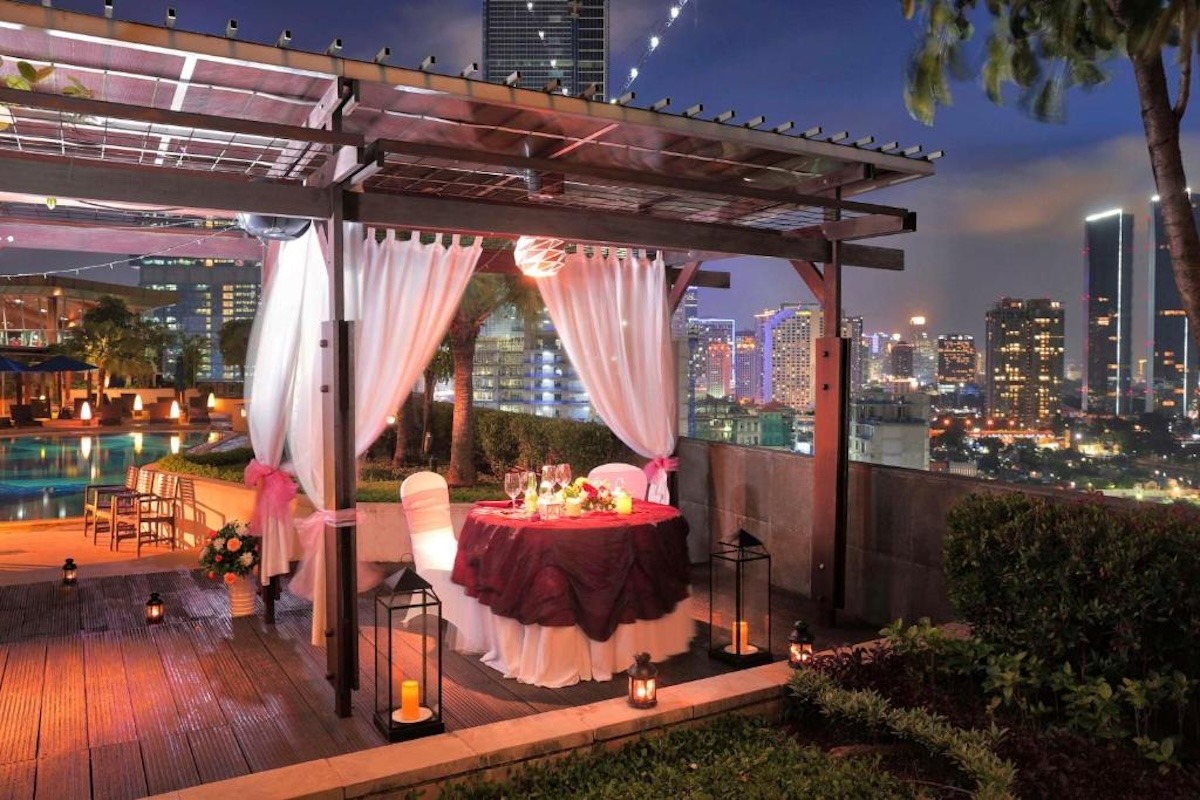
Best Rooftop Hotels for Romantic Stays: An Editorial Masterclass
The intersection of high-altitude hospitality and romantic travel represents a distinct sub-sector of the luxury market, one where the “view” serves as a psychological catalyst rather than a mere aesthetic backdrop. In the context of urban planning and hospitality design, the rooftop is the ultimate frontier of exclusivity—a space physically removed from the chaotic sensory inputs of the street level. This vertical isolation creates a curated environment where the focus shifts from the external environment to the internal experience of the couple. Consequently, selecting a venue in this category requires a nuanced understanding of how architecture, lighting, and environmental variables influence interpersonal dynamics.
For the sophisticated traveler, the concept of “romance” in a hotel setting has evolved beyond traditional clichés. It is no longer defined by superficial gestures but by the “quality of the envelope”—the physical and service-driven parameters that allow for privacy, shared awe, and uninterrupted connection. When we discuss the top-tier vertical assets in global cities, we are looking at structures that leverage height to create a sense of shared transcendence. These spaces are intentionally designed to maximize “Golden Hour” exposure and mitigate the “Auditory Contamination” of urban life, providing a sanctuary that is as structurally sound as it is emotionally resonant.
The challenge in the modern market is discerning between “high-occupancy tourist traps” and genuine sanctuaries of intimacy. A rooftop that prioritizes “Kinetic Nightlife” with high-decibel sound systems and crowded bar access may provide an excellent social experience, but it fundamentally fails as a romantic asset. True romantic excellence in vertical hospitality requires a delicate balance of “Active Vistas” and “Quiet Enclaves.” This editorial analysis provides the definitive framework for navigating these choices, ensuring that the selection process is governed by structural and psychological logic rather than marketing hyperbole.
Understanding “best rooftop hotels for romantic stays”
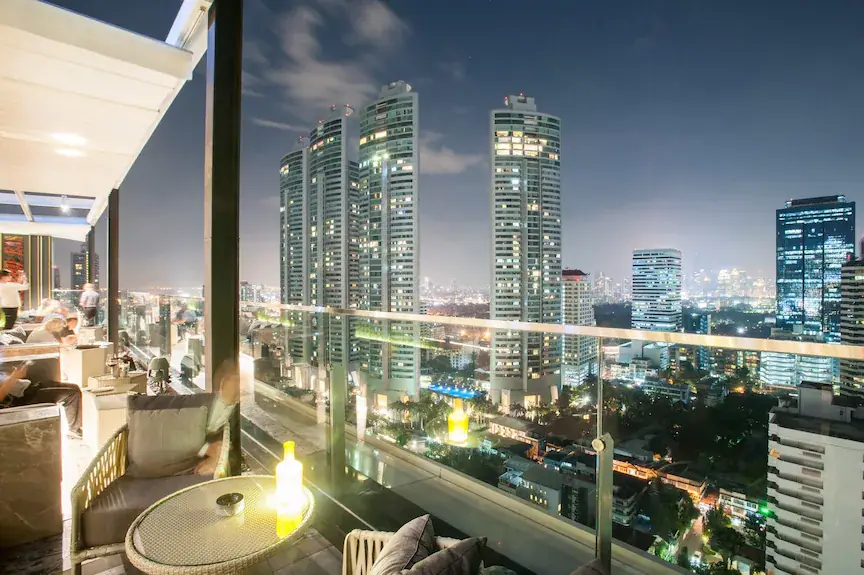
To rigorously define the best rooftop hotels for romantic stays, one must look past the gloss of travel photography to investigate the “Atmospheric Integrity” of the venue. A primary misunderstanding in this space is that height is a linear proxy for romance. However, height can also introduce “Clinical Vertigo” or wind-driven discomfort. A rooftop on the 100th floor may offer an expansive map of a city, but a rooftop on the 10th floor often provides a more intimate “Urban Dialogue,” where the architecture of the city feels like a private gallery rather than a distant abstraction.
Oversimplification frequently occurs when “romance” is conflated with “luxury.” A luxury hotel may offer a rooftop bar that is cold, corporate, and designed for networking. Conversely, the best rooftop hotels for romantic stays are those that utilize “Soft Zoning”—the use of planters, varying floor levels, and directional lighting to create sub-spaces where a couple can feel alone despite the presence of other guests. This is the “Public-Private Paradox”: the desire to be in a vibrant, high-energy location while maintaining a bubble of total privacy.
Evaluating these options also requires an analysis of “Temporal Fluidity.” A rooftop that is a serene breakfast spot at 8:00 AM might become a boisterous lounge by 8:00 PM. The risk for the romantic traveler is the “Vibe Shift.” A successful selection depends on knowing the “Operational DNA” of the roof across all hours of the stay. Without this insight, a planned romantic evening can easily be disrupted by the sudden arrival of a corporate mixer or a high-energy DJ set, breaking the carefully curated social illusion.
Contextual Background: The Evolution of the Romantic Skyline
Historically, the hotel roof was a utilitarian space reserved for laundry, water tanks, and mechanical venting. The transition toward a “Social Summit” began in the late 19th century with the “Starlight Roofs” of New York and London. These were grand, ballroom-style enclosures that brought the outdoors in through massive glass domes. They were the first venues to successfully monetize the “Romantic Gaze,” creating a setting for high-society courtship that was literally above the common fray.
In the mid-20th century, the advent of central air conditioning and high-speed elevators allowed for the “Open-Air Explosion.” Architects began to view the roof as a “Fifth Facade.” Today, the global luxury market has reached a state of “Hyper-Specialization.” We see the rise of “Infinite Pools,” “Sky-Gardens,” and “Private Observatory Suites.” This evolution has shifted the focus from the collective social experience to the individualised, “highly-curated” experience. The modern romantic rooftop is no longer a ballroom; it is a series of interconnected “Niches” designed to facilitate the personal narratives of its guests.
Conceptual Frameworks for Romantic Alignment
To analyze romantic verticality with editorial depth, we apply three primary mental models.
The “Awe-Inducement” Loop
Psychologically, shared awe—the feeling of being in the presence of something vast—leads to increased interpersonal bonding. This framework evaluates a rooftop by its ability to provoke “The Overview Effect.” The most romantic venues are those that provide a “Visual Horizon” that forces the viewer to pause, effectively resetting their neural state and making them more receptive to emotional connection.
The “Thermal-Comfort” Baseline
Intimacy cannot exist in physical distress. This model posits that the romantic potential of a rooftop is capped by its “Environmental Mitigation.” A roof with perfect views but high-velocity winds or extreme cold will fail as a romantic asset. The best venues use “Invisible Infrastructure”—heated floors, glass wind-screens, and radiant heat lamps—to maintain a “Constant Spring” climate.
The “Sartorial Harmony” Model
Every rooftop has a “Visual Register.” A mismatch between a couple’s attire and the venue’s “Design Language” creates social friction. The most successful stays are those where the couple feels like “Part of the Composition.” This requires a venue that aligns with the couple’s personal style, whether it is “Industrial-Chic,” “Classical-Grandeur,” or “Tropical-Minimalism.”
Taxonomy of Vertical Romantic Assets and Trade-offs
Selecting among the best rooftop hotels for romantic stays involves weighing “Environmental Profiles” against “Relational Goals.”
| Asset Category | Defining Feature | Primary Trade-off |
| The Urban Observatory | Glass-walled, high-altitude (50+ floors). | Can feel “clinical”; limited fresh air. |
| The Sky-Garden Oasis | Heavy greenery, natural textures. | Higher risk of insects; limited “unobstructed” views. |
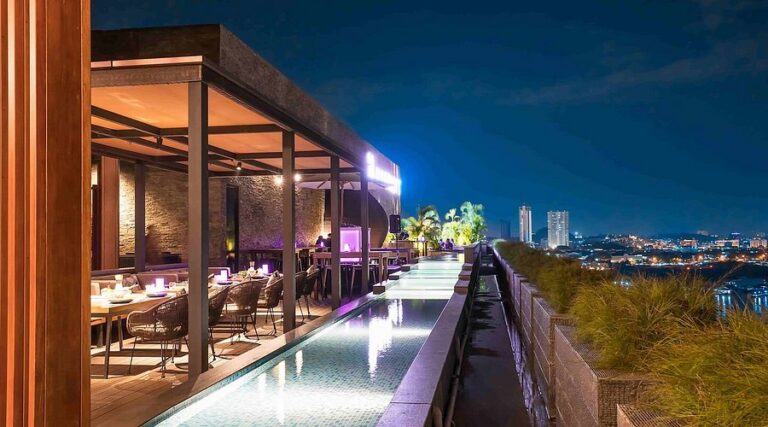
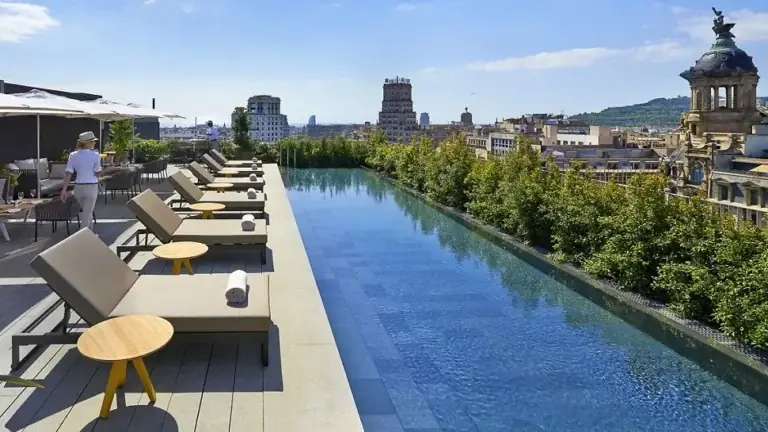
| The Infinite Pool Terrace | Water-focused; seamless horizon. | High traffic during daytime; “wet-floor” aesthetic. |
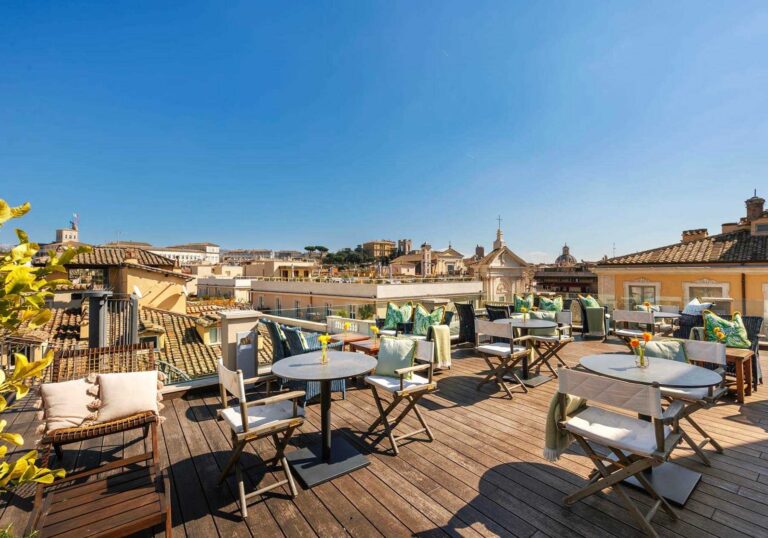
| The Historical Cupola | Ornate architecture; low-rise intimacy. | Smaller footprint; potentially outdated tech. |
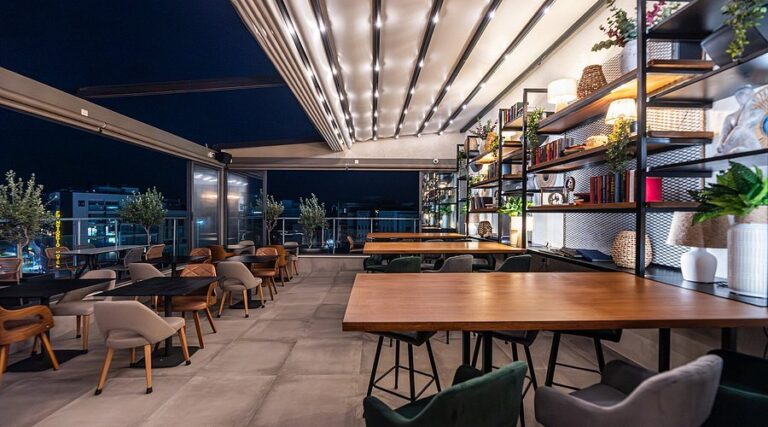
| The Industrial Loft Deck | Raw materials; “edgy” urban feel. | Can be noisy; less “traditional” romance. |
| The Private-Tier Roof | Access restricted to specific suite guests. | Extreme cost; less “energy” from a crowd. |
Realistic decision logic involves the “Duration-of-Stay” metric. A 360-degree observatory is spectacular for 30 minutes, but a “Sky-Garden” with comfortable, deep-seated furniture is superior for a three-hour conversation.
Detailed Real-World Scenarios in Romantic Travel
Scenario A: The “Sunset Trap”
A couple books a premier rooftop table in Santorini for exactly 6:30 PM to catch the sunset.
-
The Constraint: The venue is at 100% capacity; the noise level is high; photographers are constantly leaning over their table to get the perfect shot.
-
The Strategy: The best rooftop hotels for romantic stays often offer a “Secondary Deck” or “Late-Night Access” where the view is the same but the “Photographic Tourist” volume has subsided.
Scenario B: The “Thermal Collapse”
A couple chooses a beautiful open-air terrace in Paris in October.
-
The Failure: Despite the heaters, the wind on the 8th floor is biting. The evening is cut short because the “Utility of Warmth” was ignored in favor of the “Aesthetic of the View.”
-
The Solution: Prioritize venues with “Retractable Glass Enclosures” that offer the illusion of openness with the security of climate control.
Scenario C: The “Operational Vibe-Shift”
A hotel in Bangkok has an award-winning rooftop bar.
-
The Transition: At 9:00 PM, the “Soft Jazz” background music switches to “Deep House.”
-
The Decision Point: If the romantic goal was “Deep Conversation,” the couple must have a “Plan B” (such as a private suite balcony) to retreat to when the social energy of the roof exceeds their personal energy.
Planning, Cost, and Resource Dynamics
The economics of the “High-Altitude Romantic Stay” are governed by the “View Premium.”
| Investment Tier | Typical Cost Basis | Resource Requirement |
| The “Golden-Hour” Dining | $200 – $600 per couple. | 2–3 hours of time; 2-week lead time. |
| The Suite Upgrade | $400 – $1,500 extra per night. | Financial capital; specific room-type availability. |
| The Private Buyout | $2,000 – $10,000+. | Significant lead time (3+ months); contract negotiation. |
| The Loyalty Access | Points/Status based. | Long-term brand engagement; historical data. |
“Opportunity Cost” must also be considered. Choosing a hotel purely for its rooftop often means compromising on room size or proximity to ground-level attractions. The “Strategic Choice” is to find a hotel where the rooftop and the room are in “Aesthetic Equilibrium.”
Tools, Strategies, and Support Systems
To verify the quality of a romantic rooftop before arrival, use these “Integrity Checks”:
-
The “Shadow Mapping” Audit: Use satellite imagery to see if the rooftop is overshadowed by adjacent buildings during the specific hours you plan to be there.
-
The “Ambient Sound” Review: Look for videos (not photos) on social media location tags to hear the actual decibel level of the wind and the music.
-
The “Furniture Density” Check: High-density seating is a red flag for romance. Look for plans that show “Clustered Seating” with breathing room between tables.
-
The “Concierge Direct” Protocol: Contact the hotel concierge to ask about “Quiet Corners.” A venue that has a specific “Romantic Seating Policy” is far superior to one that treats all guests as equal units of revenue.
-
The “Lighting Temperature” Filter: Romance thrives in 2700K (warm) lighting. If the rooftop photos show “Cool Blue” or “Neon” accents, it is likely designed for a party atmosphere, not intimacy.
-
The “Exit Strategy” Knowledge: Know if the hotel has an indoor lounge with a similar view for sudden weather shifts.
Risk Landscape and Failure Modes
-
“The Glass Reflection” Syndrome: At night, poorly angled lighting can cause the interior lights to reflect off the glass, making it impossible to see the view from the inside.
-
“The Service Invisibility”: On large rooftops, the “Corner Intimacy” table is often the hardest for servers to reach. This leads to long wait times, which can create frustration—a romantic killer.
-
“The Social Media Intrusion”: The most beautiful spots are magnets for “Content Creators.” The risk of having a ring light or a tripod positioned next to your table is a real and growing failure mode in urban centers.
Governance, Maintenance, and Long-Term Adaptation
A hotel’s rooftop is a “Live Asset.” It requires constant governance to remain romantic.
-
Monitoring “Vibe Creep”: As a venue becomes more popular, the tendency is to pack more tables in. The best rooftop hotels for romantic stays are those that maintain “Static Capacity” despite high demand.
-
The “Seasonal Shift” Audit: A venue that is romantic in the summer (cool breezes, sunset) may be dismal in the winter. Adaptation requires the hotel to change its “Operational Mode”—swapping linen chairs for velvet ones, or adding fire pits.
-
The “Maintenance Masking” Rule: Rooftops require heavy maintenance (cleaning glass, replacing wind-blown plants). A romantic hotel ensures this work is done “Out of Sight”—never during guest hours.
Common Misconceptions and Strategic Oversights
-
“The highest floor is always the best”: False. The “Mid-Rise” view allows you to see the “Face of the City” rather than just its “Scalp.”
-
“Pictures on the website are current”: Rooftop furniture is replaced frequently due to weather wear. Always check the “Recent” tab on location-tagged social media.
-
“A reservation guarantees a view”: Many rooftops have “Inner Circle” seating that has no view at all. You must specifically request “Edge-Access.”
-
“I can just walk in for a drink”: The best rooftop hotels for romantic stays often have a “Guests Only” or “Reservations Only” policy to prevent the very crowds you are trying to avoid.
-
“Rain means the night is ruined”: Not if you chose a hotel with a “Glass-Box” lounge.
-
“Privacy is guaranteed in a high-end hotel”: Privacy is an engineered feature, not a default. You have to look for the “Nooks” in the plan.
Conclusion
The pursuit of the best rooftop hotels for romantic stays is an exercise in “Environmental Selection.” It is about finding a space that acts as a silent partner in the romantic narrative—a place that provides the scale of the infinite while maintaining the safety of the intimate. As urban landscapes continue to build upward, the value of these vertical sanctuaries will only increase. Success in this domain is found by those who prioritize “Atmospheric Depth” over “Surface Level Hype,” recognizing that the most memorable romantic stays are those where the world falls away, leaving only the sky and the person across the table.