How to Compare Rooftop Hotel Amenities: The Definitive Editorial Guide
The vertical expansion of the modern urban landscape has fundamentally shifted how luxury and convenience are perceived in the hospitality sector. What was once considered an auxiliary architectural feature—a simple roof deck or a functional mechanical space—has been transformed into a primary revenue driver and a definitive marker of a property’s brand identity. This shift represents more than just a trend in real estate; it is a sophisticated evolution of spatial utility where the boundary between the city and the hotel dissolves.
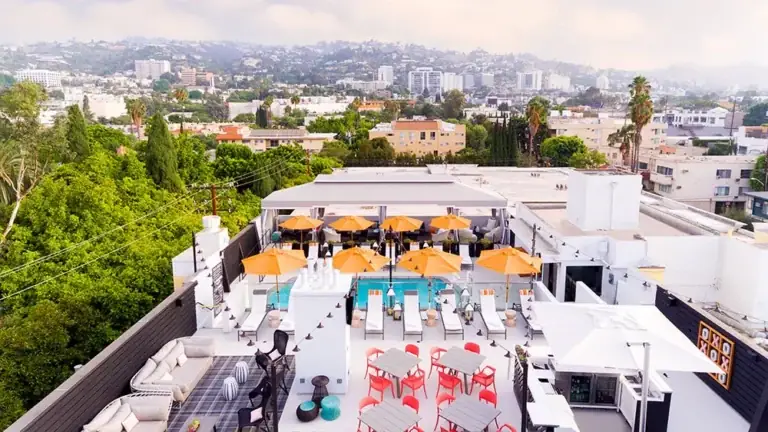
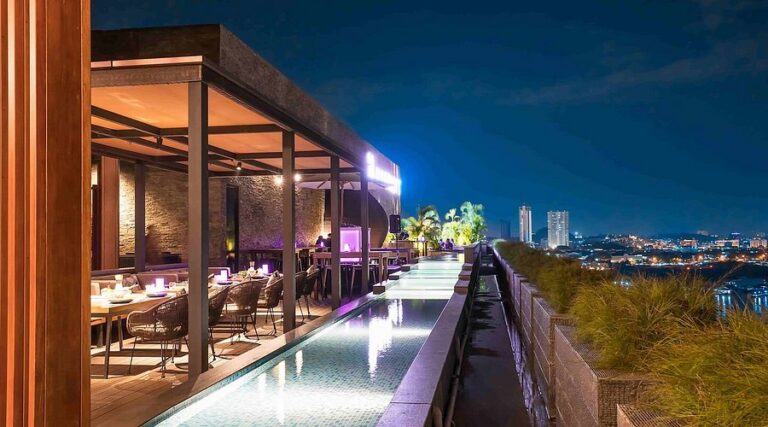
For the modern traveler and the corporate event planner alike, the ability to effectively compare rooftop hotel amenities is no longer a matter of checking a box for “pool” or “bar.” It requires an understanding of how these spaces interact with local microclimates, noise ordinances, and the specific ergonomic needs of different guest demographics. A rooftop infinity pool in a tropical climate serves a vastly different functional purpose than a glass-enclosed observation lounge in a northern metropolitan hub, yet both are frequently marketed under the same generic umbrella of “elevated luxury.”
This analysis seeks to dissect the architectural, operational, and experiential layers of rooftop spaces. By examining the trade-offs between high-energy social hubs and secluded wellness sanctuaries, we can establish a rigorous framework for evaluation. We will explore the technical constraints that dictate these designs, the hidden costs of maintenance in exposed environments, and the strategic logic that hotels use to curate these high-altitude environments.
Understanding “compare rooftop hotel amenities”
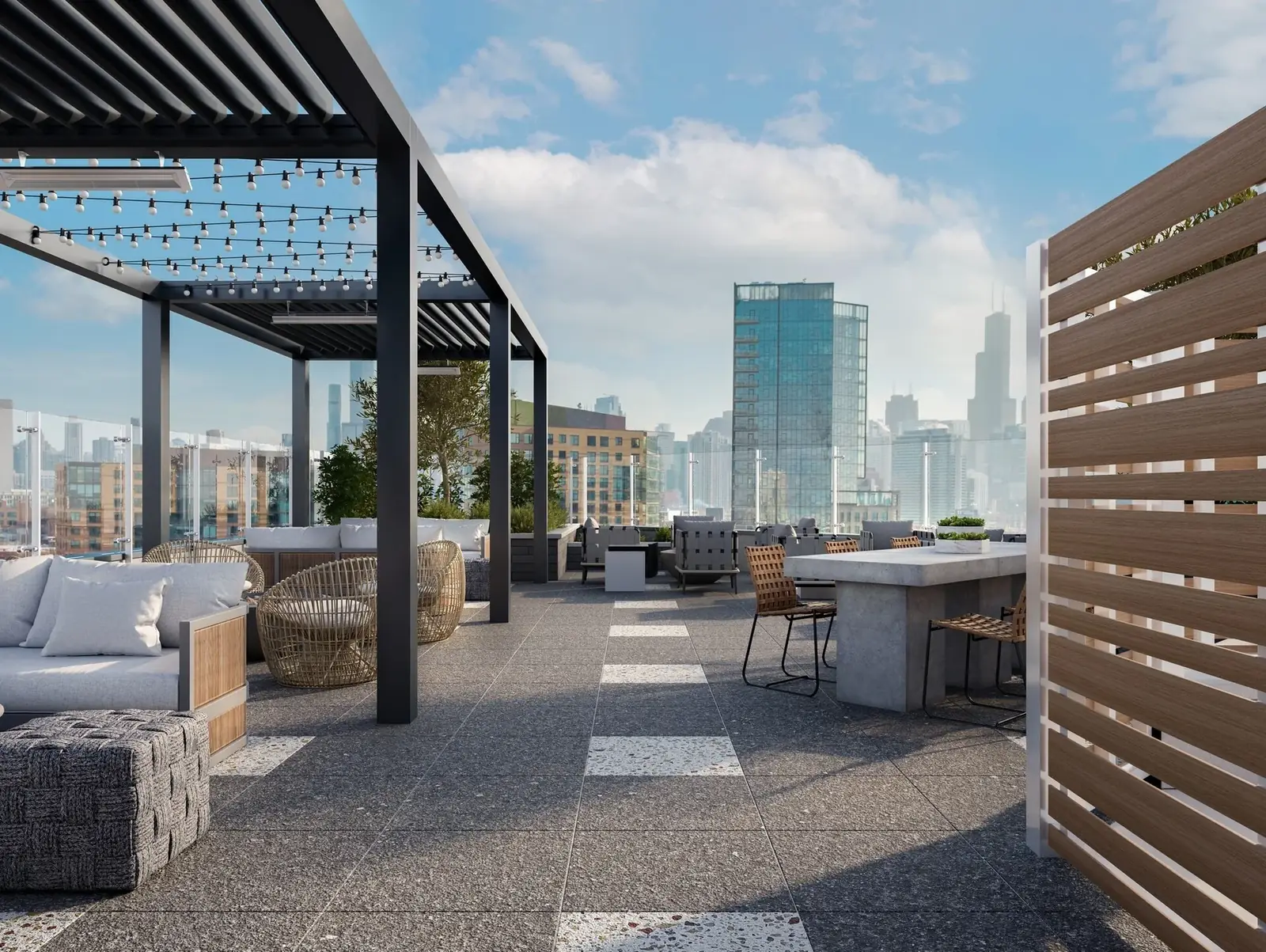
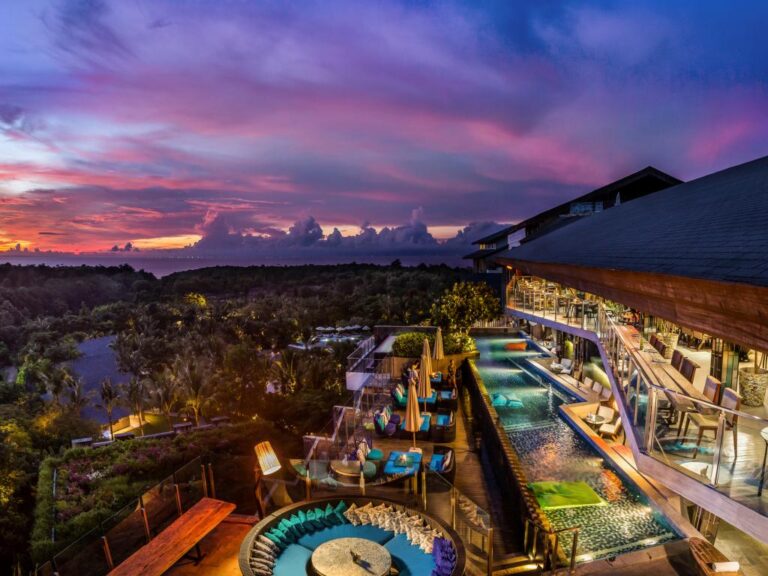
To compare rooftop hotel amenities with any degree of intellectual rigor, one must first move past the promotional photography that dominates the industry. The core of this comparison lies in the tension between aesthetics and utility. A space may look breathtaking in a wide-angle photograph taken at sunset, but its functional value diminishes if the wind shear at thirty stories makes conversation impossible or if the sun exposure renders the seating unusable for eight hours of the day.
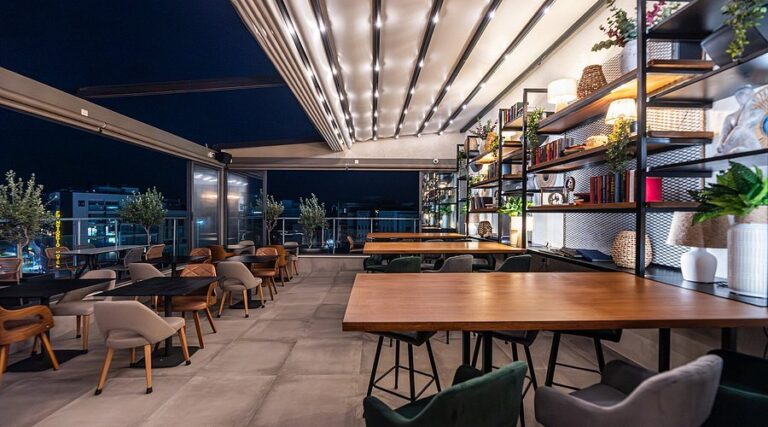
Oversimplification in this sector usually occurs when travelers or developers equate square footage with quality. In reality, a smaller, intelligently partitioned rooftop that offers distinct “zones”—perhaps a quiet library nook shielded by greenery and a separate, vibrant cocktail area—is often more valuable than an expansive, undifferentiated concrete slab. When we compare these features, we are looking at the orchestration of light, sound, air movement, and service flow.
Furthermore, the “amenity” itself is often a bundle of services. A rooftop pool is not just a body of water; it is a logistical ecosystem comprising towel service, temperature regulation, chemical balance, and safety monitoring. If a guest compares two properties based on the presence of a pool but ignores the operational hours or the “adults-only” policies that govern them, the comparison is fundamentally flawed. True comparative analysis accounts for these invisible layers of governance that dictate the actual guest experience.
The Evolution of the Vertical Third Space
Historically, hotel roofs were the domain of HVAC units, water tanks, and elevator machine rooms. The transformation began in dense urban centers like New York and London, where ground-level real estate became prohibitively expensive. Designers began to realize that the “fifth facade” offered an untapped asset: the view.
The 1920s saw the rise of the “roof garden,” largely influenced by the European grand hotel tradition. However, these were often passive spaces for strolling. The modern era has seen these spaces become “activated.” This means they are designed to generate revenue through food and beverage, wellness memberships, or private event bookings. This systemic evolution has led to a specialization of rooftop types. We now see properties that lean heavily into the “Day Club” model—mimicking the high-energy atmosphere of Ibiza—versus those that follow the “Urban Oasis” model, focusing on biophilic design and silence.
Conceptual Frameworks for Rooftop Evaluation
To systematically evaluate these spaces, we can apply several mental models that highlight the inherent trade-offs in rooftop design.
The Exposure-Utility Matrix: This framework measures the degree to which an amenity is exposed to the elements versus its year-round usability. High Exposure/High Seasonal Utility refers to traditional outdoor pools and open-air bars. These offer the highest “wow factor” but zero utility during inclement weather. Low Exposure/High Constant Utility involves enclosed solariums or glass-walled gyms. These provide the view without the climatic risks, though they often feel less “connected” to the city.
The Privacy-Sociality Spectrum: Hotels must decide if their rooftop is a public-facing revenue generator or a private sanctuary for in-house guests. The Revenue Engine is open to the public, featuring high foot traffic and high energy. The Resident Retreat utilizes restricted access and lower density to provide a premium, quiet service environment.
Taxonomy of Elevated Amenities and Operational Trade-offs
When you compare rooftop hotel amenities, the variations generally fall into several major categories. Each carries specific benefits and logistical burdens that must be weighed against the property’s target demographic.
| Amenity Type | Primary Benefit | Significant Trade-off |
| Infinity/Edge Pools | Visual spectacle; high social media value. | Massive structural weight; wind-chill issues. |
| Retractable Roofs | 365-day revenue generation; weatherproofing. | High mechanical maintenance; aesthetic clutter. |
| Urban Gardens | Sustainability; calm atmosphere. | Weight of soil; intensive irrigation needs. |
| Observation Decks | Pure view-based attraction. | Often lacks seating; can feel transient. |
| Wellness Spaces | Unique guest experience; quietude. | Requires strict noise control from other areas. |
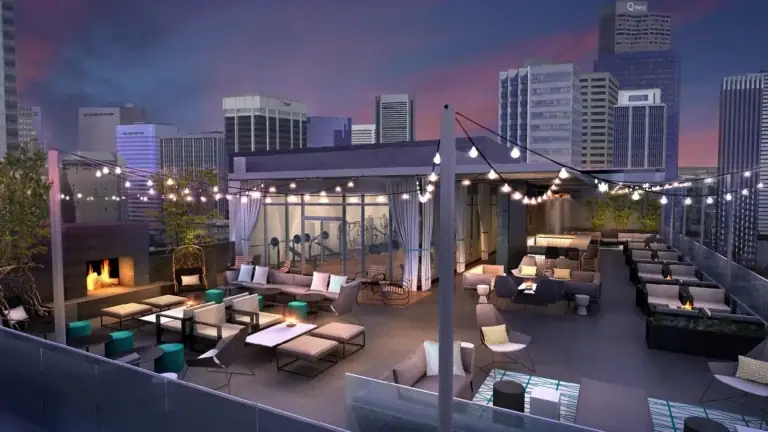
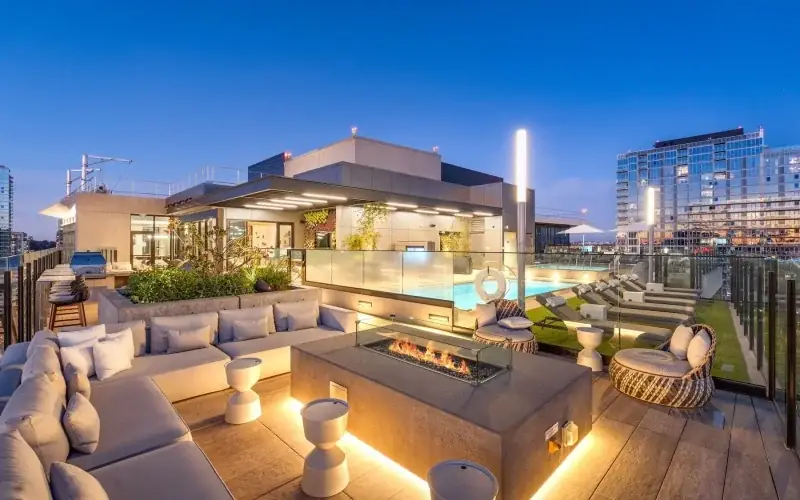
A business traveler might prioritize a rooftop with high-speed Wi-Fi and shaded “work pods,” whereas a leisure traveler might exclusively seek the infinity pool. The “best” amenity is entirely dependent on the traveler’s primary objective. If the goal is a romantic evening, a rooftop with fire pits and low-density seating will outperform a high-volume bar every time.
Real-World Scenarios and Spatial Logic
In cities like Chicago or Tokyo, wind is the primary antagonist. A hotel may offer a stunning 50th-floor terrace, but if the “venturi effect” between buildings is not mitigated by glass baffles or wind-breaking vegetation, the space becomes unusable. Failure modes include furniture that is too light and can be displaced by gusts, or napkins and glassware that cannot be secured.
Another scenario involves the over-capacity pool. A boutique hotel may market its rooftop pool as its crown jewel, yet with only twenty lounge chairs for a 200-room property, the amenity becomes a source of friction. Management must decide whether to implement a reservation system or allow “first-come, first-served” usage, both of which impact the Net Promoter Score differently.
Financial Dynamics: Costs, ROI, and Opportunity
The financial reality of maintaining these spaces is significant. When we compare rooftop hotel amenities from a management perspective, we must look at both CAPEX and OPEX.
| Cost Factor | Estimated Impact | Primary Variables |
| Structural Reinforcement | High | Weight of pool water and soil depth. |
| Vertical Logistics | Medium | Dedicated elevator maintenance. |
| Climate Control | High | Outdoor heaters and misting systems. |
| Staffing Premiums | Medium | Specialized security and safety staff. |
The opportunity cost is also significant. Every square foot dedicated to a lounge is a square foot that cannot be used for a premium penthouse suite. Hotels must calculate if the “halo effect” of a world-class rooftop attracts enough guests to the lower floors to justify the loss of high-yield room revenue on the top floor.
The Risk Landscape: Weather, Safety, and Failure Modes
The risks associated with rooftop amenities are often compounding. A simple plumbing leak in a rooftop pool is not just a maintenance issue; it is a potential catastrophe for the luxury suites on the floors below. Structural fatigue over time, caused by the vibration of HVAC systems or the immense weight of water, requires constant monitoring.
Safety breaches also represent a critical risk. The danger of objects falling from the roof requires high-impact glass railings or “setback” architectural designs. Furthermore, regulatory shifts in local noise ordinances can effectively shut down a profitable rooftop bar overnight, making long-term adaptability a necessity rather than a luxury.
Long-Term Governance and Adaptation
A rooftop is a living environment that requires a rigorous “Review-Adjust-Adapt” cycle. This includes quarterly wind and structure audits to check the integrity of glass partitions and railings. It also involves seasonal transitions, such as the physical labor of “winterizing” a space or deploying summer shade structures. Biophilic management is equally essential; rooftop gardens are prone to different pests and dehydration levels than ground-level plants and require specialized care.
Metrics of Success: Beyond the Aesthetic
How does one determine if a rooftop amenity is actually better than its competitors? A strong qualitative signal is “dwell time”—how long the average guest stays in the space. Longer dwell times usually correlate with higher satisfaction and higher food and beverage spend. Quantitatively, properties look at Revenue per Square Foot (RevPSF) specifically for the rooftop area. A leading indicator is often the ratio of “rooftop-specific” mentions in five-star reviews compared to general service mentions.
Correcting Common Misconceptions
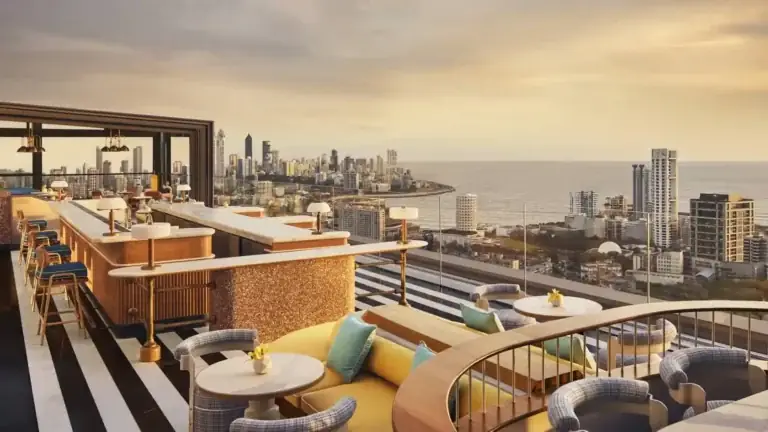
There are several persistent myths when travelers compare rooftop hotel amenities. The “Highest is Best” myth is common, yet a 10th-floor rooftop that is eye-level with iconic architecture is often more visually engaging than a 70th-floor roof where the city looks like a miniature map.
The “Infinity Pool” fallacy is another; many pools are only “infinity” from a specific camera angle, while in person, safety ledges may break the illusion. Finally, “all-weather” claims often fall short; a “year-round” rooftop frequently means a heated tent in winter, which obscures the very view guests are paying for.
Synthesis and Editorial Judgment
The decision to compare rooftop hotel amenities is ultimately an exercise in identifying personal or organizational priorities. The topical authority on this subject recognizes that the most impressive rooftop is not necessarily the one with the most features, but the one with the most coherent design. When architectural intent matches operational execution, the rooftop transcends being a mere amenity and becomes the core identity of the property.