Best Rooftop Hotels for Photography: A Definitive Editorial Guide (2026)
The evolution of the urban skyline has fundamentally altered the criteria for luxury in the hospitality sector. No longer is a premium stay defined solely by the thread count of the linens or the discretion of the concierge; it is increasingly measured by the visual potential of the property’s highest elevation. For the modern creator, the search for the “best rooftop hotels for photography” is a quest for a specific kind of geometry—the intersection of architectural boldness, light quality, and unobstructed sightlines.
This demand has forced a shift in hotel design. Architects are now prioritizing the “fifth facade,” moving beyond the utilitarian placement of HVAC units to create “activated” spaces designed for the lens. These locations are no longer just bars or pools; they are high-altitude studios where the city becomes a living backdrop. To photograph these spaces effectively requires more than a high-end camera; it demands an understanding of the logistics, lighting cycles, and the often-unspoken social contracts that govern high-traffic luxury environments.
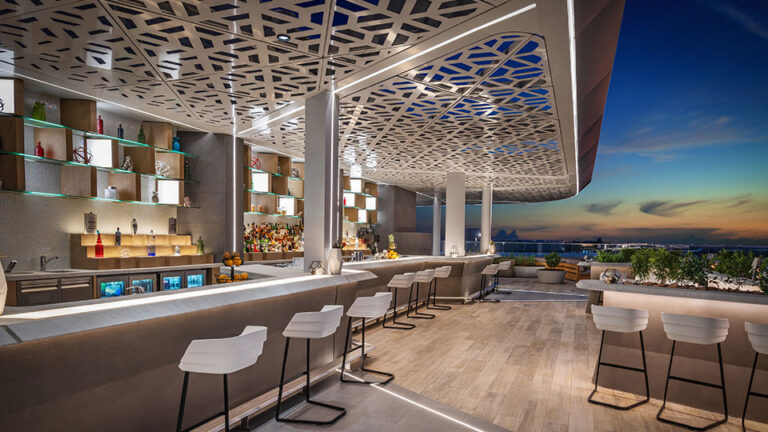
As we dissect the world’s most visually compelling rooftops, we must look past the “instagrammable” surface to the structural and atmospheric elements that make a shot truly iconic. From the emerald-green mosaic pools of Copenhagen to the futuristic bar designs of Singapore, the variety is immense. However, a great photograph is born at the junction of planning and perspective. This article serves as a definitive framework for identifying, accessing, and capturing the zenith of urban hospitality.
Understanding “best rooftop hotels for photography”
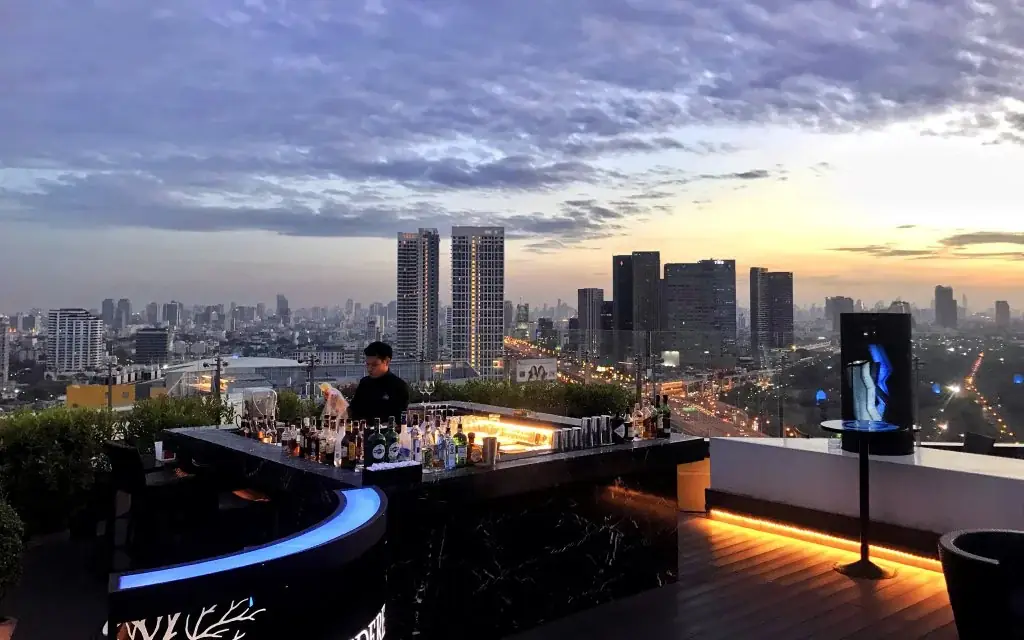
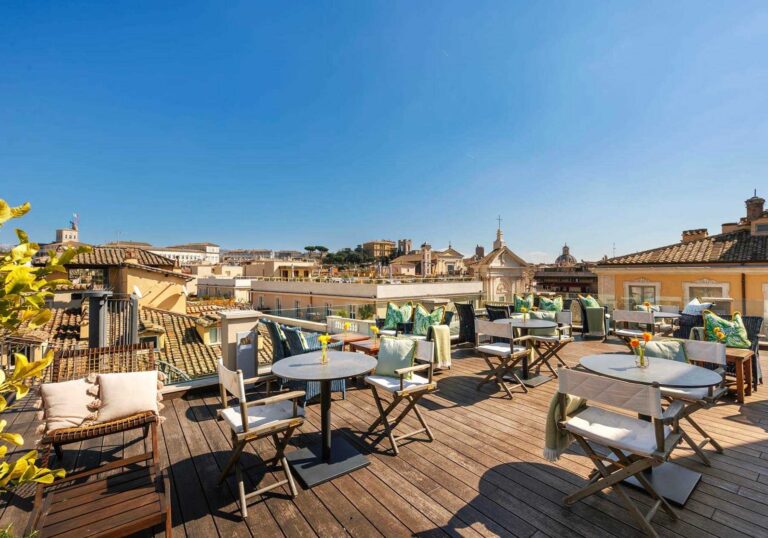
To categorize a location as part of the best rooftop hotels for photography, one must apply a rigorous standard that exceeds simple aesthetic appeal. A truly photographic rooftop is a multi-dimensional environment where the “view” is only one component of the value proposition. The most common misunderstanding in this space is the belief that higher is inherently better. In reality, a hotel perched on the 10th floor with a direct, eye-level perspective of a historic landmark often provides more compelling compositions than a 70th-floor observation deck where the city below is reduced to a flattened map.
Oversimplification also occurs when creators ignore the “light-shadow” relationship of the architecture itself. A rooftop might offer a 360-degree view of the skyline, but if the structural glass creates excessive glare or the furniture is bolted in positions that obstruct the golden hour light, its photographic utility is severely diminished. Therefore, we evaluate these spaces based on “visual permeability”—how easily a lens can navigate the transition from the hotel’s interior design to the external horizon.
Furthermore, the “best” hotels in this category are those that manage the tension between guest experience and content creation. A rooftop that is overcrowded or poorly lit for the sake of “mood” may be a great place for a cocktail, but it is a failure as a photographic asset. True topical authority in this niche requires looking at the technical variables: the orientation of the pool relative to the sunset, the height of the safety railings, and the specific policies regarding tripod use or professional equipment.
The Historical Trajectory of the Visual Rooftop
Historically, the hotel roof was the “service level”—the invisible brain of the building. In the early 20th century, grand hotels in Europe and New York began experimenting with “roof gardens,” but these were passive spaces designed for strolling rather than spectacle. The 1920s saw the first boom in “sky bars,” but it wasn’t until the mid-2000s that the “rooftop pool” became a global symbol of aspirational travel.
The real catalyst for change was the digital shift in the early 2010s. When hospitality moved from a “service economy” to an “experience economy,” the rooftop became the ultimate stage. Designers began to incorporate “hero shots” into their architectural blueprints. Pools were no longer just for swimming; they were designed with “infinity edges” specifically to create a seamless visual line between water and sky. By 2026, we have entered the “narrative-driven” era, where rooftops like the Marina Bay Sands in Singapore or L’Oiseau Blanc in Paris are engineered as much for the image as for the inhabitant.
Conceptual Frameworks for Visual Evaluation
To systematically compare these high-altitude assets, we use three primary mental models that move beyond surface-level aesthetics.
The Proximity-Altitude Matrix: This framework evaluates the balance between height and closeness to landmarks. High Altitude / High Proximity is rare and premium, offering a dominant view of the city’s pulse. Low Altitude / High Proximity is often superior for architectural detail and capturing the “texture” of the surrounding buildings.
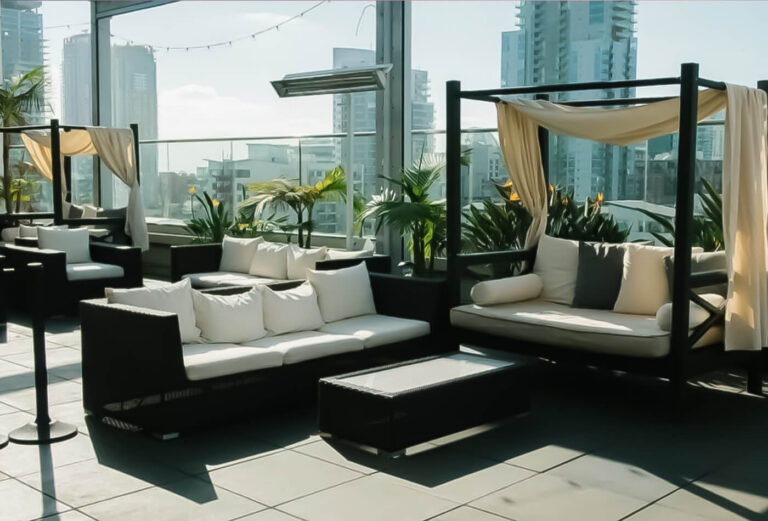
The “Glass-Air” Boundary Logic: This dictates the physical constraints of the shot. A rooftop with open-air access offers the highest fidelity, while glass-enclosed rooftops provide safety and year-round access but introduce risks of internal light reflection and lens distortion.
The Biophilic vs. Geometric Model: Does the rooftop use nature—such as hanging gardens or water features—to frame the city, or does it use hard lines, steel, and futuristic lighting? This choice dictates the “mood” of the resulting photography, contrasting tranquil organic vibes with high-energy urban movement.
Taxonomy of Visual Assets and Practical Trade-offs
When evaluating the best rooftop hotels for photography, assets typically fall into several distinct categories. Each carries specific benefits and logistical burdens that a photographer must account for during the planning phase.
| Asset Type | Visual Strength | Technical Challenge |
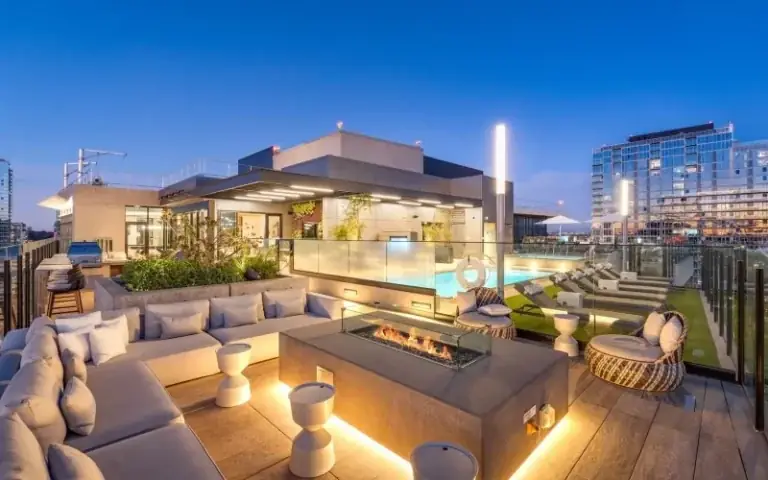
| Infinity Pools | Seamless horizon; reflections. | Crowd management; refraction. |
| Architectural Landmarks | High-value background context. | Fixed angles; lighting control. |
| Futuristic Lighting | Unique color palettes; energy. | High noise; lens glare. |
| Garden Decks | Organic framing; soft foregrounds. | Seasonal variability; wind. |
| Open Terraces | Zero glass interference; high detail. | High safety risks; wind shear. |
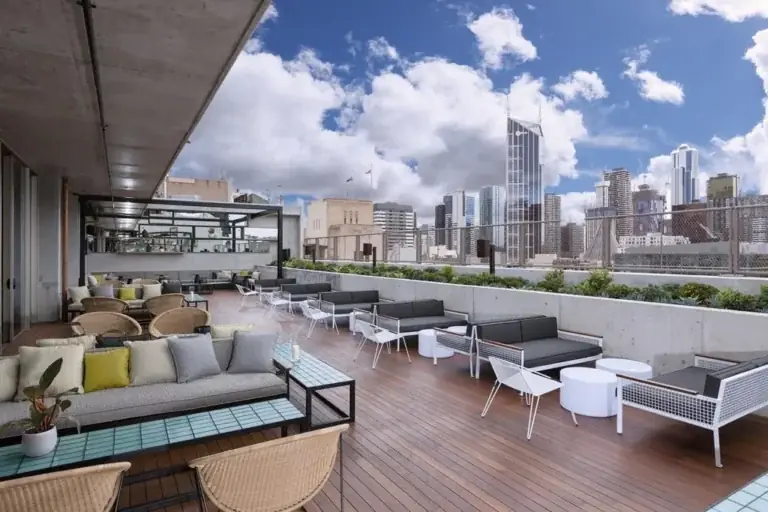
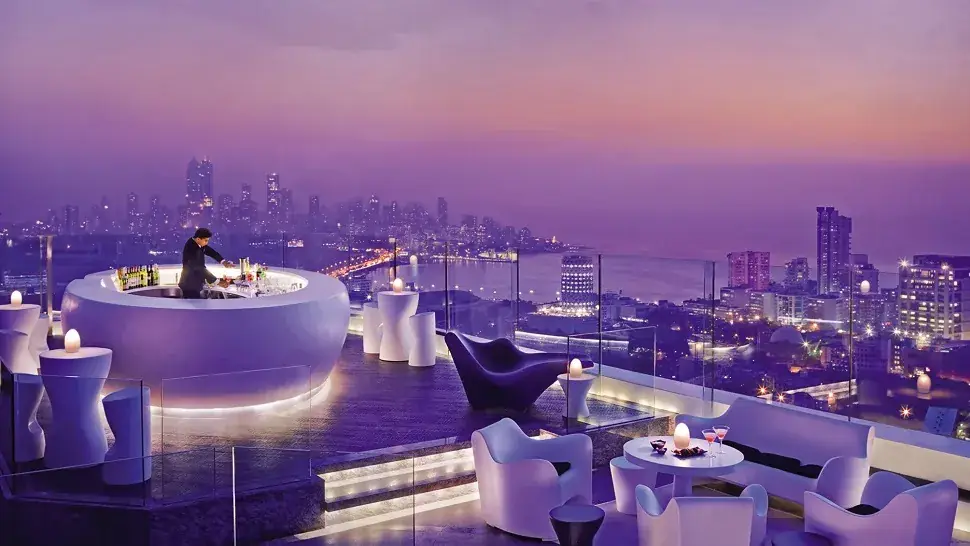
If the goal is architectural symmetry, a creator might choose a property where historic clocks or towers provide a rigid frame. If the goal is vibrant, high-energy movement, a rooftop with a color-saturated pool or neon accents offers a palette that is nearly impossible to replicate in a studio.
Technical Scenarios: Planning for the Perfect Shot
At a premier location, the sunset is the primary attraction. The constraint is almost always the density of other guests. A professional decision point involves arriving significantly early to secure a corner or opting for an “early-bird” sunrise shoot if the hotel permits. The failure mode here is arriving at the peak of sunset and being unable to deploy a tripod due to safety regulations or crowd flow.
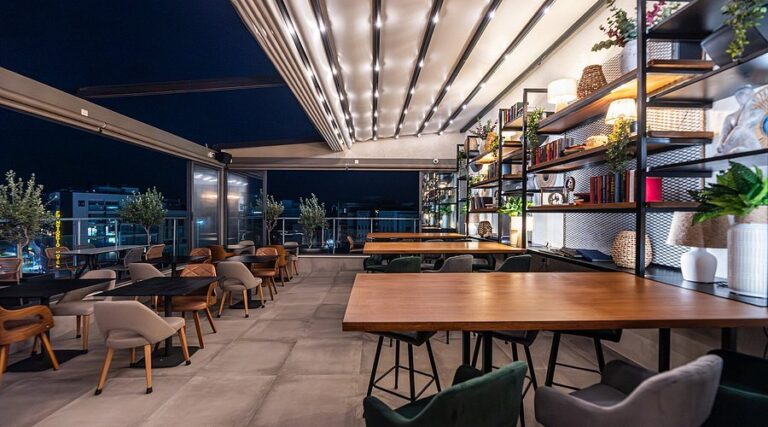
In glass-enclosed spaces, interior light reflects onto the windows at night, potentially ruining the city view. A refined strategy involves using a “lens skirt” to seal the lens against the glass or seeking out transitional spaces like outdoor smoking decks or service terraces where glass is absent.
Resource Dynamics: Access, Fees, and Logistics
Securing the right to photograph at the highest level of luxury is rarely as simple as booking a room. Professional photography is strictly regulated in the majority of premium properties.
| Resource Level | Access Method | Cost Dynamics |
| Standard Guest | Room booking. | Low cost; high gear restrictions. |
| Club/Suite Level | Premium booking. | Includes “early-access” hours. |
| Commercial Permit | Marketing approval. | High fees; requires insurance. |
| Reserved Seating | F&B reservation. | Minimum spend; limited mobility. |
Many of the best rooftop hotels for photography require a specific media kit review before allowing anything beyond a smartphone or a handheld camera. Understanding these barriers is essential for any high-level production.
The Risk Landscape: Environmental and Regulatory Failure Modes
Rooftops are volatile environments that can compromise equipment and safety. Above 40 stories, wind shear can destabilize even heavy tripods, creating a safety risk and a technical failure point. Thermal shock is another factor; moving a camera from a cold AC-controlled room to a humid rooftop will cause instant internal lens fogging that can take an hour to clear.
Modern hotels also have “pixel privacy” rules. Navigating these social and environmental risks is what separates an amateur from a professional editorial writer or creator.
Long-Term Adaptation of Photographic Spaces
As hotels age, their visual authority must be maintained through rigorous standards. In salt-air environments, glass can become etched and opaque without monthly professional cleaning. Transitioning to high-CRI (Color Rendering Index) LEDs is another necessary adaptation, ensuring that the artificial lighting doesn’t flicker on video or create odd color casts on skin during nighttime shoots. Designing rooftops with lightweight, stylish furniture that can be moved to accommodate specific framing needs is also a hallmark of a photo-ready property.
Measurement and Evaluation of Visual Authority
How do we quantify if a hotel truly remains among the best? Leading indicators include the volume of organic check-ins by professional photographers and travel editors. Qualitative signals involve the presence of the hotel in high-end fashion editorials or architectural digests. Quantitatively, properties look at the conversion rate of social media traffic to direct bookings, specifically from content that highlights the rooftop view.
Common Misconceptions and Oversimplifications
One persistent myth is that the highest floor is always better; often, the 50th floor is too high, losing the street-level life that gives a city its character. Another misconception is that pools are only for day shots, whereas nighttime pool photography utilizing underwater lighting often yields more sophisticated results.
Furthermore, many assume you need a permit for everything, but most hotels allow handheld professional cameras if you are a guest—the “permit trigger” is usually the tripod.
Synthesis and Editorial Judgment
The pursuit of the best rooftop hotels for photography is an exercise in editorial judgment. It requires a balance between the grandeur of the skyline and the intimacy of the hotel’s design. As cities become denser and our visual culture more saturated, the “perfect shot” will belong to those who understand the invisible architecture of light and the logistical nuances of the high-altitude environment.