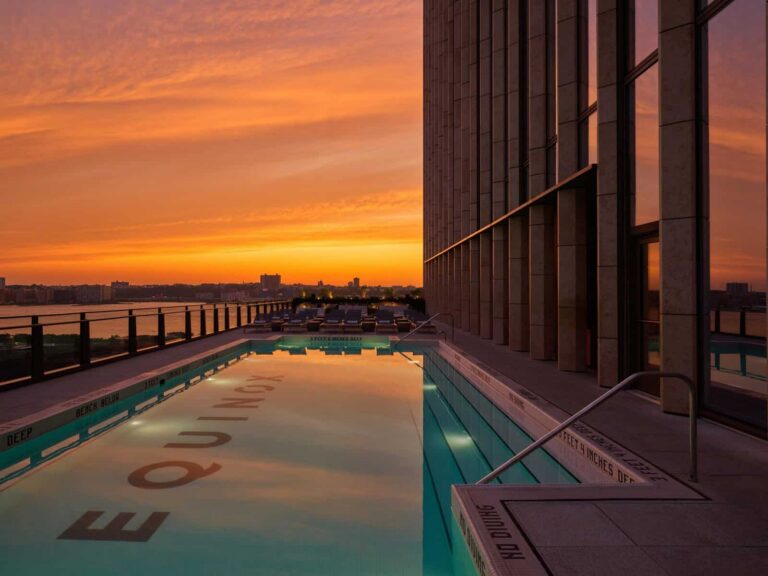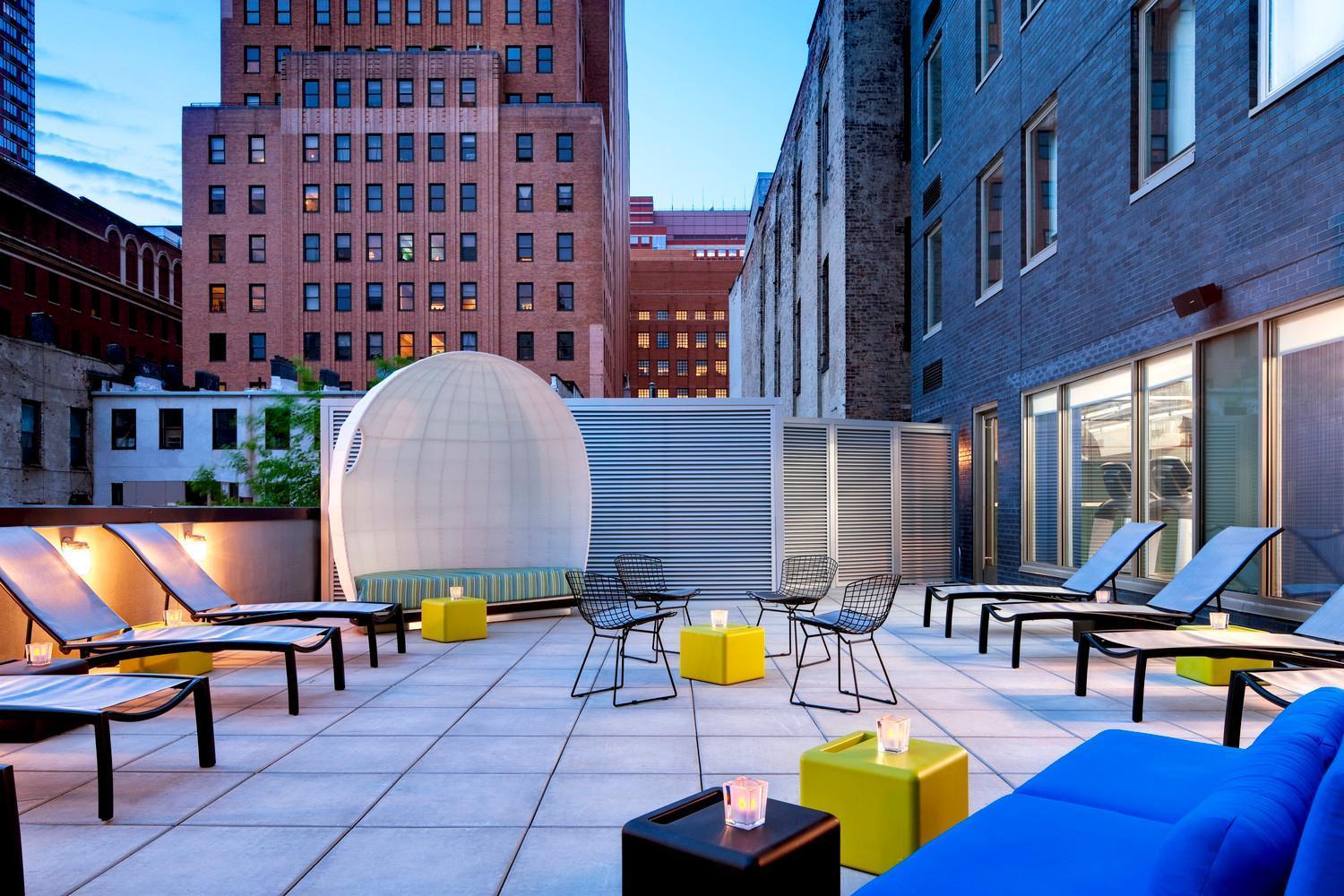
Boutique Rooftop Hotels USA: A Comprehensive Editorial Analysis
The American hospitality landscape is undergoing a significant vertical reorganization. As urban density increases and the “lifestyle” segment of the hotel industry matures, the roof has transitioned from a mechanical necessity to the primary theater of brand expression. This evolution is most pronounced within the boutique sector, where limited room counts and personalized service models allow for a more integrated relationship between the sleeping quarters and the elevated social spaces. Unlike large-scale commercial chains, these smaller properties utilize their rooftops to anchor the hotel within its specific neighborhood context, turning a physical view into a cultural narrative.
The appeal of the boutique rooftop is rooted in a desire for curated exclusivity. In major American metropolitan areas, the rooftop acts as a “second lobby”—a space that is often more vital to the hotel’s identity than the street-level entrance. This shift has necessitated a sophisticated approach to architectural physics, acoustic management, and seasonal adaptability. The challenge for these properties is to maintain the intimacy characteristic of a boutique hotel while managing the high-volume traffic and logistical complexity inherent in operating a premier urban destination.
Understanding this niche requires moving beyond the aesthetics of the “infinity pool” or the “sky bar.” It demands an analysis of how these spaces function as economic engines and community hubs. For the discerning traveler or the industry analyst, the emergence of boutique rooftop hotels usa represents a broader trend toward “experiential real estate,” where the value of a square foot is determined not by its utility, but by its perspective.
Understanding “boutique rooftop hotels usa”
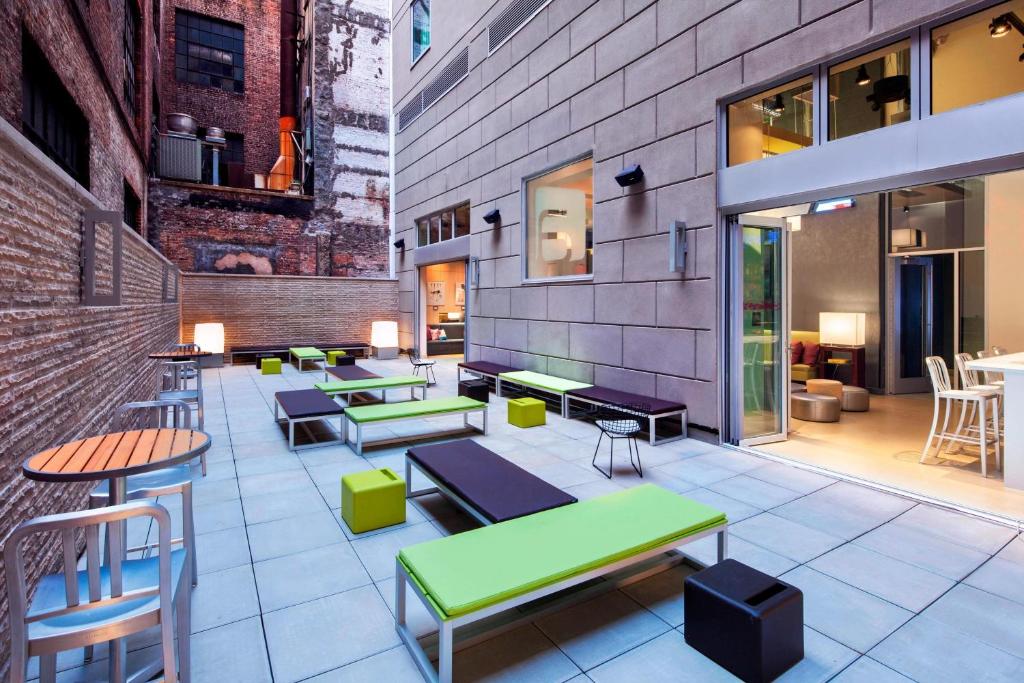
To rigorously define boutique rooftop hotels usa, one must look past the superficial “view” and analyze the property’s structural and operational philosophy. This involves a multi-perspective understanding of how social spaces interact with guest privacy. Common misunderstandings often conflate “boutique” with “small,” but in the context of rooftop hospitality, it more accurately refers to the specificity of the design and the curated nature of the guest demographic.
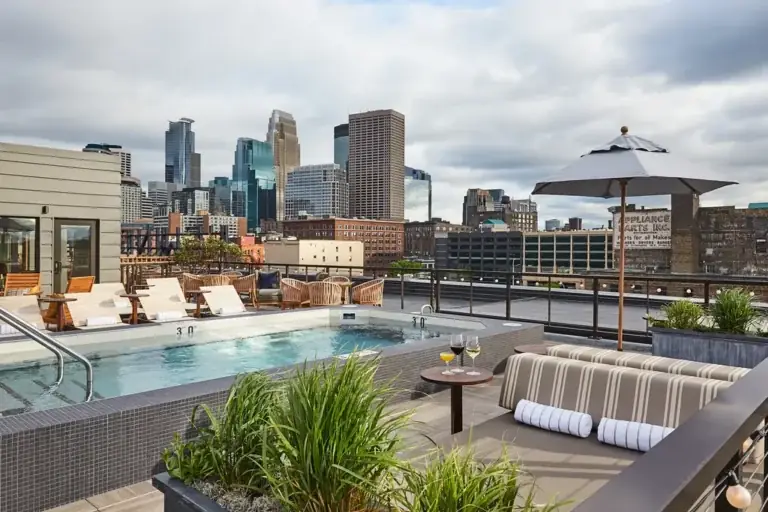
Oversimplification in this sector occurs when properties are categorized solely by their altitude. In many American cities, a fourth-floor terrace in a historic district can provide a more “boutique” experience than a 50th-floor sky deck in a glass tower. The former offers a connection to the streetscape and architectural detail, while the latter can feel detached and commodified. The risk for the consumer is choosing a property based on a wide-angle photograph without understanding the “acoustic and logistical density” of the space—factors that determine whether a rooftop feels like a private sanctuary or a crowded public thoroughfare.
Furthermore, the “USA” context is critical due to the vast diversity in climate and municipal regulation. A boutique rooftop in Miami operates under entirely different environmental and legal constraints than one in Seattle or New York. The term encompasses a range of adaptations, from the year-round outdoor culture of the Sun Belt to the “all-season” glass-enclosed conservatories of the Northeast. Authority in this domain requires recognizing that the success of these hotels depends on their ability to negotiate the local environment while maintaining a consistent brand identity.
The Historical Evolution of the Urban Fifth Facade
The concept of the “social roof” in America traces its lineage to the grand hotel “roof gardens” of the early 20th century. Properties like the Waldorf-Astoria in New York utilized their roofs to provide an escape from the soot and noise of the industrial city. However, these were largely the domain of the ultra-wealthy. The modern “boutique” movement, which gained momentum in the 1980s and 90s, re-imagined the roof as a democratic but curated space.
The 2010s marked a turning point where the “rooftop” became the primary search filter for a new generation of travelers. This historical trajectory shows a move away from the roof as a utilitarian “water tank” zone toward its current status as the most profitable square footage in the building.
Conceptual Frameworks for Elevated Boutique Hospitality
To analyze these properties, we apply three primary mental models.
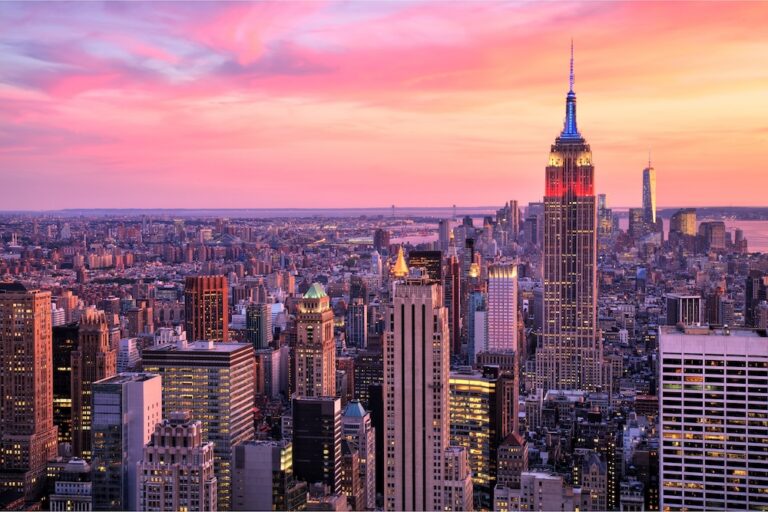
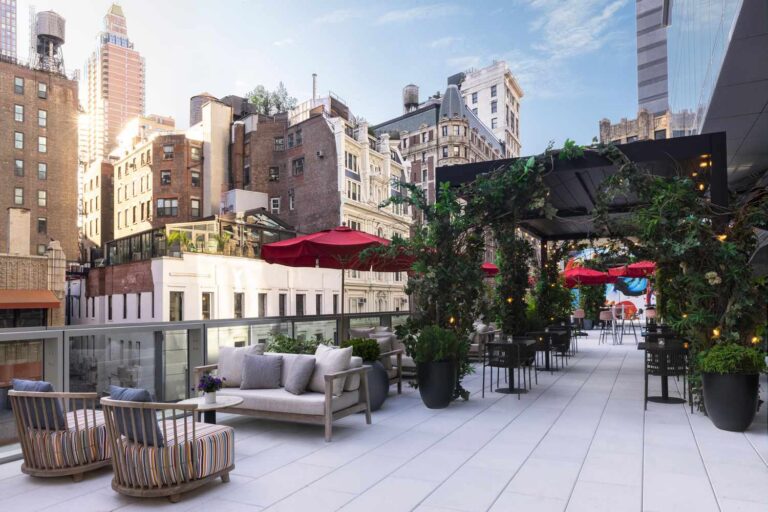
The Neighborhood Integration Framework: This model evaluates how well the rooftop connects the guest to the local skyline. A successful boutique hotel in New Orleans, for example, uses its roof to showcase the French Quarter’s unique geometry, whereas a Midtown Manhattan property focuses on the verticality of surrounding skyscrapers.
The Sound-to-Sensation Ratio: This is the balance between the “vibe” (music, social energy) and the “rest” (acoustic isolation in the rooms). The “mistake” in many boutique designs is failing to decouple the rooftop’s structural vibration from the premium suites immediately below.
The Seasonal Elasticity Model: This assesses a property’s ability to remain relevant across four seasons. In the USA, a rooftop that lacks a “retractable” or “indoor-outdoor” component is at a massive economic disadvantage in 70% of the country’s major markets.
Taxonomy of Rooftop Variations and Regional Trade-offs
The boutique rooftop market is not monolithic; it varies significantly by geography and architectural intent.
| Category | Primary Characteristic | Trade-off |
| Historic Adaptive Reuse | Authentic masonry; lower elevation; unique layouts. | Potential for structural noise issues; smaller elevators. |
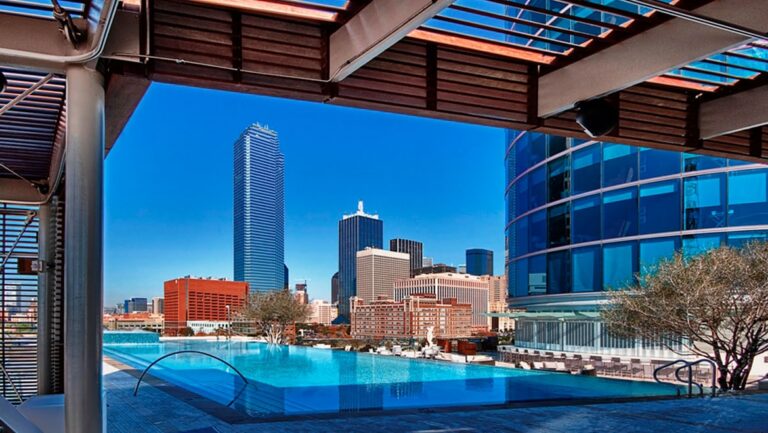
| New-Build Glass Tower | Unobstructed views; high-speed lifts; modern tech. | Can feel “corporate” or lacking in character. |
| Coastal “Pool-Centric” | Emphasis on daylight and wellness; open-air. | Highly weather-dependent; salt-air maintenance costs. |
| Industrial Loft Style | Raw materials (brick/steel); localized art. | Often located in “emerging” (louder) neighborhoods. |
| Micro-Boutique (Under 50 rooms) | Total privacy; residential feel. | Limited food/beverage service hours. |
The decision logic for the guest involves prioritizing “Atmospheric Authenticity” versus “Operational Reliability.” A historic hotel in Charleston offers the former, while a new-build in Los Angeles provides the latter.
Detailed Real-World Scenarios in High-Altitude Operations
Consider a “sold-out” Saturday night at a boutique hotel in Brooklyn. The rooftop bar is a local hotspot, and the guest elevators are shared between residents and the public. Decision Point: The hotel must decide whether to station an attendant in the elevator to prioritize overnight guests.
Another scenario involves the “Shoulder Season” in Chicago. A rooftop that relies entirely on an open-air deck becomes a liability in October. Strategic Response: The most successful boutique properties utilize “igloos,” heated glass enclosures, or fire-pit clusters to extend the “high-altitude” season. The second-order effect is a sustained “sense of place” even when the temperature drops.
Planning, Cost, and Resource Dynamics for the Traveler
The “vertical premium” is a real economic factor in room pricing.
| Room Tier | Perspective Value | Cost Dynamic |
| Rooftop Adjacent (Top Floor) | Extreme convenience to the bar/pool. | High risk of noise; highest price point. |
| Mid-Level View | Balanced perspective; quieter. | Usually the best “value” for the discerning traveler. |
| Courtyard/Low Floor | No view; total silence. | Lowest price; relies on the rooftop as a “destination” only. |
The direct cost is the room rate, but the indirect cost is the “time-tax” of navigating vertical logistics. A boutique hotel with only two elevators and a popular rooftop bar can add 15 minutes to every “trip” out of the building.
Tools, Strategies, and Support Systems for Property Selection
-
Acoustic Review Audits: Searching for terms like “bass,” “vibration,” or “thumping” in guest feedback.
-
The “Shadow” Map Check: Using satellite imagery to see if the rooftop is positioned toward a noisy highway or a quiet residential street.
-
Inventory Inquiry: Asking specifically for rooms that are “offset” from the elevator bank and the rooftop kitchen service entrance.
The Risk Landscape: Failure Modes in Vertical Design
The primary risks in boutique rooftop hotels are often “compounding.”
-
The “Vibration Bridge”: When a pool’s filtration system or a DJ’s subwoofers are not mechanically decoupled from the building’s steel frame, the noise travels through the entire structure.
-
Elevator Hub Contention: When the only path to the “skyline view” is a shared lobby, the “boutique” feeling evaporates as a line of 50 non-guests forms at the entrance.
-
Climate Exposure: In coastal USA, high-altitude wind can make an expensive rooftop dinner uncomfortable even on a “warm” night.
Governance, Maintenance, and Long-Term Adaptation
A high-performing boutique hotel must implement a “Visual and Auditory Governance” plan. This includes daily furniture inspections (to prevent “scraping” noises) and quarterly updates to the rooftop “programming” to ensure it aligns with the guest demographic. Long-term adaptation involves investing in “biophilic” design—using living walls and greenery to act as natural sound baffles and wind-breaks.
Common Misconceptions and Strategic Oversights
-
“Higher is always better”: Often, the 5th floor provides a more engaging “cityscape” than the 50th floor.
-
“Boutique means quiet”: Sometimes, the lack of a large corporate staff means noise complaints are handled less efficiently.
-
“Rooftops are only for summer”: The best American boutique hotels have mastered the “winterized” roof.
-
“Pools are included”: Many urban rooftops are “view-only” or require a separate fee for lounge chairs.
Synthesis and Editorial Judgment
The rise of boutique rooftop hotels usa is a sophisticated response to the homogenization of the travel industry. These properties offer a “curated sky,” a way for the traveler to feel both connected to the urban energy and insulated within a private design narrative. However, the “rooftop” is a complex architectural instrument that requires constant tuning. The traveler who understands the tension between a property’s social goals and its domestic requirements is the one who will find the most value. In the end, the best boutique rooftop is not the one with the highest altitude, but the one with the most coherent vertical story.