Top Urban Rooftop Hotels in America: An In-Depth Editorial Guide
The evolution of the American skyline is often narrated through the lens of commerce and corporate ego, yet its most intimate transformation has occurred at the intersection of hospitality and high-altitude architecture. The “rooftop” has transitioned from a utilitarian storage site for water towers and elevator overrides into a primary social asset. This shift reflects a profound reorientation of urban leisure—away from the subterranean and ground-level “lobbies” toward the “fifth facade.”
In the contemporary landscape, the prestige of a hotel is increasingly measured by its vertical reach and the quality of its atmospheric engagement. These spaces are not merely viewing platforms; they are complex environmental interfaces where the density of the city meets the openness of the sky. For the modern traveler, the rooftop represents a sanctuary of curated light and sound that allows for participation in the city’s energy while remaining physically and psychologically removed from its friction.
This analysis serves as a definitive framework for evaluating the top urban rooftop hotels in america. We move beyond the promotional imagery of infinity pools to investigate the systemic variables—from the physics of wind-shedding to the logistics of vertical supply chains—that dictate the quality of these elevated environments.
Understanding “top urban rooftop hotels in america”
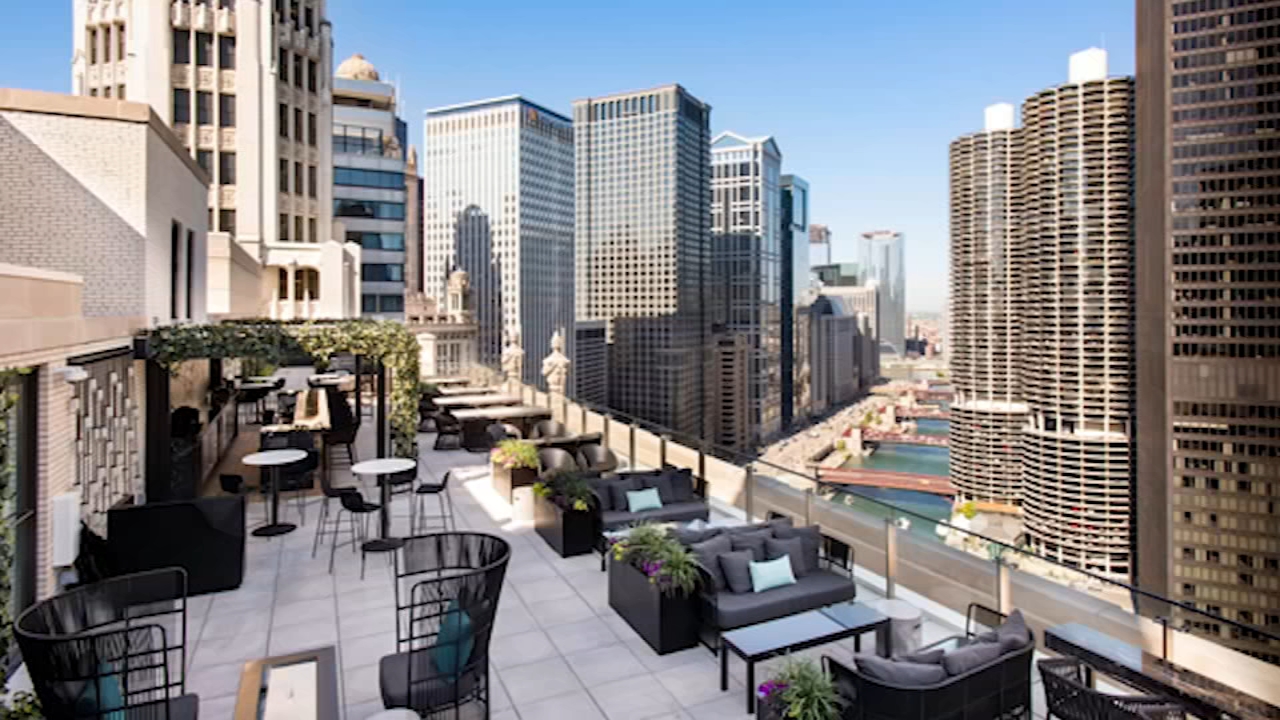
To rigorously analyze the top urban rooftop hotels in america, one must move past the aesthetic surface and into the operational integrity of the property. A common misunderstanding in the hospitality sector is the conflation of “height” with “quality.” In the reality of urban hospitality, the “best” properties are those that successfully manage the “Atmospheric Paradox”—the challenge of providing an open-air experience that feels connected to the city but is shielded from the relentless noise of traffic and the mechanical vibration of the building’s own infrastructure.
Oversimplification often occurs when properties are ranked solely by their “Instagrammability.” While visual appeal is a component, the top-tier hotels are defined by their “Operational Seamlessness.” This refers to how a hotel manages the high-volume public access of a rooftop bar without compromising the privacy and tranquility of the guest rooms located directly beneath the social floor.
Furthermore, the “American” context requires a nuanced appreciation for regional physics. A rooftop in the humid density of Miami requires an entirely different set of environmental mitigations than one in the high-wind, high-seismic environment of San Francisco or the seasonal extremes of Chicago.
The Historical Migration of the American Social Apex
The American hotel roof has undergone a three-stage evolution. In the late 19th century, the “Roof Garden” emerged as a climatic necessity—a place for the urban elite to escape the stagnant air of the lower floors before the advent of mechanical cooling. By the 1920s, these spaces transformed into “Ballrooms in the Clouds,” sites of Jazz-age performance that emphasized social hierarchy and vertical distance.
The mid-century era saw a retreat inward as central air conditioning made the “sealed box” the standard of luxury. However, the late 1990s and early 2000s witnessed a “Boutique Renaissance,” rediscovering the roof as a site of social exclusivity. Today, we are in the “Active Roof” era, where the rooftop is no longer an optional amenity but a primary revenue driver, often generating more profit per square foot than the rooms themselves. This migration demonstrates that the social center of the American city has permanently moved upward.
Conceptual Frameworks for High-Altitude Hospitality
To evaluate these properties, we apply three primary mental models.
The “Acoustic-Atmospheric Shadow”
This model evaluates how a building’s architecture creates “micro-pockets” of comfort. The best hotels use “baffles” and glass partitions to ensure that guests can hold a conversation without the wind knocking over their glassware, even on a 50th-floor terrace.
The “Vertical Transit Constraint”
This framework assesses the hotel’s circulatory system. In many top hotels, the “elevator logic” is the primary failure point. A property that forces overnight guests to share an elevator bank with 500 public visitors for a rooftop bar is an operational failure.
The “Contextual Vista” Theory
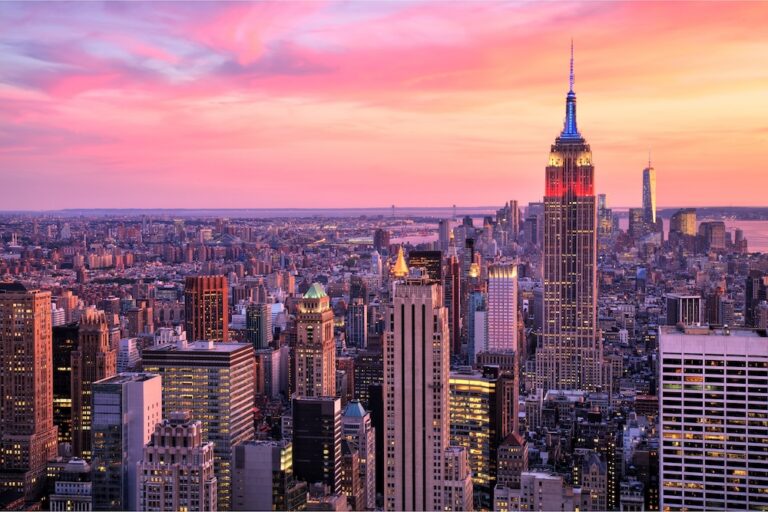
This focuses on the “depth of field.” A rooftop that looks directly into an adjacent office building has less value than one that provides a “layered” view—combining foreground architectural detail with distant natural horizons (e.g., the New York skyline vs. the Hudson River).
Taxonomy of Urban Rooftops and Regional Trade-offs
The American market for rooftop hospitality is segmented by architectural intent and geographic necessity.
| Category | Primary Feature | Primary Trade-off |
| The Sky-Deck | Extreme height (40+ floors); 360° views. | High wind-shear; feels “detached” from city life. |
| The Podium Roof | Lower height (5–10 floors); large footprint. | Views are often “occluded” by taller buildings. |
| The All-Season Conservatory | Retractable glass; climate control. | Reduced “al-fresco” feeling; high energy load. |
| The Garden Sanctuary | Extensive greenery; biophilic design. | High maintenance; seasonal availability. |
| The Heritage Terrace | Historic masonry; intimate scale. | Limited modern amenities; ADA accessibility challenges. |
Choosing among the top urban rooftop hotels in america requires weighing the “Drama of Height” against “Human-Scale Comfort.”
Detailed Real-World Scenarios in Vertical Operations
Consider the “Friday Night Saturation” in a Manhattan luxury tower. The rooftop bar is at capacity with 300 non-guests.
-
Failure Mode: If the hotel lacks a “dedicated guest elevator,” residents trying to return to their rooms face 15-minute wait times.
-
Second-Order Effect: The “premium” of the guest room is invalidated by the logistics of the rooftop, leading to “Review Decay” on travel platforms.
In another scenario, consider a Denver rooftop during a “Spring Squall.”
-
Success Mode: Properties with “rapid-response” retractable systems and “radiant floor heating” can transition guests in under 120 seconds, maintaining revenue and guest comfort despite the weather shift.
Planning, Cost, and Resource Dynamics
The economic reality of high-altitude hospitality involves significant premiums and hidden costs.
| Expense Item | Typical Premium (%) | Operational Limit |
| Rooftop “Top-Floor” Room | 20% – 45% | Highest noise risk from the social deck. |
| Pool “Daybed” Rental | $250 – $1,200 | Often excludes overnight guests; public access. |
| Beverage Surcharge | 30% – 60% | The “View-Tax” integrated into pricing. |
| Service Wait Time | +15 Minutes | Inherent to vertical supply chains. |
Strategies and Support Systems for Property Selection
-
Elevator Logic Audit: Before booking, verify if the hotel has “dedicated guest-only” lifts to the rooftop.
-
The “Shadow” Map: Use satellite tools to see if neighboring skyscrapers block the sun on the pool deck during the hours of 12 PM to 4 PM.
-
Vibration Verification: Request a room at least three floors below the rooftop to avoid the “sub-woofer resonance” that travels through concrete frames.
-
Public vs. Private Balance: Check if the rooftop is “Guest Only” during specific hours; top-tier hotels often reserve the mornings for residents.
The Risk Landscape: Failure Modes in Elevated Design
-
The “Venturi Effect”: When wind accelerates between two buildings, making a rooftop terrace physically uncomfortable or even dangerous for glassware and furniture.
-
Mechanical Cross-Contamination: When kitchen exhaust from the hotel’s main restaurants is vented near the rooftop pool, ruining the sensory experience.
-
The “Fishbowl” Effect: When the rooftop is overlooked by hundreds of offices in a nearby tower, stripping away the feeling of exclusivity.
Governance, Maintenance, and Long-Term Adaptation
Operating a top-tier rooftop requires a specialized maintenance cycle. Because these spaces are exposed to higher UV levels and urban pollution, furniture and glass must be treated or replaced at 3x the rate of ground-level assets. Governance also involves “Sound Mapping”—using digital limiters to ensure that the “social floor” does not exceed decibel levels that trigger sleep disturbances for guests below.
Common Misconceptions and Strategic Oversights
-
“Higher is always better”: Often, the most iconic views are from the 10th or 15th floor, where you are still at the “eye-level” of the city’s architectural details.
-
“Pools are always heated”: In many urban American hotels, rooftop pools are unheated and purely ornamental for 9 months of the year.
-
“Rooftops are private”: The vast majority of rooftop bars in America rely on public revenue to survive; “exclusivity” is often a marketing veneer.
-
“Modern buildings are quieter”: Glass towers often transmit vibration more efficiently than old masonry buildings.
Synthesis and Editorial Judgment
The search for the top urban rooftop hotels in america is ultimately a search for architectural harmony. The roof is the one place where a hotel’s operational flaws are most exposed—the elements are too harsh, the logistics too complex, and the guest expectations too high for anything less than perfection