American City View Destinations USA: An Editorial & Strategic Analysis
The American urban landscape is a study in layered history, defined not just by the footprint of its streets but by the ambition of its vertical reach. The fascination with the urban vista is a fundamental component of domestic travel, yet the way we consume these views has evolved from passive observation to a structured, multi-billion-dollar industry. To stand at an elevated vantage point in an American metropole is to engage with a complex intersection of real estate, psychology, and structural engineering.
This reorientation toward the sky is a response to the “density friction” of the modern city. In an era where ground-level space is increasingly commodified and congested, the elevated viewpoint provides a necessary psychological release—a way to reconcile the intensity of the grid with the openness of the horizon. These destinations function as environmental interfaces, where the rigidity of steel meets the fluidity of the atmosphere, allowing the observer to possess the city through sight without being consumed by its noise.
This editorial analysis provides a rigorous framework for evaluating the landscape of american city view destinations usa. By moving beyond the promotional rhetoric of observation decks, we investigate the systemic variables—from the physics of atmospheric haze to the economics of “vertical time-tax”—that dictate the quality of a metropolitan vista.
Understanding “american city view destinations usa”
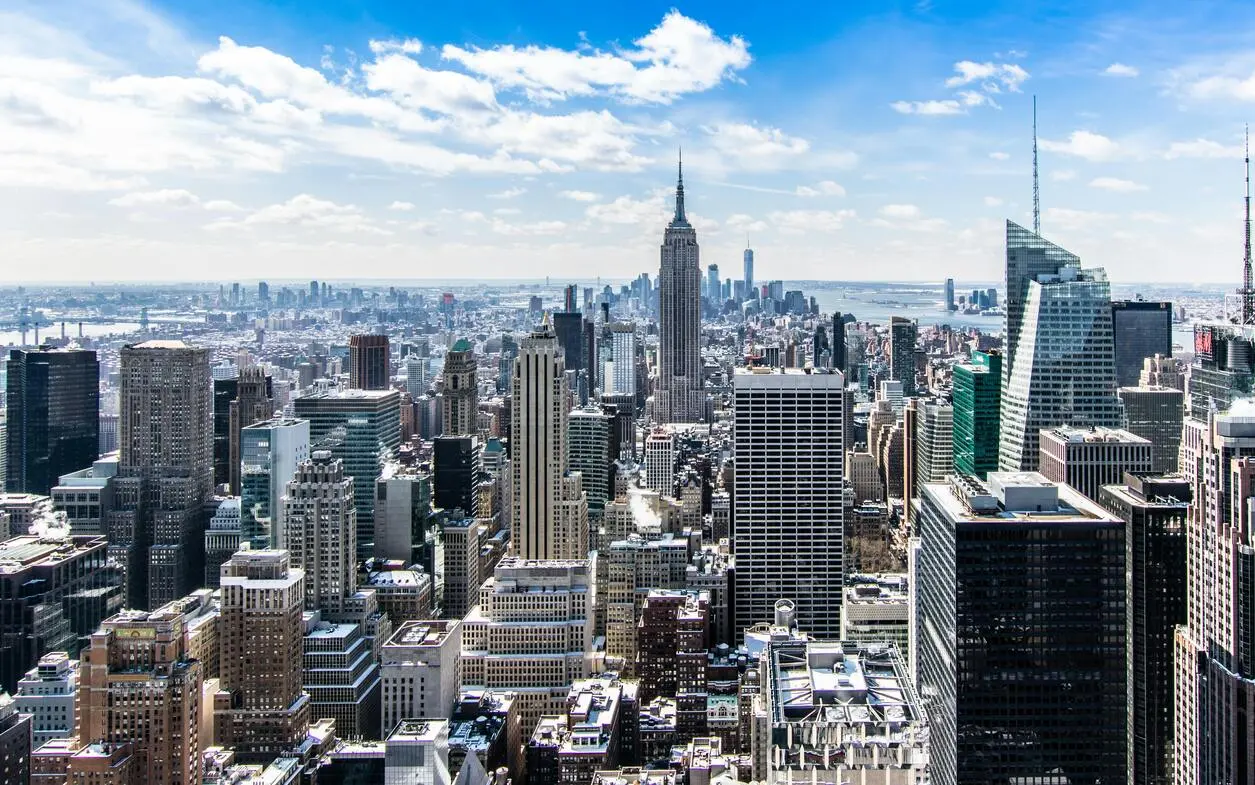
To rigorously analyze american city view destinations usa, one must move past the aesthetic surface and into the operational integrity of the site. A common misunderstanding in the tourism sector is the conflation of “highest” with “best.” When a viewpoint exceeds a certain altitude, the city ceases to be a living organism and becomes a flat, abstract map, losing the “vibrancy” that travelers seek.
Oversimplification occurs when a destination is judged solely by its Instagrammability. While visual appeal is the hook, the superior destinations are those that successfully manage the “Acoustic-Atmospheric Paradox.” This is the challenge of providing an open-air or high-transparency experience that feels connected to the city but is shielded from the relentless noise of offshore winds, traffic, and mechanical vibration. A site that fails to manage these sensory inputs—leaving the visitor feeling hermetically sealed or physically battered by the wind—cannot be considered a top-tier destination.
Furthermore, the “American” context requires a nuanced appreciation for regional physics. A viewpoint in the humid, low-rise density of New Orleans requires an entirely different set of environmental mitigations than one in the high-wind, high-seismic environment of San Francisco or the sub-zero winters of Chicago. Authority in this domain involves identifying the sites that have been specifically engineered to harmonize with their unique urban micro-climates, turning environmental constraints into part of the visual narrative.
The Historical Evolution of the Urban Vantage Point
The American obsession with the city view has moved through three distinct eras. In the late 19th century, the first “Sky-Scrapers” in New York and Chicago used their heights primarily as a demonstration of corporate power; the public was rarely invited to the top. By the 1930s, the “Golden Age of Observation” began, marked by the Empire State Building’s realization that the view itself was a marketable commodity. This era emphasized social hierarchy—the higher you stood, the further you were from the “unrefined” street.
The mid-century era saw the rise of the “Rotating Restaurant” and the leisurely vista, which eventually gave way to the current “Experiential Era.” Today, a city view destination is no longer just a platform; it is a multi-sensory environment incorporating digital overlays, glass floors, and high-speed vertical transit. The view has transitioned from a passive backdrop to an active, tech-integrated performance, reflecting a broader shift in how we consume the American city.
Conceptual Frameworks for Visual Asset Evaluation
Systemic evaluation of these destinations requires applying specific mental models.
The “Vertical Time-Tax” Model
This framework assesses the logistical friction of a destination. Every minute spent in security lines and elevators is a “tax” on the viewer’s experience. The best destinations optimize this transit, turning the ascent itself into a narrative beat rather than a bureaucratic delay.
The “Iconic Density” Framework
This measures the “value per glance.” In cities like Washington D.C. or New York, the density of recognizable landmarks within a 180-degree field of vision determines the site’s authoritative status. A view of a generic industrial park, regardless of its height, carries low iconic density.
The “Acoustic-Atmospheric Shadow”
This evaluates how well a site creates a “pocket” of comfort. The best destinations use setbacks and transparent baffles to ensure that guests can enjoy the city without the wind knocking over their gear or the noise of nearby HVAC units drowning out conversation.
Taxonomy of Vantage Points and Regional Trade-offs
American city view destinations are segmented by their architectural intent and geographic necessity.
| Category | Primary Feature | Primary Trade-off |
| The Ultra-High Deck | 70+ floors; 360° panoramas. | Views can feel “detached” and flat; high wind-shear. |
| The Natural Apex | Views from hills or cliffs (e.g., San Francisco). | Subject to fog/weather; often lacks amenities. |
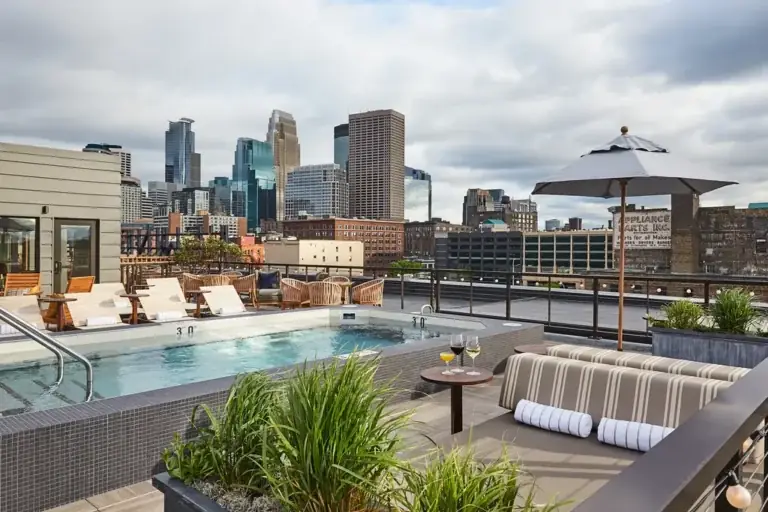
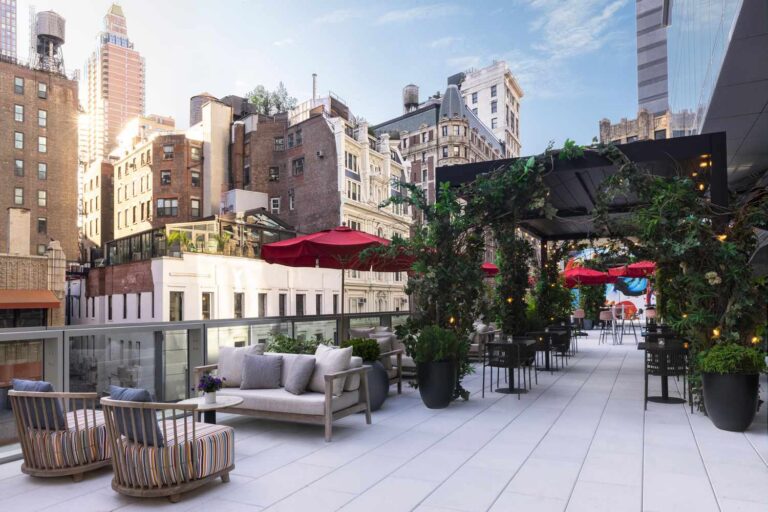
| The Podium View | Low-to-mid elevation (5–15 floors). | Maintains connection to street life; views often occluded. |
| The Historic Balcony | Heritage masonry; limited capacity. | Restricted floor plans; ADA accessibility challenges. |
| The Bridge/Pier | Water-level vistas looking back at skyline. | High exposure to elements; limited “height” drama. |
Decision logic for the viewer involves weighing “Prestige of Height” against “Human-Scale Clarity.”
Detailed Real-World Scenarios in Vertical Operations
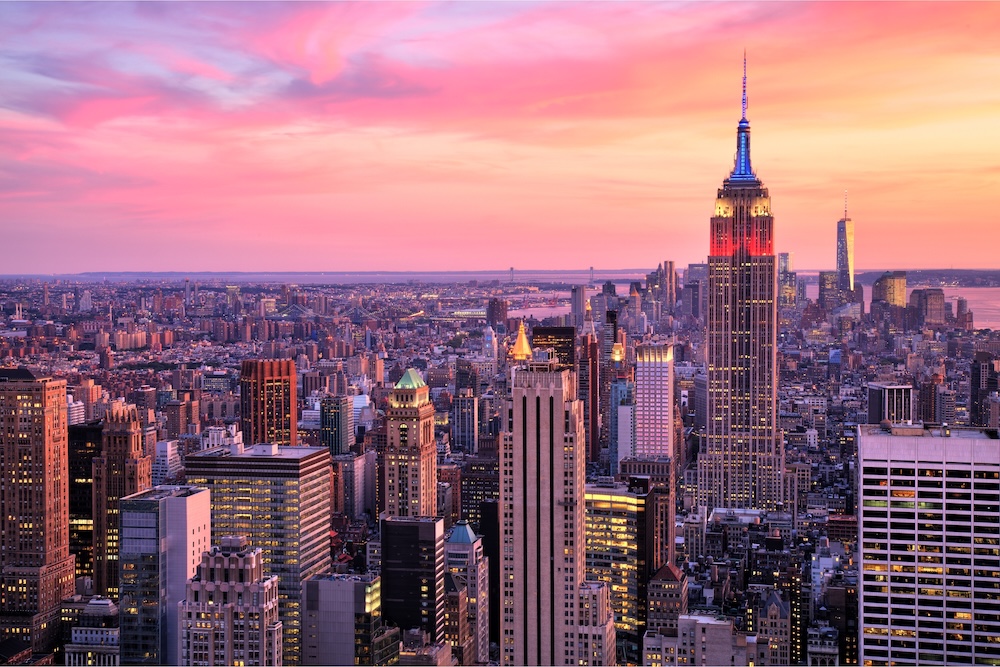
Consider the “Sunset Saturation” in a New York City observation deck. The site is at 100% capacity during the 20-minute window of the “Golden Hour.”
-
Failure Mode: If the site lacks “crowd-flow” architecture, visitors congregate at the western glass, creating a safety hazard and a degraded experience for those behind them.
-
Success Mode: Properties that use tiered platforms or “timed-entry” zones ensure that the view remains a premium asset rather than a mosh pit.
In another scenario, consider a Seattle vantage point during a “Pacific Mist” event.
-
Success Mode: Destinations that integrate “Active Glass” or digital overlays can show the visitor what the city would look like on a clear day, maintaining the value proposition even when the weather fails to cooperate.
Planning, Cost, and Resource Dynamics
The economic reality of urban vistas involves significant premiums and hidden costs.
| Expense Item | Typical Range | Operational Limit |
| Standard Admission | $30 – $60 | Often includes 1-2 hours of “dwell time.” |
| The “Fast-Pass” Premium | +$20 – +$50 | Reduces the “Vertical Time-Tax” significantly. |
| Golden Hour Surcharge | +15% – +25% | Pricing fluctuates with sunset times. |
| Equipment/Bar Minimum | $25 – $100 | Often required for seating in the best locations. |
Strategic planning requires booking “Transition Hours” (4:00 PM – 7:00 PM) to witness the city move from daylight to the “Electric Grid” phase, maximizing the visual ROI.
Strategies and Support Systems for Viewer Navigation
-
Transit Hub Audit: Verify the distance from the nearest subway or parking to the actual “elevator bank.”
-
Weather-Window Booking: Use specialized “visibility” apps rather than standard weather apps to check for haze or smog levels.
-
Height-Clarity Trade-off: Specifically look for destinations between the 10th and 30th floors for the best “architectural intimacy.”
-
Acoustic Mapping: Check if the destination is “Open Air.” If it is, bring wind-resistant gear, as temperatures at 800 feet can be 10-15 degrees cooler than at street level.
The Risk Landscape: Failure Modes in Scenic Design
-
The “Fishbowl” Effect: When a viewpoint is so surrounded by other buildings that it feels claustrophobic despite the height.
-
Glare-Saturation: When the interior lighting of an observation deck reflects off the glass at night, making it impossible to see or photograph the city outside.
-
Mechanical Resonance: When the building’s own HVAC or elevator motors create a persistent “hum” that prevents a sense of tranquility.
Governance, Maintenance, and Long-Term Adaptation
Operating a top-tier city view destination requires a specialized maintenance cycle. Governance involves “Luminance Control”—working with city planners to ensure that nearby developments do not “light-pollute” the vista or block iconic sightlines through “view-corridor” legislation.
Common Misconceptions and Strategic Oversights
-
“Cloudy days are a waste”: Low clouds can create a “sea of mist” effect that is often more dramatic than a clear sky.
-
“Observation decks are for tourists”: In many American cities, these sites are the only way to understand the city’s geographic and historical “logic.”
-
“Higher is always better”: High-altitude views (1,000+ feet) often make the city look like a toy model, stripping away its character.
-
“The view is free from a hotel bar”: You will often pay the “View-Tax” through marked-up beverage prices and limited seating times.
-
“Night views are the best”: You lose all architectural depth at night; the “Blue Hour” (just after sunset) provides the best balance of light and detail.
Synthesis and Editorial Judgment
The search for american city view destinations usa is ultimately a search for clarity. For the traveler, the reward is a moment of absolute stillness in the center of the world’s most energetic environments—a perspective that is both expansive and deeply personal.