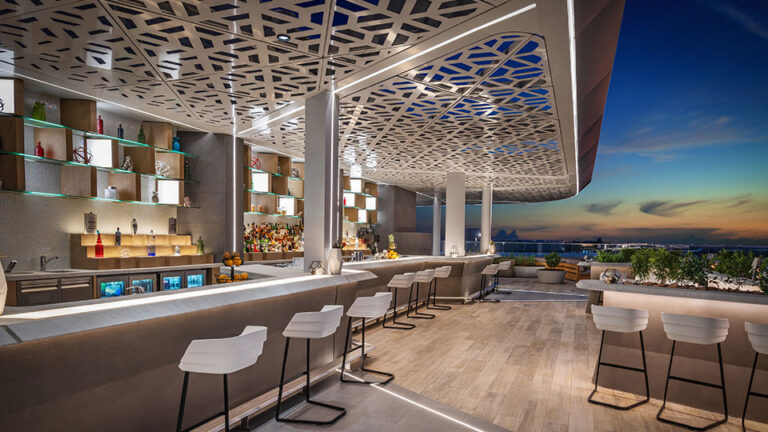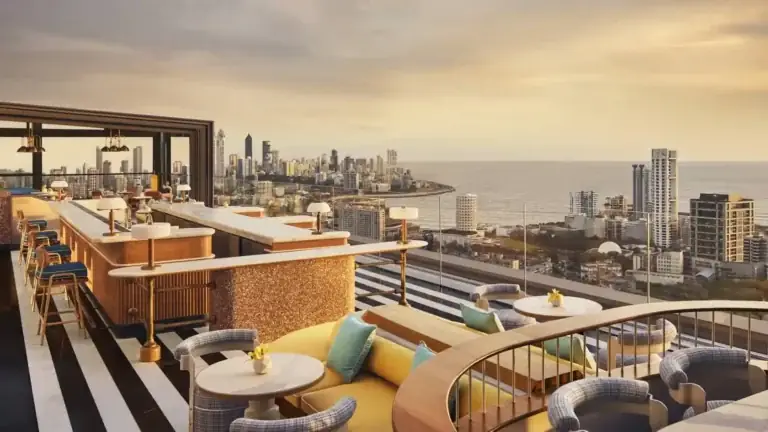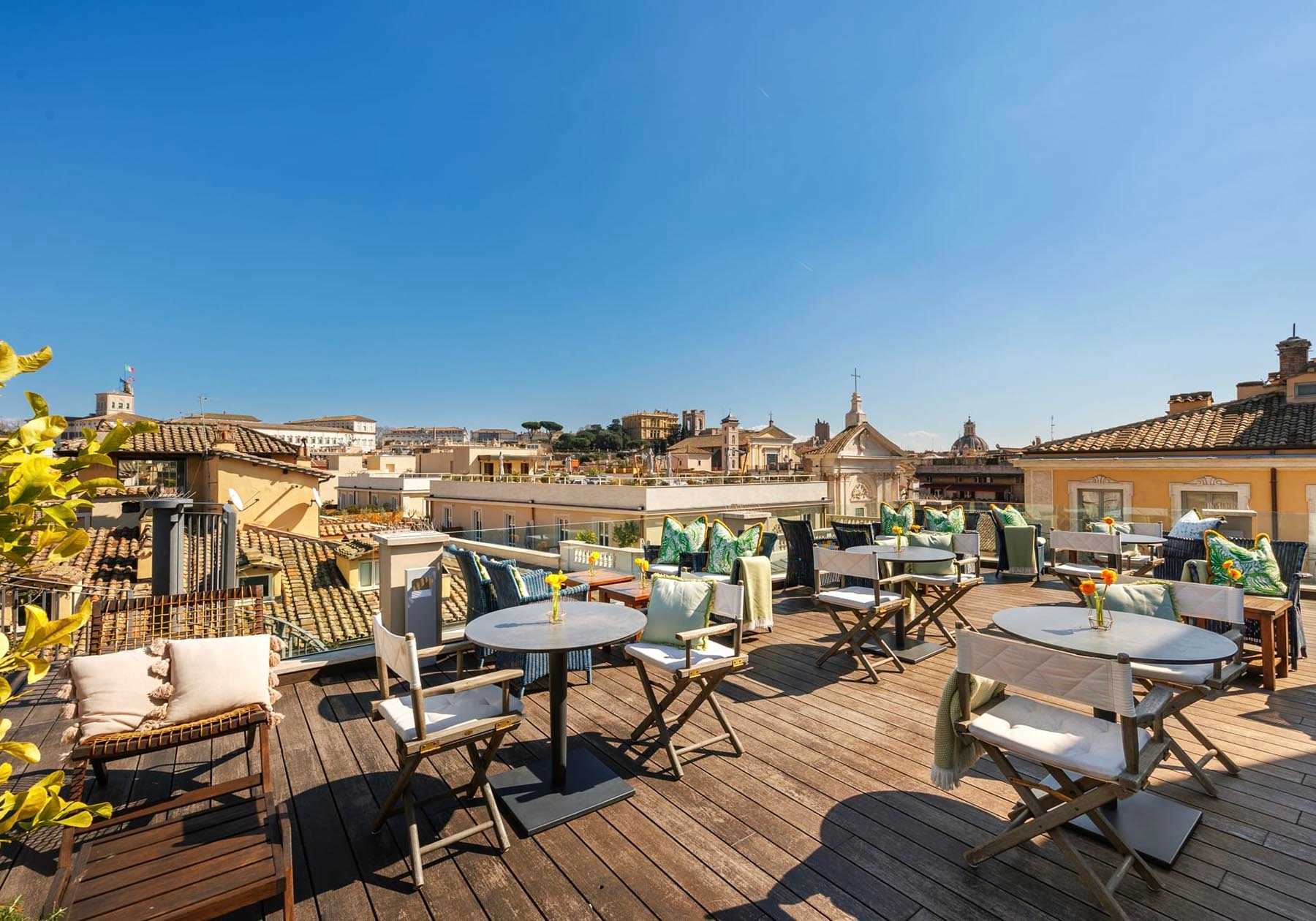
Top Rooftop Hotel Hospitality Packages: A Strategic Editorial Analysis
The modern luxury hotel is no longer a monolithic structure defined by the quality of its linens or the grandeur of its lobby. Instead, the architectural and economic focus has migrated upward, culminating in the rooftop as the primary engine of brand identity and revenue. This migration has necessitated the development of a highly specialized sub-market: the “Elevated Hospitality” sector. The transition from a “view for all” to a “curated summit experience” reflects a broader shift in global tourism toward the commodification of height, privacy, and atmospheric control.
For the corporate event planner, the luxury traveler, or the institutional investor, understanding the architecture of these offerings is a matter of logistical necessity. A rooftop is not a flexible environment; it is a rigid, high-exposure platform governed by strict weight limits, wind-load tolerances, and fire-safety egress codes. Consequently, the packages designed for these spaces are not merely marketing bundles but operational blueprints.
The challenge in contemporary hospitality lies in the dilution of the term “premium.” As urban rooftops become increasingly crowded, the distinction between a high-traffic lounge and a genuine elite asset becomes blurred. To identify the most effective and valuable offerings, one must look beneath the aesthetic surface to examine the “Service-to-Square-Foot” ratio and the robustness of the “Weather Contingency” frameworks. This editorial analysis provides a definitive guide to the systemic logic of these elevated assets, offering a framework for evaluating the sophisticated products that currently define the pinnacle of urban hospitality.
Understanding “top rooftop hotel hospitality packages”
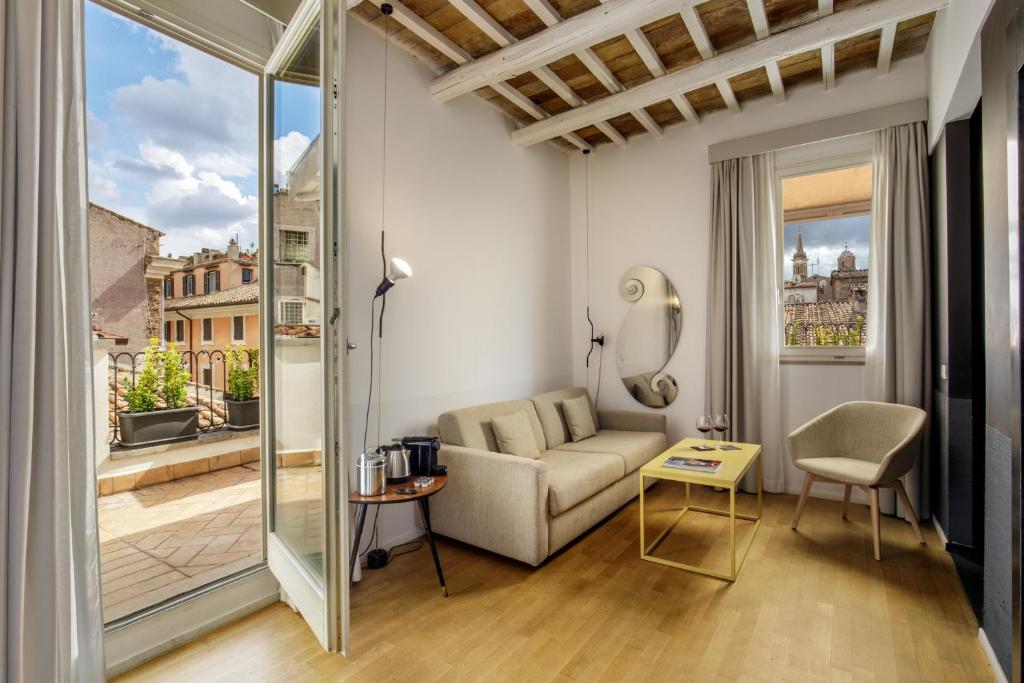
To rigorously evaluate top rooftop hotel hospitality packages, one must first decouple the “View” from the “Service Architecture.” In a high-demand urban environment, the true luxury is not just seeing the city, but bypassing the logistical hurdles required to do so. This includes private elevator bypasses, guaranteed “Edge-Seating” in the architectural plan, and dedicated BOH (Back-of-House) service teams that do not share resources with the main hotel floors.
Oversimplification frequently occurs when evaluating “All-Inclusive” rooftop offerings. Many venues present a package that seems comprehensive but fails to account for the “Atmospheric Variability” of a roof. A package that promises a sunset dinner but lacks a “Guaranteed Indoor Pivot” in the event of a 20-mph wind gust is a structurally flawed product. To truly understand these packages, one must view them as “Risk-Managed Experiences.” The premium paid is not just for the champagne or the vista; it is for the assurance that the environment will remain curated regardless of external urban or climatic stressors.
A hotel allocates its rooftop square footage based on a “Per-Hour Revenue” target that is significantly higher than that of its ground-floor assets. When you compare top rooftop hotel hospitality packages, you are essentially comparing how different brands value their “Limited Inventory.” Some prioritize “High-Volume Social Energy,” while others focus on “Low-Density Privacy.” The latter usually commands a much higher price point because the “Cost of Vacancy” for a private rooftop pod is extreme.
Contextual Background: The Evolution of the Amenity Deck
The historical trajectory of the rooftop began as a “Mechanical Exclusion Zone.” In the early 20th century, the roof was where the building “breathed,” housing water tanks, elevator motors, and laundry lines. The first shift occurred in the 1920s with the “Sky Garden” movement in cities like New York, where architects began to realize that the “Top of the World” sentiment could be monetized for the social elite. However, these were seasonal, primitive versions of modern assets.
The contemporary era of “Full-Stack Rooftop Hospitality” was triggered by three technological advancements: high-speed, high-capacity exterior elevators; advanced glazing and wind-mitigation glass; and the “Instagram-ability” of the skyline. Today, the rooftop is the most photographed part of a hotel, which has forced hospitality groups to move from simple “Happy Hour” setups to “Multi-Tiered Package Architectures.”
Conceptual Frameworks for Vertical Asset Evaluation
To analyze hospitality packages with editorial depth, we apply three primary mental models.
The “Horizon-to-Guest” Proximity Model
This framework measures the value of a package based on the physical distance between the guest’s seat and the building’s edge. “Tier 1” packages offer “Unobstructed Perimeter Access,” while lower tiers move toward the “Core,” where the view is fragmented. The most valuable packages are those that guarantee “Corner-Node” seating, providing a 270-degree perspective.
The “Vertical Service Lag” Calculation
The cost and quality of a rooftop package are intrinsically linked to “Service Speed.” Because rooftop kitchens are often smaller or non-existent, food must travel via service elevators. This model evaluates a package based on whether it has “Point-of-Service” (POS) autonomy—meaning the rooftop has its own dedicated kitchen and bar, preventing the “Cold Food” failure mode common in lower-end hotels.
The “Atmospheric Envelope” Theory
This evaluates the package based on its “Environmental Control.” A package is only as good as its ability to mitigate the sun, wind, and noise. We look for “Layered Mitigation”: the use of retractable roofs, radiant floor heating, and acoustic dampening materials that separate the “Serenity of the Sky” from the “Clamor of the Street.”
Key Categories of Hospitality Packages and Strategic Trade-offs
Navigating the diversity of top rooftop hotel hospitality packages requires a taxonomy based on “Access Intensity” and “Operational Complexity.”
Realistic decision logic involves the “Privacy-to-Energy” ratio. If the goal is networking, the “Nightlife Apex” is superior. If the goal is a confidential negotiation, the “Private Observatory” is the only rational choice.
Detailed Real-World Scenarios in Package Execution
Scenario A: The “Micro-Climate” Failure
A luxury hotel in a coastal city sells a “Gala Rooftop Package” for 200 guests.
-
The Constraint: An unpredicted “Marine Layer” (heavy fog and 15-degree temperature drop) rolls in at 7:00 PM.
-
The Execution: A top-tier package would have “Pre-Staged Thermal Wraps” and an “Immediate Interior Transition” plan already staffed. A mid-tier package leaves guests shivering at the perimeter, leading to a 50% early departure rate.
Scenario B: The “Logistics Bottleneck”
A corporate retreat books the “Executive Summit” package on a 40th-floor roof.
-
The Constraint: The hotel only has two guest elevators, and a “Wedding Party” is checking in at the same time.
-
The Solution: The best packages include “Dedicated Lift Control,” where one elevator is sequestered specifically for the rooftop event, ensuring guests aren’t trapped in the lobby for 20 minutes.
Scenario C: The “Acoustic Interference” Scenario
An intimate dinner package is booked on a roof that shares space with a public bar.
-
The Conflict: The public bar has a DJ starting at 9:00 PM.
-
The Second-Order Effect: Without “Sonic Zoning” (physical glass barriers or directional speakers), the dinner conversation becomes impossible. A premium package would guarantee a “Quiet Zone” with a 15-decibel reduction from the main bar.
Planning, Cost, and Resource Dynamics
The economic reality of rooftop hospitality is defined by “Vertical Scarcity.”
“Opportunity Cost” for the hotel is the biggest driver. If a private group occupies a section of the roof, the hotel loses the “Walk-in” revenue from the bar. Therefore, the package price must exceed the “Projected Public Spend” by at least 25% to be viable for the operator.
Tools, Strategies, and Support Systems
To navigate and secure the best offerings, professional planners utilize these strategic levers:
-
Shadow Inventory Monitoring: Many “Top” packages are never listed on the website. They are held in “Ghost Inventory” for direct inquiries or high-spend corporate accounts.
-
The “Double-Down” Booking: Reserving a penthouse suite directly below the rooftop to use as a “Staging Area” or private lounge if the roof becomes too crowded.
-
Wind-Speed Apps: Using professional-grade anemometer apps to predict “Comfort Levels” at height before confirming a booking.
-
Load-Limit Verification: For events involving heavy décor or stages, checking the “Point-Load” capacity of the terrace floor.
-
Vertical Egress Audits: Ensuring the package includes a safety briefing, as evacuating a roof is significantly more complex than a ground floor.
-
Service Elevator Sequestration: Negotiating for “Priority Lift Access” in the contract to ensure catering speed.
Risk Landscape and Failure Modes
-
“The Parapet Blind-Spot”: A package is sold with “Skyline Views,” but when guests sit down, the safety wall (parapet) is at eye-level, blocking the view. This is a “Sightline Failure.”
-
“The Drainage Trap”: In heavy rain, rooftop drains can clog. If the package doesn’t account for “Standing Water” management, the luxury experience quickly turns into a logistical mess.
-
“The Wind-Tunnel Effect”: Between skyscrapers, wind speeds can double. A “Perfect Day” at street level can be a “Gale Force” disaster on the 50th floor.
Governance, Maintenance, and Long-Term Adaptation
Rooftop packages must be “Audited” seasonally.
-
Review Cycles: Every 6 months, the “Asset Quality” should be checked. Is the outdoor furniture UV-faded? Is the wind-shield glass scratched?
-
Adjustment Triggers: If the “Revenue-per-Minute” on the roof drops below the “Standard Room Rate” average, the hospitality packages must be redesigned for higher density or higher spend.
-
Layered Checklist: A “Pre-Flight” checklist for every rooftop event, covering wind speed, elevator functionality, and “BOH-to-Roof” communication lines.
Measurement, Tracking, and Evaluation
How do we quantify the success of these packages?
-
Leading Indicators: Number of inquiries for “Shadow Inventory”; Average Lead Time for booking (longer is better for authority).
-
Lagging Indicators: “Social Media Impressions per Guest”; “Vertical Revenue Premium” (the % increase in spend on the roof vs. the lobby).
-
Documentation Examples: “The Wind-Log” (tracking when events were moved inside); “The Service-Time Tracker” (measuring how long it takes for a drink to travel from the bar to the perimeter).
Common Misconceptions and Strategic Oversights
-
“Higher is Always Better”: False. A 10th-floor roof often provides a better “Visual Connection” to the city’s architecture than a 90th-floor roof where everything looks like a toy.
-
“Retractable Roofs Solve Everything”: They solve rain, but they often ruin the “Open-Air” acoustic and thermal feel, making the space feel like a greenhouse.
-
“VIP Means Private”: On many rooftops, “VIP” just means a slightly better table in the middle of a very loud crowd.
-
“The Food is the Same as the Main Restaurant”: It rarely is. Logistics mean the menu must be simplified. The package is for the place, not the plate.
-
“The Sunset is the Only Time that Matters”: “Blue Hour” (the 30 minutes after sunset) is actually the highest-value time for photography and atmosphere.
-
“Pool Access is Included”: Many rooftop hospitality packages specifically exclude pool use to prevent “Wet-Guest/Dry-Guest” social friction.
Conclusion
The strategic selection of top rooftop hotel hospitality packages is a masterclass in balancing “Architectural Constraint” with “Aspirational Experience.” As cities grow more vertical, the roof becomes the final bastion of exclusivity. A successful package is one that acknowledges the inherent hostility of the high-altitude environment—the wind, the sun, the logistical lag—and transforms it into a seamless, curated sanctuary. Whether for a corporate milestone or a private celebration, the value of the rooftop lies in its ability to offer a “Refined Perspective,” provided the service architecture below is as solid as the building itself.