Top Island Rooftop Experiences in America: A Definitive Editorial Analysis
However, a sophisticated hybridization has emerged within the last decade, where the architectural ambition of the skyscraper meets the geological isolation of the island. These top island rooftop experiences in america represent a unique segment of the luxury market, one that must reconcile the rigid constraints of island logistics—limited resources, corrosive salt air, and strict height ordinances—with the high-expectation service models of modern vertical hospitality.
Unlike mainland rooftops, which often compete with adjacent structures for a “slice” of the view, island rooftops offer what architects call “unobstructed ocular infinity.” Because many American islands, from Key West to Martha’s Vineyard and the Hawaiian chain, maintain low-rise zoning laws, a single rooftop elevation of even four or five stories becomes a dominant vantage point. This creates a psychological sense of “sovereign perspective,” where the guest is not merely observing a city but is visually commanding the intersection of land and sea. This editorial analysis examines the systemic complexity of these assets, deconstructing how they operate as both engineering marvels and cultural landmarks.
To understand these experiences, one must move beyond the superficiality of travel lists. An island rooftop is a high-exposure platform subject to “Aerosolized Salinity”—a constant mist of salt that degrades standard building materials at an accelerated rate. Consequently, the venues that qualify as “top” in this category are those that demonstrate a mastery of material science and environmental integration. They are spaces that utilize “Biophilic Shielding” to protect guests from trade winds while maximizing the sensory connection to the maritime environment. This guide serves as a definitive reference for the structural, economic, and experiential logic governing these elevated island sanctuaries.
Understanding “top island rooftop experiences in america”
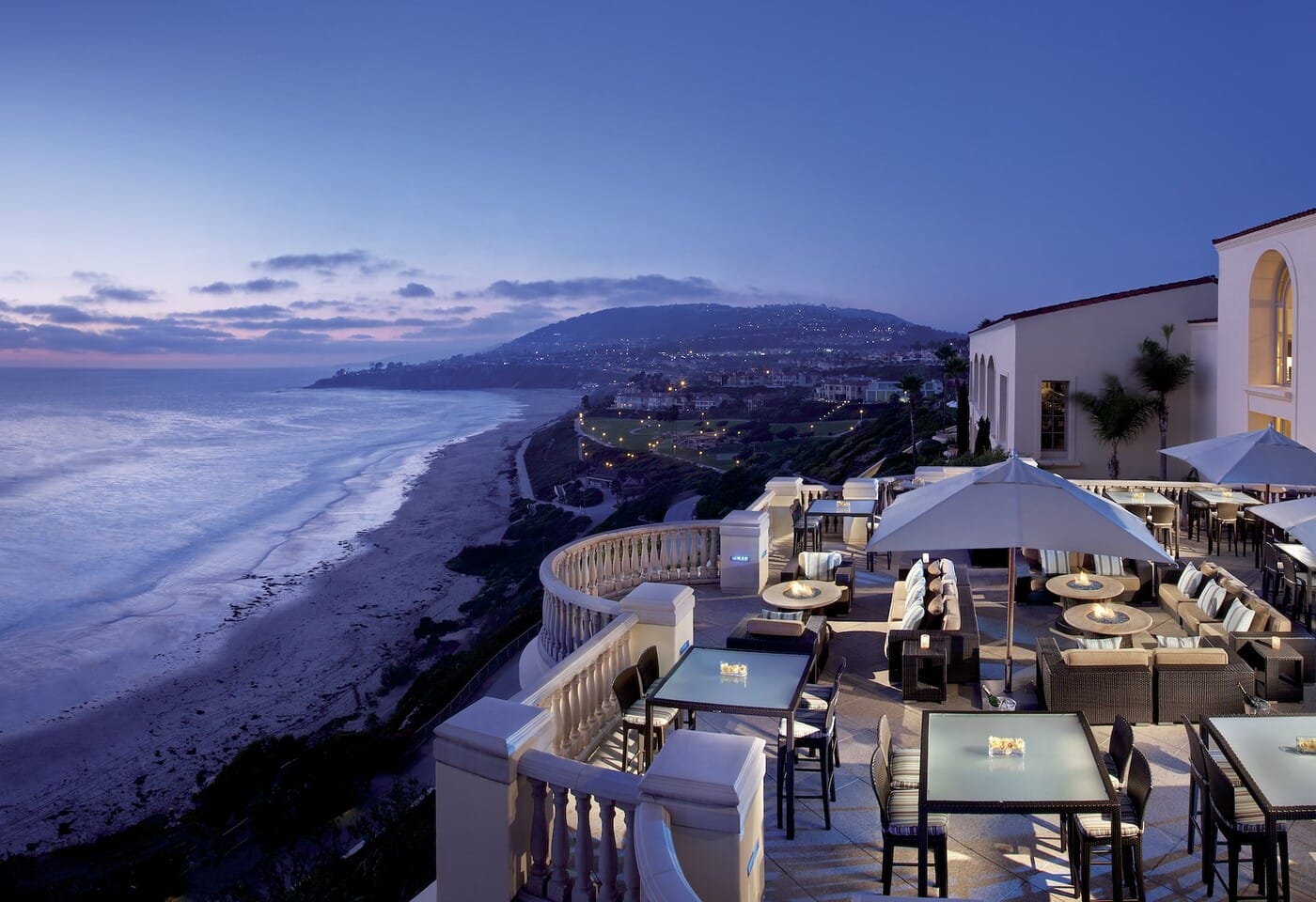
To rigorously evaluate top island rooftop experiences in america, we must differentiate between “Elevation” and “Perspective.” A common misunderstanding in the hospitality sector is that the highest rooftop is inherently the best. On an island, height can actually be a deterrent; as one moves higher, the visceral sound of the surf is lost, and the “Detail of the Shore” is replaced by a flat, abstract blue.
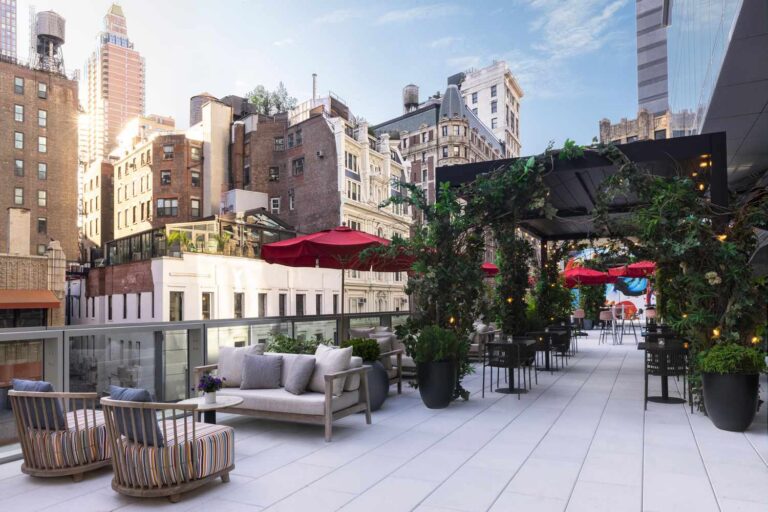
In many American island jurisdictions, the rooftop is the “Primary Climate Controller” of the hotel. Because islands lack the “Heat Island” effect of major cities, rooftops are subject to rapid temperature shifts and high-velocity wind gusts known as “Aeolian Compression.” A venue that serves as a spectacular sunset lounge in July might be an unusable, wind-swept void in October. Therefore, the “top” experiences are those that feature “Kinetic Architecture”—retractable glass walls, specialized wind-baffling greenery, and radiant heating systems hidden within the deck structure.
Another critical perspective involves “Insular Logistics.” When we analyze these experiences, we are looking for the “Service-to-Isolation” ratio. The most impressive venues are those that maintain five-star mainland service standards despite the friction of island supply chains.
Contextual Background: The Evolution of the Island Summit
Buildings were low, sturdy, and featured pitched roofs designed to shed water and resist lift. The rooftop was a utilitarian space, often used for cisterns or widow’s walks. The transition toward the “Social Summit” began in the mid-20th century with the rise of the “Tropical Modernism” movement in Florida and the Caribbean, which began to experiment with flat-roof social spaces that prioritized the “Golden Hour” gaze.
In the 21st century, the advent of “Salt-Tolerant Alloys” and high-impact glass technology allowed architects to push the boundaries of island height. We saw the rise of the “Sky-Bar” in Honolulu and the “Observation Terrace” in Key West. This evolution moved the island experience from the “Feet in the Sand” trope to the “Head in the Clouds” reality. Today, the island rooftop is the premier “Asset Class” for hospitality developers, often generating more revenue per square foot than the hotel’s ground-floor signature restaurants.
Conceptual Frameworks for Maritime Verticality
To evaluate these venues with editorial depth, we apply three primary mental models.
The “Laminar Flow” Comfort Model
This framework assesses how a rooftop manages air movement. Because islands have high wind exposure, a rooftop that doesn’t account for “Laminar Flow”—the smooth movement of air—will be uncomfortable.
The “Salt-Cycle” Depreciation Theory
Every luxury asset on an island is in a state of “Accelerated Decay” due to the maritime environment. This model evaluates a venue based on its “Material Integrity.” We look for the use of Grade 316 Stainless Steel, Ipe wood, and specialized “Self-Cleaning” glass coatings that prevent salt-crust from obscuring the view.
The “Horizon-to-Habit” Matrix
This evaluates the “Social Purpose” of the roof. On an island, the “Horizon-to-Habit” alignment is critical; a high-energy bar on a quiet, conservation-focused island like Sanibel creates “Vibe Dissonance.”
Taxonomy of Island Rooftop Categories and Trade-offs
Navigating the various top island rooftop experiences in america requires a categorization based on “Geographic Context.”
| Category | Defining Feature | Primary Benefit | Strategic Trade-off |
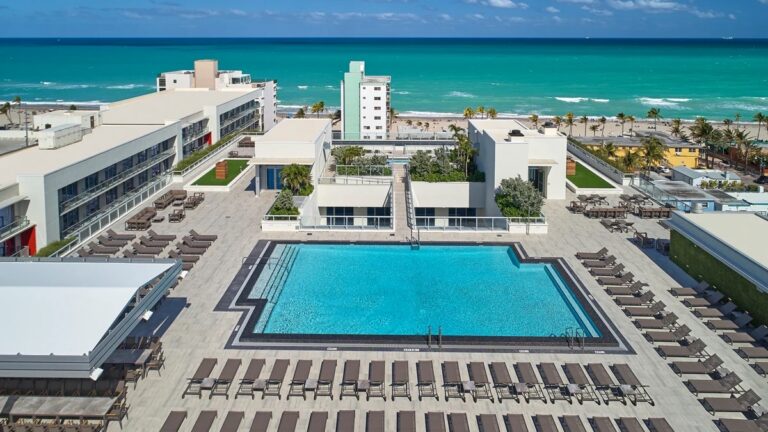
| The Urban-Island High-Rise | 20+ floors (Honolulu/Miami Beach). | Epic scale; cityscape + ocean. | Loss of “Ocean Soundscape”; urban noise. |
| The Low-Rise Terrace | 3-5 floors (Key West/Nantucket). | Intimate; “Village” feel. | Limited horizon; “Neighbor” privacy issues. |
| The Reef-Observation Deck | Built over or adjacent to water. | Intense “Aquatic Connection.” | Extreme corrosion; high maintenance cost. |
| The Garden-Summit | Heavy tropical landscaping at height. | Biophilic comfort; natural shade. | Weight-load issues; “Pest” management on roof. |
| The Lighthouse-Style Pod | 360-degree circular observatory. | Total panoramas; iconic feel. | Small capacity; can feel “cramped.” |
| The Sunset-Stadium | Tiered seating facing West. | Optimized for the “Green Flash.” | “Single-Use” feel; dead space after dark. |
| Realistic decision logic involves the “Time-of-Stay” metric. An “Urban-Island High-Rise” is spectacular for a late-night cocktail, but a “Low-Rise Terrace” is superior for a three-hour dinner where the proximity to the ocean breeze is part of the culinary experience. |
Detailed Real-World Scenarios in Island Management
Scenario A: The “Trade-Wind” Disruption
A luxury hotel on Maui opens a “Cabana-Style” rooftop with light linen curtains.
-
The Conflict: The afternoon trade winds reach 15 mph, turning the curtains into “Whips” that knock over drinks and obscure views.
-
The Logic: Top-tier venues use “Weighted Textiles” or “Tension-Locked” screen systems that allow for the “Look” of linen without the physical chaos of the wind.
-
Failure Mode: A mid-tier venue fails to anchor its cushions, leading to “Vertical Littering”—furniture being blown off the roof into the street or ocean below.
Scenario B: The “Salt-Crust” Visual Failure
A rooftop in Galveston features massive glass balustrades.
-
The Constraint: Within three hours of cleaning, the glass is coated in a thin layer of salt and humidity, turning the “Clear View” into a “Hazy Blur.”
-
The Second-Order Effect: Guests stop taking photos, reducing the venue’s “Social Currency.”
-
Decision Point: Professional venues employ “Automated Squeegee Systems” or “Continuous-Mist” freshwater sprayers that clear salt without guest intervention.
Planning, Cost, and Resource Dynamics
Managing the “Cost of Island Elevation” requires a granular look at the premium of isolation.
| Item | Mainland Rooftop | Island Rooftop | Variance Logic |
| Construction Materials | Standard Steel/Glass | Marine-Grade Alloys | Resistance to “Corrosive Pitting.” |
| Labor (Specialized) | Local Trades | “Imported” Specialists | Islands often lack high-rise tech workers. |
| Supply Chain | Truck/Rail | Barge/Air-Freight | Every “Bottle of Rum” costs 15% more to land. |
| Utility Pumping | Standard City PSI | High-Pressure Pumping | Getting water/ice to a roof in an old island grid. |
| Variability in these costs is driven by the “Bridge-Status” of the island. An island connected by a bridge (like Coronado) has significantly lower overhead than a “True Island” (like Catalina). |
Tools, Strategies, and Support Systems
To navigate the complexity of top island rooftop experiences in america, utilize these strategic levers:
-
Anemometer-Linked Retraction: Using wind-speed sensors that automatically retract awnings or umbrellas before gust-limits are reached.
-
Freshwater Rinse Protocols: A daily “Invisible Maintenance” cycle where the entire rooftop is rinsed with freshwater at 4:00 AM to reset the “Salt-Clock.”
-
Acoustic “White-Noise” Buffers: Using the sound of rooftop water features to mask the sound of high-altitude wind, creating a “Sonic Sanctuary.”
-
The “Island-Time” Logistics Map: A 3-month supply chain buffer for critical parts (glass panels, pump motors) to avoid “Feature-Downtime.”
-
UV-Resistant Furnishings: Specifically selecting textiles with a “High-Nit” rating to prevent the intense island sun from fading luxury colors within a single season.
-
“Golden-Hour” Light Mapping: Using architectural software to ensure the sunset is not blocked by a “Parapet” or “HVAC-Unit” from the guest’s seated position.
Risk Landscape and Failure Modes
-
“The Egress Bottleneck”: In island storms, guests must be cleared from a roof in minutes. If the elevator capacity is insufficient, “Guest Panic” becomes a real risk.
-
“The Visual Pollution Trap”: If a hotel builds a roof without considering the “Sky-Glow” ordinances of a turtle-nesting island, they may be forced to shut down during peak season.
-
“The Structural Lift Risk”: Light-weight rooftop structures (like bars or cabanas) can act as “Wings” in a hurricane. Without “Heavy-Load” anchoring into the building’s core, they become airborne hazards.
Governance, Maintenance, and Long-Term Adaptation
Island rooftops are “Living Structures” that require constant governance.
-
Monitoring: Monthly “Pitting Audits” on all metal surfaces to catch corrosion before it becomes structural.
-
Review Cycles: Bi-annual “Wind-Load” testing on glass panels to ensure they haven’t been weakened by thermal expansion.
-
Adjustment Triggers: If “Salt-Ingression” is found in the rooftop pool’s filtration system, the hotel must be prepared for a “Full-System Flush,” a process that can take a rooftop offline for a week.
Common Misconceptions and Strategic Oversights
-
“Higher is Always More Prestigious”: False. On an island, being on the 4th floor is often more “Luxury” because you can hear the waves and see the reefs.
-
“Open-Air is the Only Way”: “Hybrid” rooftops (indoor/outdoor with folding glass) are actually higher-value because they can operate during a tropical downpour.
-
“Salt is only a problem near the water”: Wind carries salt miles inland on an island. No rooftop is “Safe” from corrosion.
-
“Lighting is easy”: Island rooftops must balance “Ambience” with “Navigation Safety” and “Light-Pollution Laws.”
-
“The view sells itself”: The view gets them there; the “Thermal Comfort” keeps them there.
-
“Any furniture works”: “Mainland” outdoor furniture will rot or blow away on an island rooftop within 12 months.
Conclusion
The pursuit of the top island rooftop experiences in america is an exercise in “Environmental Diplomacy.” It is the art of placing a high-luxury human social space in a high-intensity maritime environment. For the guest, these spaces offer a “Celestial Perspective” of the American coast—a way to see the island not as a destination, but as a masterpiece.