Common Rooftop Hotel Elevator Mistakes: A Definitive Editorial Analysis
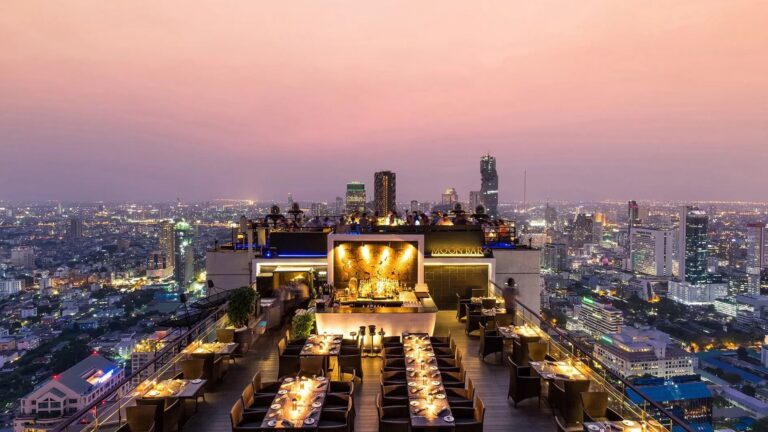
The architectural ascent of the modern hotel has created a new frontier for guest experience, yet it has also introduced a critical point of failure: the vertical transition. As rooftops transform from mechanical afterthoughts into primary revenue engines, the reliance on elevator systems has transitioned from a utility to a strategic vulnerability. The seamlessness of the journey from the lobby to the “fifth facade” often dictates the perceived value of the entire property, yet this transition is frequently plagued by systemic oversights.
In the pursuit of aesthetic grandeur and skyline views, developers and operators often overlook the granular physics of guest flow. An elevator is not merely a transport vehicle; it is a pressurized environment that manages expectations, social friction, and temporal movement. When a hotel activates a high-traffic rooftop bar or pool without recalibrating its vertical infrastructure, it creates a “choke point” that can erode the prestige of the brand faster than any service failure in the guest rooms.
This analysis dissects the logistical and technical errors that occur when the vertical path to the roof is treated as an afterthought. By examining the tension between public access and private guest tranquility, we can establish a rigorous framework for identifying and correcting these errors. The goal is to move beyond surface-level complaints about wait times and into a deeper understanding of how mechanical systems interact with human psychology and operational profitability.
Understanding “common rooftop hotel elevator mistakes”
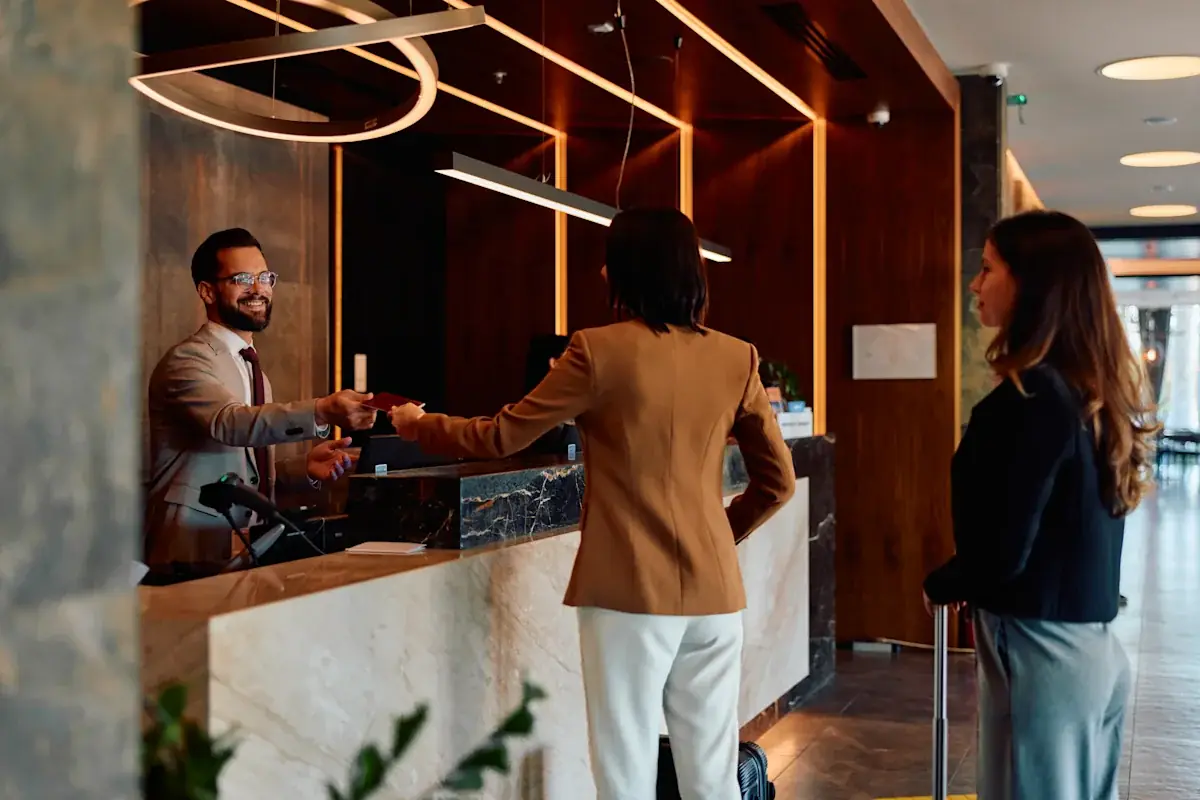
To properly analyze common rooftop hotel elevator mistakes, one must view the elevator as a dynamic component of the hotel’s “circulatory system.” The most frequent error is the “Capacity-Intent Mismatch.” This occurs when a property utilizes the same elevator bank for arriving overnight guests with luggage and for high-volume public visitors headed to a rooftop lounge. These two groups have vastly different temporal needs and spatial footprints, yet they are often forced into the same confined square footage, leading to immediate social friction.
Oversimplification in this sector usually involves focusing solely on the “speed” of the lift. While a fast motor is beneficial, the real failure points are often found in the “dispatch logic”—the software that decides which car goes to which floor. If the system is not programmed to prioritize the rooftop during “Golden Hour” surges, the result is a lobby full of frustrated patrons and a rooftop that is under-utilized despite being at peak demand.
Furthermore, many properties fail to account for the “Vertical Service Gap.” This is the oversight of not having a dedicated service elevator that reaches the roof. When staff must share guest elevators to transport depleted kegs, trash, or fresh linens, it doesn’t just look unprofessional; it mathematically reduces the available passenger capacity of the building. True topical authority in this niche requires looking at these invisible logistical layers that dictate the reality of the guest’s ascent.
The Historical Evolution of Vertical Logistics
Historically, hotel elevators were designed with a “Bottom-Heavy” logic. The lobby, ballrooms, and dining rooms were on the lower floors to facilitate easy access, while guest rooms were stacked above. The roof was reserved for water tanks and HVAC units, requiring only a single, slow-moving service lift for maintenance crews.
The “Rooftop Revolution” of the early 21st century inverted this model. Suddenly, the highest point of the building became its most visited destination. This shift forced older properties to “overclock” their existing elevator banks, leading to increased mechanical wear and a total breakdown of guest privacy. In new constructions, the mistake evolved into “Under-Estimation,” where architects failed to predict the sheer volume of non-resident traffic that a “trending” rooftop bar would attract. This historical context shows that most elevator issues are not accidents of maintenance, but legacies of poor spatial planning.
Conceptual Frameworks for Vertical Flow
To systematically evaluate these vertical systems, we apply three primary mental models.
The Surge-Saturation Model: This framework calculates the “tipping point” where the arrival rate of guests exceeds the “cycle time” of the elevator bank. On a rooftop, this surge usually occurs in a 90-minute window before sunset. Mistakes are made when the system is designed for average occupancy rather than these predictable peaks.
The Public-Private Osmosis Model: This measures the degree to which non-guests (public visitors to the bar) intrude upon the private space of residents. A common mistake is a lack of “floor-locking” technology, where a bar-goer can accidentally (or intentionally) stop on a guest room floor, compromising security and silence.
The Mechanical Fatigue Framework: Elevators in rooftop-heavy hotels travel more miles per day than those in standard office buildings. Mistakes occur when maintenance schedules are based on “years in service” rather than “distance traveled,” leading to unexpected downtime during peak revenue holidays.
Taxonomy of Elevator Failures and Operational Trade-offs
When we compare the various errors in vertical design, they generally fall into several operational categories.
| Error Category | Primary Symptom | Trade-off / Consequence |
| Shared Service/Guest Lifts | Trash/Laundry in guest view. | Reduced capacity; diminished luxury perception. |
| Lack of Express Programming | Excessive stops on intermediate floors. | Increased wait times; guest frustration. |
| Poor Lobby Wayfinding | “Lobby Huddle” around elevators. | Obstruction of front desk operations. |
| Inadequate Ventilation | Overheating in crowded cars. | Physical discomfort during the 60-second ride. |
| Analog Dispatch Logic | Empty cars bypassing busy floors. | Inefficient energy use; high wait times. |
The realistic decision logic for a hotel operator often involves a trade-off between “Guest Privacy” and “Public Revenue.” If the elevators are too restricted, the rooftop bar loses money. If they are too open, the hotel rooms lose value. The “mistake” is failing to find the equilibrium through technology like destination-control systems.
Detailed Real-World Scenarios and Decision Points
In a high-rise New York hotel, the “Friday Night Surge” provides a classic case study. The rooftop lounge is at capacity, and a line has formed in the lobby. The decision point for management is often whether to “key” one elevator for express-only rooftop service.
Failure Mode: By dedicating one car to the roof, guest room floors now have only two cars. A resident trying to reach the 12th floor sees an “Express” car pass them three times while they wait ten minutes.
Second-Order Effect: The guest leaves a negative review about “poor service” despite the rooftop’s success.
Another scenario involves the “Mechanical Lock-out.” During a thunderstorm, a rooftop must be evacuated instantly. If the elevator logic is not programmed for an “Emergency Flush,” 200 people are stuck on a wet roof waiting for cars that are still making routine stops on every floor below.
Planning, Cost, and Resource Dynamics
The financial cost of correcting common rooftop hotel elevator mistakes is significantly higher than the cost of initial planning.
| Investment Factor | Estimated Impact | Variable |
| Destination Control Tech | High | Retrofitting old hardware is expensive. |
| Dedicated Service Lift | Extreme | Requires structural shaft modification. |
| Staffing (Elevator Attendants) | Medium | Ongoing OPEX versus one-time CAPEX. |
| Software Recalibration | Low | Requires a specialist, not a contractor. |
Opportunity cost is the primary driver here. A hotel that loses 5% of its rooftop revenue because people “gave up” on the wait time is losing thousands of dollars a week in high-margin beverage sales.
Tools, Strategies, and Support Systems
To mitigate these vertical issues, modern properties utilize several strategic tools:
-
Destination Dispatch: Screens in the lobby where guests select their floor before entering, allowing the computer to group people together and minimize stops.
-
Elevator Concierges: Human staff who manage the “lobby huddle” and ensure that residents are prioritized over bar-goers.
-
The “Shadow” Service Schedule: Moving heavy linens and trash only during the 3:00 AM to 6:00 AM window to keep all cars available for guests.
-
IoT Monitoring: Sensors that predict motor failure before it happens, preventing “Total Downtime” events.
Risk Landscape and Compounding Failure Modes
The risks of vertical mismanagement are compounding.
-
Safety Risks: Overcrowded lobbies and elevator cars create a fire-safety hazard and increase the likelihood of “stuck car” incidents due to weight-limit triggers.
-
Security Erosion: If rooftop visitors can access guest floors, the hotel’s liability for theft or harassment increases exponentially.
-
Brand Contagion: A bad elevator experience is a “universal” complaint. It is the first and last thing a guest experiences, meaning it colors their entire perception of the stay.
Governance, Maintenance, and Long-Term Adaptation
A resilient hotel implements a “Vertical Governance Policy.” This includes quarterly reviews of wait-time data and “Peak Performance” stress tests. Maintenance should be proactive—replacing door sensors and rollers before they begin to lag. Long-term adaptation involves staying current with software updates for the dispatch system, as algorithm improvements can often solve flow issues without needing to touch the physical hardware.
Common Misconceptions and Oversimplifications
-
“More Cars = Better Flow”: Six cars with bad programming are less efficient than four cars with destination dispatch.
-
“Guests Don’t Mind a Short Wait”: In a luxury context, any wait over 45 seconds is perceived as a service failure.
-
“The Service Lift is a Luxury”: A service lift is a mechanical necessity for the survival of the rooftop’s profit margin.
-
“Elevator Attendants are Outdated”: In high-volume rooftop scenarios, a human attendant can increase car capacity and efficiency by 20% by managing the “fill” of the car.
Synthesis and Editorial Judgment
The mastery of vertical logistics is the invisible backbone of a successful high-altitude property. Common rooftop hotel elevator mistakes are rarely the result of mechanical failure, but rather of a failure in imaginative hospitality—the inability to predict how humans and machines will interact under the pressure of a sunset rush. The definitive hotel is one where the journey to the top is as curated as the destination itself. Silence, speed, and exclusivity are not just features of a lift; they are the primary metrics of a property’s operational health. To ignore the elevator is to ignore the gateway to the hotel’s most valuable asset.