Common Rooftop Hotel Mistakes: A Definitive Guide to Design & Operations
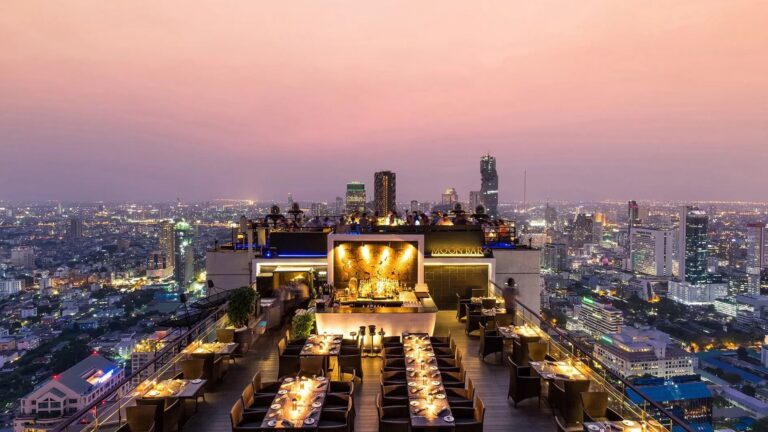
The modern skyline has become a competitive theater for hospitality brands, where the rooftop is no longer a utilitarian mechanical zone but a primary revenue engine. This vertical expansion, while lucrative, introduces a set of complexities that ground-level operations rarely encounter. The transition from a “roof” to a “rooftop venue” involves a fundamental shift in building physics, guest psychology, and legal liability. When these layers are not harmonized, the result is often a series of systemic failures that compromise both the guest experience and the building’s long-term integrity.
Designing an elevated hospitality space requires a nuanced understanding of the “Summit Premium”—the increased cost and risk associated with height. The most significant errors in this domain are rarely isolated incidents; they are usually the result of a disconnect between the architectural vision and the practicalities of high-altitude maintenance. Whether it is a failure to account for wind-tunnel effects or an underestimation of the logistical friction of vertical transport, these oversights can turn a flagship asset into a financial drain.
This exploration aims to dissect the structural, financial, and behavioral errors that define the current landscape of elevated hospitality. By moving beyond surface-level critiques, we examine the second-order effects of design choices that seem logical on paper but fail under the environmental and social pressures of a functioning hotel. For the developer, operator, or discerning traveler, understanding these friction points is the first step toward achieving operational excellence at the summit.
Understanding “common rooftop hotel mistakes”
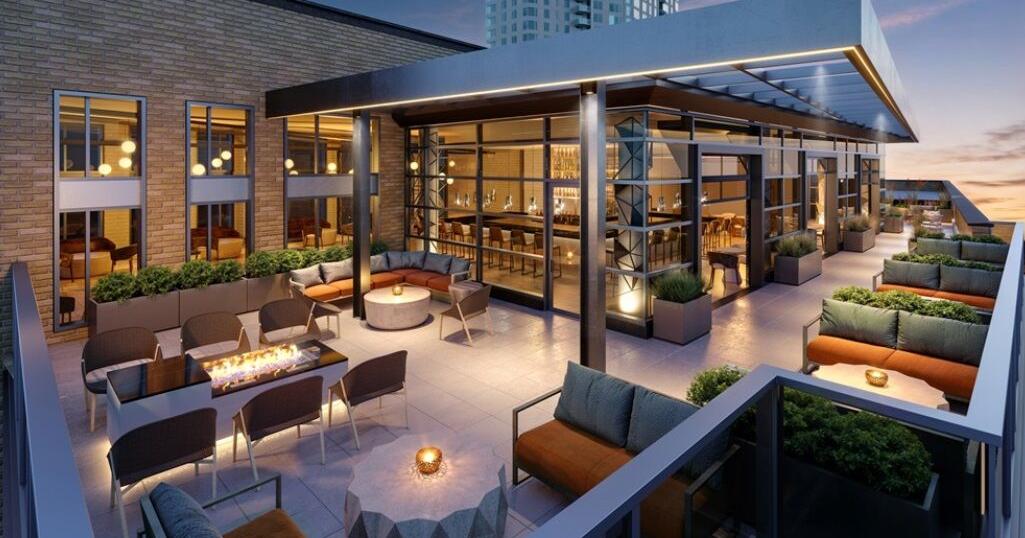
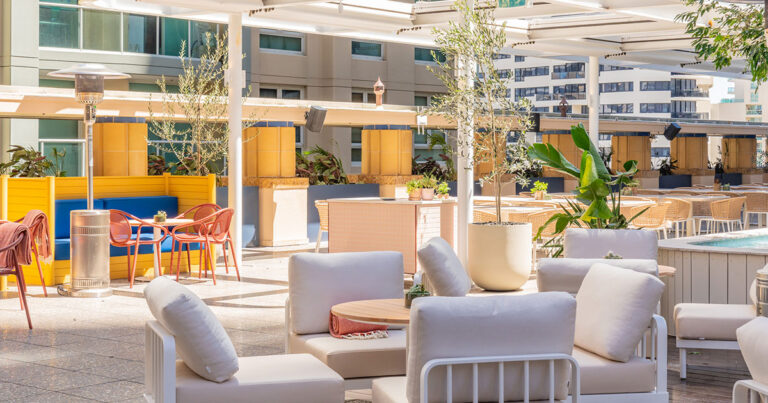
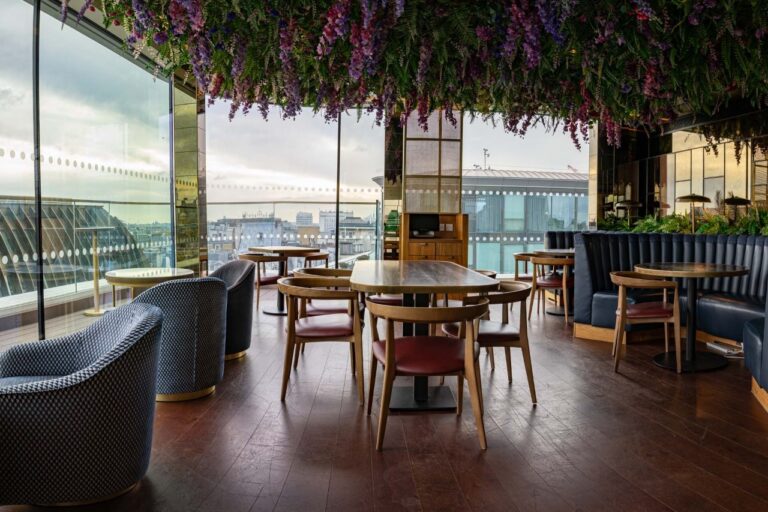
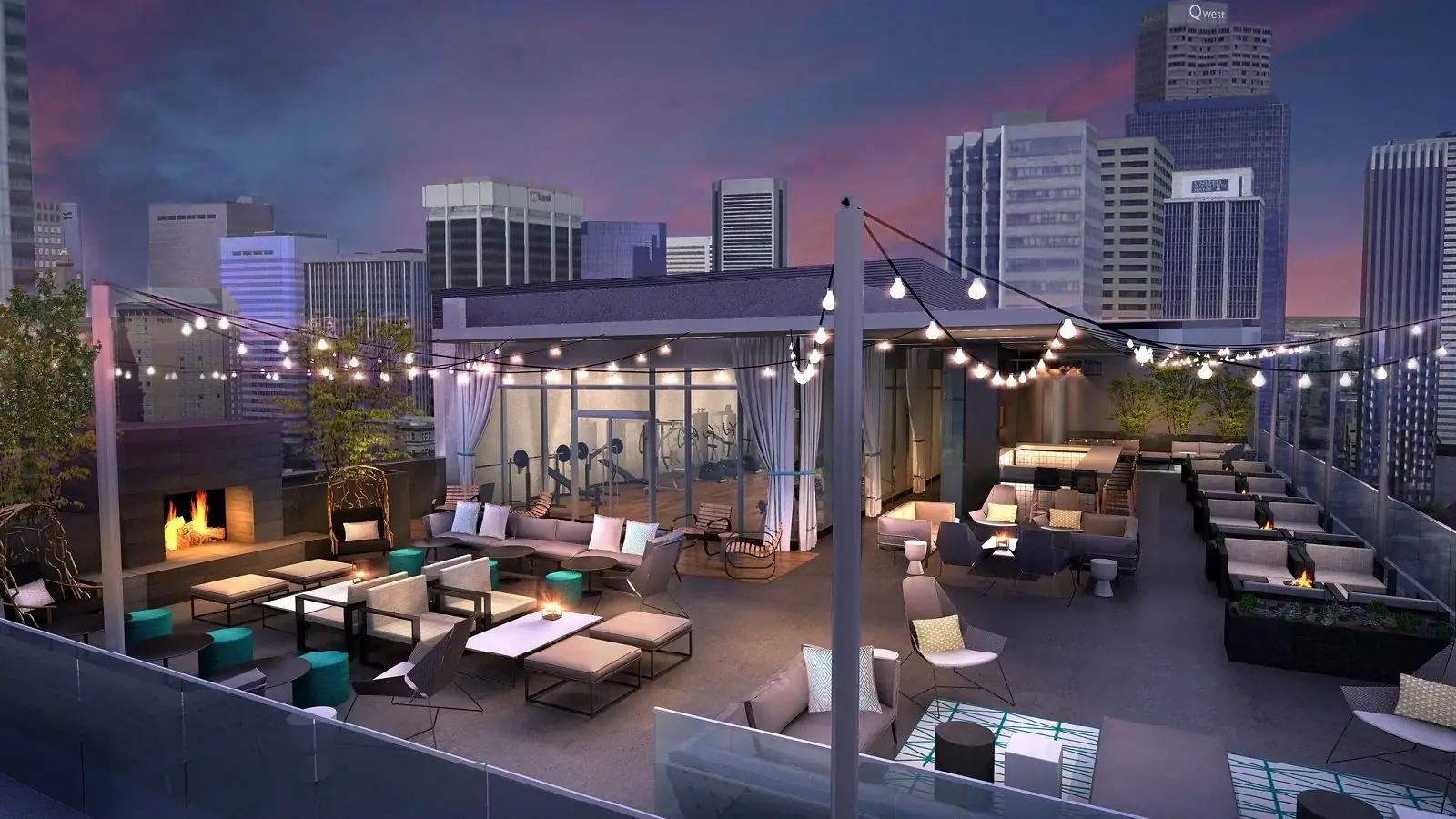
To define common rooftop hotel mistakes, one must look beyond the obvious. A “mistake” in this high-stakes environment is often an optimized solution for the wrong problem. For instance, selecting the most aesthetic furniture for a 40th-floor terrace is a success in interior design, but it is a catastrophic failure in risk management if that furniture has a high “uplift coefficient” in high winds. The core misunderstanding lies in treating the rooftop as an outdoor lobby; in reality, it is a semi-exposed industrial zone that happens to serve cocktails.
A prevalent oversimplification is the belief that “more views equal more value.” While the vista is the product, the infrastructure required to support it—acoustics, windbreaks, and sun protection—often obscures that very view. The mistake is found in the failure to balance these competing interests. Furthermore, many operators ignore the “Vertical Friction” factor: the hidden costs of moving every lemon, every keg, and every trash bag through a limited elevator shaft shared with guests or housekeeping.
True failure at the summit is often invisible. It is the slow degradation of a waterproofing membrane caused by the vibration of a pool pump that wasn’t isolated from the structural slab. It is the social friction caused by a bar that is so popular it creates a bottleneck in the lobby, ruining the experience for guests who paid a premium for a quiet check-in. To avoid these errors, a holistic view of the building as a vertical ecosystem is required.
Deep Contextual Background: The Evolution of High-Altitude Risks
Historically, hotel roofs were the exclusive domain of cooling towers, water tanks, and elevator overruns. The “rooftop” was an industrial necessity, not an amenity. The shift began in mid-century urban centers but accelerated dramatically in the last two decades as urban density increased. As city-level views were blocked by neighboring skyscrapers, the “race to the top” became a matter of survival for luxury brands.
This evolution shifted the burden of risk from mechanical engineers to hospitality operators. Suddenly, spaces that were designed for occasional maintenance access were being subjected to the foot traffic of thousands of people. The structural skeletons of older buildings often struggled to accommodate the “Live Load” of a swimming pool or a fully stocked bar. This historical context is vital: many common rooftop hotel mistakes stem from trying to force modern hospitality demands onto architectural structures that were never intended to support them.
The transition also coincided with more volatile weather patterns. Modern rooftops must contend with higher wind speeds and more intense solar radiation than their predecessors. The materials that sufficed for a 1960s observation deck—concrete and simple iron railings—are no longer adequate for a high-luxury environment that requires high-performance glass, UV-resistant fabrics, and sophisticated drainage systems.
Conceptual Frameworks and Mental Models for Rooftop Resilience
To navigate the complexities of rooftop management, it is helpful to apply specific mental models that prioritize long-term asset health over immediate aesthetic gains.
1. The “Kinetic Ceiling” Model
Every object on a rooftop exists under a “kinetic ceiling”—a threshold where wind speed turns a static object into a projectile. Mistakes occur when designers treat the roof as a zero-gravity environment. The avoidance of risk involves calculating the “sail area” of every umbrella, chair, and planter and ensuring they are either tethered or weighted beyond the peak gust speed of the local micro-climate.
2. The “Mechanical/Social Divide”
A rooftop must function as two buildings simultaneously: a high-end social club and a heavy-duty mechanical plant. The failure to acoustically and vibrationally decouple these two functions is a hallmark of poor design. If a guest in the penthouse can hear the “thump” of the bass from the bar or the “hum” of the chiller units, the premium value of the room is destroyed.
3. The “Service Flux” Framework
This model measures the time and energy required to transport goods to the summit. Operators often fail to realize that a rooftop bar requires three times the labor of a ground-floor bar simply because of the transit time. Reducing this “flux” involves decentralized storage and dedicated vertical transport lines—features often omitted in budget-conscious designs.
Key Categories of Failure and Strategic Trade-offs
The landscape of rooftop errors can be categorized by the primary system they compromise. Each decision often involves a trade-off between upfront capital expenditure (CapEx) and long-term operational expenditure (OpEx).
| Error Category | Specific Mistake | Long-term Consequence | Optimized Trade-off |
| Structural | Ignoring “Point Loads” from planters | Slab deflection and leaks | Using lightweight “honeycomb” fillers |
| Environmental | Inadequate wind shielding | Space is unusable 30% of the year | Retractable, high-impact glass walls |
| Logistical | Shared guest/service elevators | Guest frustration/slow service | Dedicated service “lift” or dumbwaiter |
| Thermal | Using heat-absorbing dark pavers | “Heat Island” effect; high cooling costs | High-albedo, reflective “cool” materials |
| Acoustic | Direct-mounting speakers to walls | Noise complaints from floors below | Spring-isolated, directional audio |
Decision Logic: The Weight vs. Utility Pivot
A recurring mistake is the installation of heavy stone or concrete features to create a “permanent” feel. However, the structural reinforcement required for these materials often eats into the budget for superior waterproofing or wind mitigation. The “Optimized Path” usually involves paying more for high-tech, lightweight composites that mimic the look of stone but reduce the structural strain on the building’s skeleton.
Detailed Real-World Scenarios: From Wind Shear to Weight Loads
Scenario 1: The “Umbrella Projectile”
A boutique hotel in a high-rise corridor installs standard market umbrellas to provide shade. During a localized “micro-burst” storm, three umbrellas are uplifted. One breaks through a glass railing, and another falls to the street below.
-
The Error: Failing to use wind-rated, permanent shade structures or automated sensors that retract umbrellas at a specific wind speed.
-
The Second-Order Effect: Massive insurance premium hikes and a temporary closure of the street, leading to a public relations crisis.
Scenario 2: The “Drainage Deadlock”
A luxury hotel installs a lush, intensive green roof garden. To save costs, they use a standard drainage mat rather than a high-capacity, multi-layered system designed for organic debris.
-
The Error: Underestimating the “sludge” created by decomposing plants.
-
The Failure Mode: During a heavy rain, the drains clog, and water backs up under the pavers, eventually breaching the membrane and flooding the three floors below.
Scenario 3: The “Acoustic Leak”
A rooftop lounge features a world-class sound system. To ensure the “vibe,” subwoofers are placed directly on the porcelain tile.
-
The Error: Structural vibration transmission.
-
The Outcome: The low-frequency sound travels through the concrete slab into the bedrooms of the hotel’s highest-paying guests, resulting in nightly refund requests and poor reviews.
Planning, Cost, and Resource Dynamics
The variability of rooftop projects is driven by the “Height Tax”—the reality that everything costs more the higher it goes. Laborers work slower at height due to safety protocols; cranes are expensive to rent; and weather delays are more frequent.
| Resource/Cost Driver | Ground Level Est. | Rooftop Est. | Delta |
| Waterproofing (per sq ft) | $15 | $45 – $60 | 300% |
| Labor Productivity | 100% | 70% | -30% |
| Material Transport | Standard | Crane/Service Lift | High |
| Maintenance Cycle | 5-7 Years | 2-3 Years | 2x Frequency |
Opportunity Cost of Design Oversights
The greatest cost is not the repair, but the “Loss of Inventory.” If a rooftop pool leaks, the hotel doesn’t just lose the pool; they lose the revenue from the rooms below it and the reputation of the brand. Reducing common rooftop hotel mistakes is, therefore, a strategy for protecting the hotel’s primary revenue streams.
Tools, Strategies, and Support Systems for Risk Mitigation
To maintain a high-performance rooftop, operators must leverage specialized tools that bridge the gap between hospitality and engineering.
-
Sonic Anemometers: Real-time wind speed sensors that can be programmed to automatically trigger shutters, retract awnings, or notify staff to secure loose items.
-
Pedestal Paver Systems: These allow for a perfectly level guest surface while hiding the sloped waterproofing and drainage systems below. They also provide easy “modular” access for repairs without destroying the whole floor.
-
Electronic Leak Detection (ELD): An integrated wire mesh beneath the membrane that uses electrical current to pinpoint a leak within inches, preventing the “needle in a haystack” search for a puncture.
-
Directional Sound Arrays: Speakers that use phase-cancellation to keep music within the venue boundaries, preventing “noise spill” into the surrounding neighborhood or the rooms below.
-
Lightweight “Intensive” Substrates: Engineered soils that provide the nutrients for a garden at 40% of the weight of natural topsoil.
The Risk Landscape: Compounding Failure Modes
The most dangerous aspect of rooftop management is “Compounding Risks.” A mistake in drainage is manageable until it combines with a mistake in structural load-bearing.
The Taxonomy of Risk:
-
Environmental Risk: UV degradation of fabrics, salt-air corrosion in coastal cities, and “Wind Uplift.”
-
Occupational Risk: Staff fatigue from vertical transit and the safety of working at the edge.
-
Regulatory Risk: Failure to meet evolving fire codes, especially regarding “Occupant Load” and egress paths from a high-altitude space.
A major failure mode is the “Retractable Trap.” Operators install retractable roofs to maximize year-round revenue, but they often fail to maintain the tracks or motors. When a sudden storm hits, the roof jams, the interior is ruined, and the guest experience is shattered.
Governance, Maintenance, and Long-Term Adaptation
Effective governance of a rooftop asset requires a shift from “reactive” to “predictive” maintenance. Because the environment is so aggressive, a standard hotel maintenance schedule is insufficient.
The Layered Maintenance Checklist
-
Daily: Check wind forecasts and secure “loose-laid” assets; inspect drain covers for debris (leaves, cigarette butts).
-
Monthly: Test all motorized screens and awnings; check glass railings for “hardware tension” (wind vibration can loosen bolts over time).
-
Bi-Annually: Professional inspection of the waterproofing seams; calibration of the “leak detection” sensors.
-
Annually: Structural “load audit” to ensure that the cumulative weight of furniture and planters hasn’t caused “slab creep.”
Measurement, Tracking, and Evaluation of Asset Health
How does an operator know if they are avoiding common rooftop hotel mistakes? They must track a mix of qualitative and quantitative signals.
Leading Indicators (Predictive):
-
Mean Time Between Failure (MTBF): How often do motorized elements jam?
-
Utility Deviations: Sudden spikes in water bills often signal an invisible leak in the irrigation or pool system.
-
Noise Complaint Ratios: Tracking complaints by room number to identify “acoustic leaks.”
Lagging Indicators (Historical):
-
Membrane Lifespan: Did the roof last the projected 20 years, or did it fail at year 8?
-
Replacement Costs: The total spend on furniture and fabrics due to UV and wind damage.
Documentation Examples
-
The “Wind Log”: Recording every instance where the roof was cleared due to wind to justify a CapEx spend on permanent windbreaks.
-
The “Slab Map”: A digital twin or map showing exactly where every heavy planter is located to prevent “load clusters.”
Common Misconceptions and Oversimplifications
-
Myth: “Standard outdoor furniture is fine for a roof.”
-
Correction: Outdoor furniture is designed for patios, not 30-story elevation. UV rays are 10-15% stronger at height, and wind speeds can be triple the street level.
-
-
Myth: “Artificial turf is maintenance-free.”
-
Correction: In high-heat environments, artificial turf can reach temperatures of 160°F, requiring “cooling rinses.” It also traps bacteria and odors more than natural greenery if not properly sanitized.
-
-
Myth: “The parapet wall is enough for safety.”
-
Correction: Guests, especially those under the influence of alcohol, will sit or stand on parapet walls. Secondary “canted” glass barriers are almost always necessary for true liability protection.
-
Ethical and Practical Considerations in Elevated Design
There is an ethical dimension to rooftop development, particularly regarding “Light Pollution” and “Shadowing.” A massive, brightly lit rooftop can disrupt the local ecosystem and the quality of life for neighboring residents. Furthermore, the “Exclusivity Trap”—where rooftops are only available to high-paying guests—can alienate the local community.
Practically, the most ethical choice is often “Sustainability.” A rooftop that uses passive cooling, rainwater harvesting, and local, drought-resistant plants is not just “green”; it is an asset that is less likely to suffer from the common rooftop hotel mistakes associated with high energy and water consumption.
Conclusion: Synthesis and Strategic Judgment
The journey to a successful rooftop asset is paved with the lessons of those who underestimated the power of gravity and the elements. Avoiding common rooftop hotel mistakes is not about a single perfect decision; it is about the “Cumulative Accuracy” of a thousand small choices. It requires a developer who is willing to spend more on invisible infrastructure and an operator who understands that the roof is a dynamic, high-wear environment.
Ultimately, the most successful rooftops are those that respect the “Vertical Boundary.” They are spaces where the architecture protects the guests, the logistics empower the staff, and the structural design preserves the building. In the race to the top, the winner is not the one with the highest floor, but the one who builds with the most resilience. By prioritizing structural integrity, environmental intelligence, and logistical flow, a hotel can ensure that its view from the top remains as clear as its bottom line.